What is Yoga Studio Management Software?
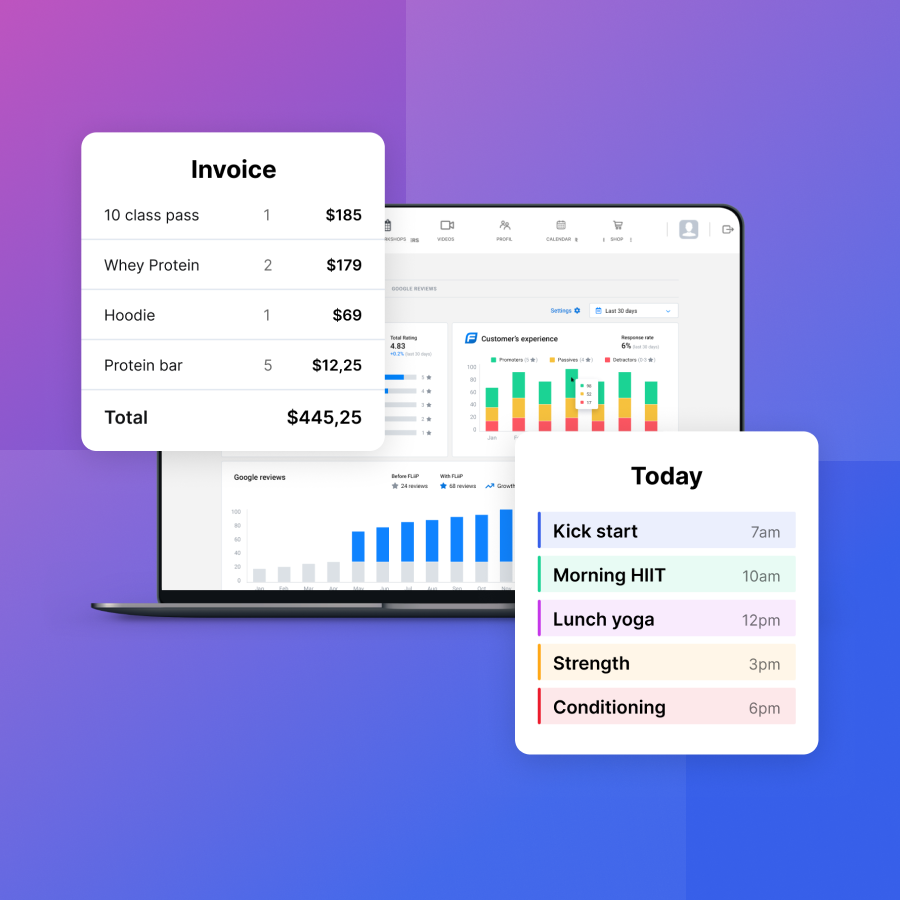
Yoga studio management software is a digital tool designed to streamline the daily operations of a yoga studio. This type of software helps studio owners and managers handle various tasks such as class scheduling, client booking, payment processing, membership management, and staff coordination. By automating these processes, the software reduces the administrative burden, allowing studio owners to focus more on teaching and improving client experience.
In addition to core functions, many yoga studio management platforms offer features like attendance tracking, customer relationship management (CRM), marketing tools, and even mobile apps for clients to easily book classes and manage memberships. It simplifies both backend operations and client interactions, making it easier to grow and maintain a successful studio.
For studios looking to scale or simply stay organized, using a dedicated software solution can significantly improve efficiency and overall client satisfaction.
What Does a Yoga Studio Management Software Do?
Yoga studio management software automates and simplifies the day-to-day operations of a yoga studio. Its primary functions include:
Class Scheduling
It allows studio owners to create, update, and manage class schedules. Clients can view available classes, sign up, or cancel bookings easily, either through a mobile app or the studio's website.
Client Booking and Registration
The software enables seamless online registration, allowing clients to book their spot in a class. It often includes waitlist management, ensuring clients are notified if a spot opens up.
Payment Processing
The software integrates with payment gateways to process payments for classes, memberships, and workshops. Recurring billing for memberships and automatic payment reminders are common features.
Membership Management
Managing various membership tiers, packages, and promotions becomes easy. The software tracks membership status, renewal dates, and allows members to manage their accounts online.
Attendance Tracking
Studio owners can track which clients attend which classes, helping to monitor participation and track popular sessions. Some platforms also allow for digital check-ins, making the process faster.
Staff Scheduling
It allows studio owners to manage staff schedules, track hours worked, and assign specific instructors to classes.
Marketing and Communication Tools
Many platforms include email marketing features, allowing studio owners to send promotions, newsletters, and automated reminders to clients. SMS notifications for booking confirmations and updates are also commonly available.
Client Relationship Management (CRM)
The software helps track client preferences, history, and interactions with the studio. This information allows studios to provide personalized offers, rewards, or recommendations to improve client retention.
Reporting and Analytics
Detailed reports on revenue, class attendance, and client demographics help studio owners make informed business decisions. It provides insights into what's working and areas that may need improvement.
Overall, yoga studio management software reduces administrative tasks, improves client experience, and helps the studio operate more efficiently.
What Doesn't a Yoga Studio Management Software Do?
While yoga studio management software offers many features to streamline operations, there are several things it doesn't do:
1. Marketing & Customer Acquisition
- Directly attracting new clients: The software usually provides tools for email marketing and basic social media integrations, but it doesn't handle complex marketing campaigns, ad creation, or targeting specific demographics.
- Managing social media accounts: It might offer basic social media integrations, but it won't actively manage your social media presence, create content, or engage with your audience.
- Generating leads: While it can track client data, it doesn't actively generate new leads through targeted marketing efforts.
Learn More: Marketing Strategies for Studio Owners
2. Financial Management & Accounting
- Deep financial analysis: The software may offer basic financial reports, but it won't provide in-depth financial analysis, budgeting tools, or complex forecasting models.
- Tax preparation: While it might track income and expenses, it doesn't handle tax preparation or filing.
- Managing payroll: It might track employee hours, but it won't handle payroll calculations, tax withholdings, or direct deposit.
3. Legal & Compliance
- Handling legal contracts: The software might have templates for contracts, but it won't handle the legal aspects of drafting, negotiating, or reviewing contracts.
- Ensuring compliance with regulations: It might offer some basic compliance tools, but it won't provide legal advice or ensure full compliance with all relevant laws and regulations.
4. Operational & Logistics
- Managing inventory: It may offer tools for tracking supplies, but it won't handle inventory management, purchasing, or order fulfillment.
- Scheduling and managing instructors: While it offers class scheduling, it doesn't handle the complex aspects of instructor management, such as training, development, and performance evaluations.
- Handling customer service inquiries: It might provide a communication platform, but it won't handle customer service requests, respond to inquiries, or resolve complaints.
5. Personal Tasks & Creativity
- Developing new classes: It may help schedule classes, but it doesn't create new class formats, sequences, or themes.
- Building a brand and establishing your studio's unique identity: The software provides tools for managing your studio, but it doesn't help define your studio's mission, values, and personality.
- Creating engaging content for your website and social media: It offers basic communication tools, but it won't generate blog posts, social media updates, or engaging video content.
Remember: Yoga studio management software is a powerful tool, but it's important to understand its limitations and what it doesn't do. You may need to use additional resources, tools, and services to address these areas of your business.
Is Yoga Studio Management Software a Good Investment?
Yes, a yoga studio management software can be a great investment for a gym or fitness studio, especially if the business offers group classes or membership-based services. Here's why:
Streamlines Operations
Yoga studio management software automates administrative tasks, such as class scheduling, client bookings, and payment processing. This reduces the time spent on manual operations, freeing up staff to focus on client interaction and improving the overall experience.
Enhances Client Experience
Offering clients the convenience of online booking, mobile apps, and automated reminders enhances their experience. A seamless booking and payment process makes it easier for clients to engage with your studio, increasing retention and satisfaction.
Improves Staff Management
For gyms with multiple instructors or staff members, the software simplifies staff scheduling, tracking work hours, and assigning classes. This ensures that employees are always informed and minimizes scheduling conflicts.
Boosts Member Retention
Many platforms include built-in tools for managing memberships, sending promotional offers, and tracking client preferences. These features help gyms and studios engage with clients more effectively, keeping them active and loyal.
Provides Business Insights
Detailed reports and analytics help gym owners make data-driven decisions. Insights into class attendance, membership trends, and revenue streams allow for better planning and identification of growth opportunities.
Cost-Efficiency
Although it requires an initial investment, the time saved by automating routine tasks and the potential for increased member retention often lead to a positive return on investment. This is especially valuable for growing gyms or studios looking to scale their operations.
Learn More: How to Reduce Gym Costs Without Sacrificing Quality
Supports Marketing Efforts
The marketing features included in yoga studio management software, such as email marketing, promotional campaigns, and client segmentation, enable gym owners to run targeted marketing efforts more efficiently, leading to higher engagement and conversions.
Overall, yoga studio management software can be a valuable investment for a gym or fitness studio. It can help you improve efficiency, boost revenue, and enhance the customer experience.
Before making a decision, weigh the pros and cons carefully and choose a software platform that meets your specific needs and budget.
When Buying Yoga Studio Management Software, What Features Should You Look For?
Scheduling & Class Management
- Online booking & class scheduling: Easy for students to browse, sign up, and pay for classes.
- Waitlist management: Efficiently manage waitlists, auto-enroll students when spots open.
- Multiple class formats: Support different yoga styles, durations, and intensity levels.
- Staff scheduling: Manage instructor schedules, assign classes, and track availability.
- Class capacity & room allocation: Limit class sizes, allocate rooms efficiently.
- Automated reminders & notifications: Send class reminders and cancellations to students.
Student & Membership Management
- Student database: Store student details, contact info, and purchase history.
- Membership management: Offer various membership options with flexible pricing.
- Auto-renewal & payment processing: Set up automatic payment collection for memberships.
- Gift certificate management: Sell and track gift certificates for classes and memberships.
- Student communication: Send personalized emails, SMS messages, and newsletters.
Financial & Reporting
- Financial tracking: Track income, expenses, and profitability.
- Sales & revenue reports: Analyze sales data, membership trends, and class popularity.
- Inventory management: Manage equipment, supplies, and inventory levels.
- Tax reporting: Integrate with accounting software for streamlined tax reporting.
Additional Features
- Marketing & promotions: Create and manage promotions, email campaigns, and social media integrations.
- POS system: Manage point-of-sale transactions for studio merchandise and services.
- Mobile app: Offer students access to bookings, schedules, and account details on the go.
- Integrations: Integrate with other tools like payment gateways, marketing platforms, and calendars.
- Customer support: Ensure reliable customer support and training resources for your team.
Factors to Consider When Choosing
- Cost: Compare pricing models (subscription, pay-per-use) and features included.
- Ease of use: Choose software that is user-friendly for both you and your students.
- Scalability: Consider your studio's growth potential and ensure the software can accommodate it.
- Customization: Look for options to personalize your branding and customize features.
- Reviews & testimonials: Check online reviews and ask for recommendations from other studios.
By evaluating these features and considerations, you can choose a yoga studio management software that meets your needs and helps you run your studio effectively.
Can I Use Yoga Studio Management Software If I Have a Small Studio?
Yes, yoga studio management software can be highly beneficial, even for small yoga studios. While it may seem like these platforms are designed for larger businesses, small studios can gain significant advantages by using them. Here's why:
Time-Saving Automation
Managing day-to-day tasks like scheduling, client booking, and payment collection manually can be overwhelming, even for a small studio. The software automates these processes, freeing up your time to focus on teaching and client engagement rather than administrative tasks.
Professional Client Experience
Even if your studio is small, offering clients a professional experience, like online booking, payment processing, and automated reminders, enhances their satisfaction. It shows that your studio is organized and provides the same level of convenience as larger studios, which helps improve client retention.
Easy Membership and Class Management
Whether you have a few clients or many, tracking memberships, class packages, and attendance can quickly become a burden without a system in place. Yoga studio management software helps you manage memberships and class attendance easily, preventing errors and keeping things running smoothly.
Cost-Effective Growth
Many software platforms offer tiered pricing or flexible plans, making it affordable for smaller studios. As your studio grows, the software can scale with you, allowing you to add more clients, staff, or services without significant additional cost.
Marketing and Retention Tools
Even small studios need to engage clients and promote their services. Many yoga studio management platforms include marketing tools such as automated emails, promotions, and client relationship management (CRM) features. These tools can help you build a loyal client base without the need for expensive marketing efforts.
Insights to Improve Efficiency
The reporting and analytics tools available in these platforms can give small studio owners valuable insights into client behavior, class popularity, and revenue trends. This helps you make data-driven decisions, even if your studio is still growing, ensuring you focus on what’s working.
Mobile Convenience
Small studios can benefit from offering clients the convenience of mobile apps for bookings and payments. This reduces the need for manual bookings and improves the client experience, making it easy for them to engage with your studio at any time.
In short, even if you have a small yoga studio, using management software can streamline your operations, improve client satisfaction, and support your growth without overwhelming your budget.
Can Yoga Studio Software Help Me Launch a Mobile App?
Yes, many yoga studio management software platforms can help you launch a mobile app tailored to your studio’s needs. These apps enhance the client experience by making it easy to book classes, manage memberships, and interact with your studio from their smartphones. Here’s how the software can assist:
Branded Mobile App
Some software providers offer a branded mobile app as part of their package, allowing your clients to download an app specifically designed for your studio. This app typically displays your logo, colors, and branding, providing a professional and seamless user experience.
Client Booking and Payment
The mobile app allows clients to book classes, join waitlists, and cancel bookings on the go. It also supports secure payment processing, making it easy for clients to purchase memberships, class packages, or drop-in sessions through the app.
Push Notifications and Reminders
The app can send push notifications to remind clients of upcoming classes, expiring memberships, or special promotions. These automated notifications improve client engagement and reduce no-shows.
Membership Management
Clients can easily manage their memberships through the app, including renewing packages, upgrading plans, or tracking how many classes they have left. This convenience improves the overall user experience and makes managing memberships hassle-free.
Staff Management and Communication
Some apps also provide tools for staff, allowing instructors to view their schedules, check class rosters, and communicate with clients or studio management from their phones.
Enhances Client Engagement
A mobile app increases your touchpoints with clients, making it more likely that they will stay connected with your studio. With easy access to your services, clients are more likely to book classes and remain engaged with your offerings.
No Technical Expertise Needed
You don’t need coding or app development skills to launch a mobile app. Most yoga studio software providers handle the technical side, allowing you to focus on growing your business. They typically offer customization options so you can personalize the app to fit your studio’s unique brand.
Ready to Launch Your Branded App? At FLiiP, we can help you launch a fully-branded mobile app that enhances client engagement and streamline operations. Let us handle the tech while you focus on what matters most, your clients and your classes. Book a free demo!
What is the Cost of a Yoga Studio Management Software?
The cost of yoga studio management software can vary widely depending on the features, size of your studio, and the provider. Here’s a breakdown of the potential costs:
Monthly Subscription Fees
Most yoga studio management software platforms operate on a subscription-based model, charging a monthly fee. These fees can range from:
- $50 to $100/month for basic plans suited for small studios with limited features (like class scheduling and simple payment processing).
- $100 to $200+/month for mid-tier plans offering more advanced tools such as marketing automation, client relationship management (CRM), and membership management.
- $300+/month for premium plans designed for larger studios or those that require additional functionality like custom branded apps, advanced reporting, and integration with third-party systems.
Per-User or Per-Location Fees
Some platforms charge based on the number of users or locations. This means if your studio expands with more instructors or you open new locations, the price might increase accordingly. For instance:
- $10 to $30 per additional user (for adding staff or instructors).
- $50 to $100 per additional location if you run a multi-location yoga studio.
Setup or Onboarding Fees
Some software providers charge a one-time setup or onboarding fee, especially for more customized systems. This can range from $100 to $1,000+ depending on how much customization and training is required for your specific needs.
Additional Features or Add-Ons
There are often additional costs for premium features or add-ons, such as:
- Branded mobile apps can range from $50 to $150/month extra, or might be included in the plan, depending on the provider.
- Advanced marketing tools, email automation, or integrations with accounting software may come at an additional cost of $20 to $100/month.
Payment Processing Fees
If the software includes payment processing, transaction fees usually apply. These fees typically range from 2% to 3% per transaction, depending on the payment gateway used. Some platforms also offer discounted rates for higher volumes of transactions.
Free and Trial Versions
Many yoga studio software providers offer free versions with limited features, often best suited for very small studios or those just starting out. Free trials are also common, giving you a chance to test the software before committing to a paid plan.
Choosing the Right Pricing Plan
When choosing a plan, consider the size of your studio, your current needs, and potential future growth. It’s also important to factor in the return on investment (ROI) the software can provide by improving operational efficiency, client retention, and revenue growth.
For smaller studios, starting with a more affordable option that covers the basics, like class scheduling and payments, may be enough. As your studio grows, you can upgrade to more comprehensive plans that offer advanced features to help scale your business.
Let Us Do the Heavy Lifting for You!
Gym owners rave about us! With an average rating of 4.8 stars from over 80 gym owners in the US and Canada, we’ve earned the title of #1 Gym Management Software.
Book a call with us to help you understand:
- Features and Benefits: Let us show you how FLiiP’s features can simplify your day-to-day tasks, reduce chaos, and make managing your gym easier than ever.
- Why Choose FLiiP Over Other Platforms: Discover the unique advantages that set FLiiP apart from other yoga studio management software and why it could be the perfect fit for your fitness business.
Best Practices for Gym Owners: We connect with hundreds of gym owners every month, offering fresh insights and proven strategies to help you optimize your operations and take your gym to the next level.
Conclusion
Investing in yoga studio management software is a smart move for studios of all sizes. It simplifies day-to-day operations, enhances client experience, and provides valuable tools to grow your business efficiently. While the cost can vary depending on the features and size of your studio, the return on investment is often seen in saved time, improved organization, and increased client retention. Whether you're running a small boutique studio or managing multiple locations, choosing the right software can help streamline operations and support future growth. Consider your studio’s needs, evaluate available features, and select a platform that fits your budget and long-term goals.