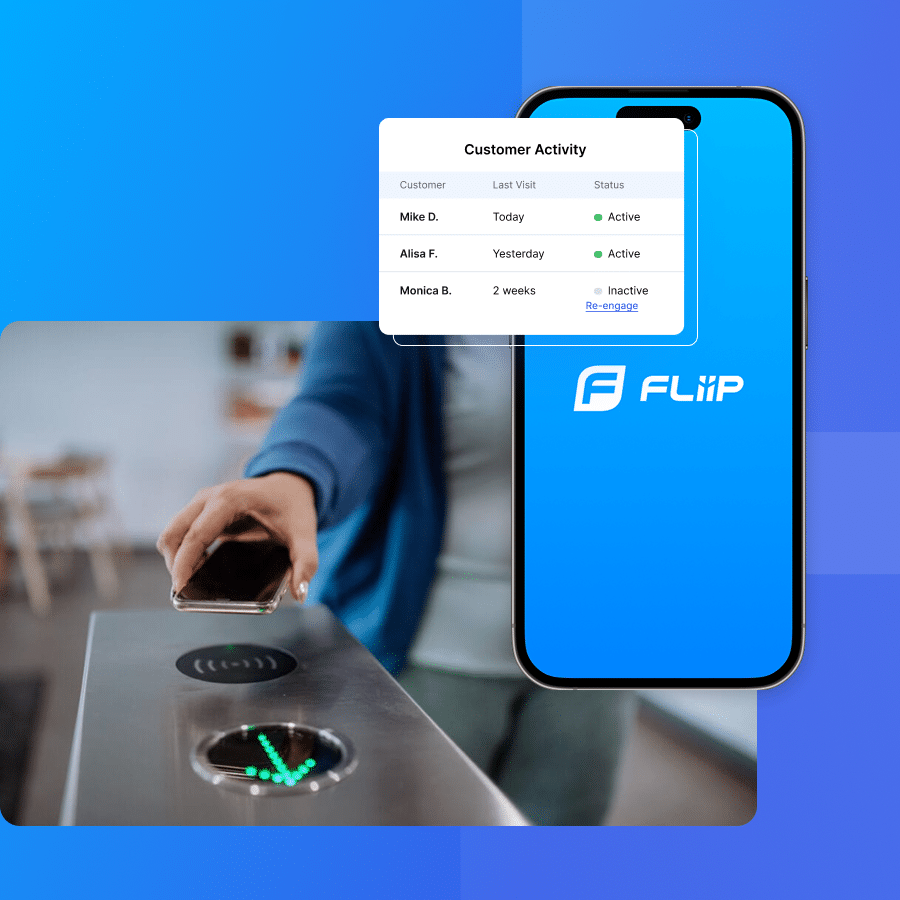
What is Gym Scheduling Software?
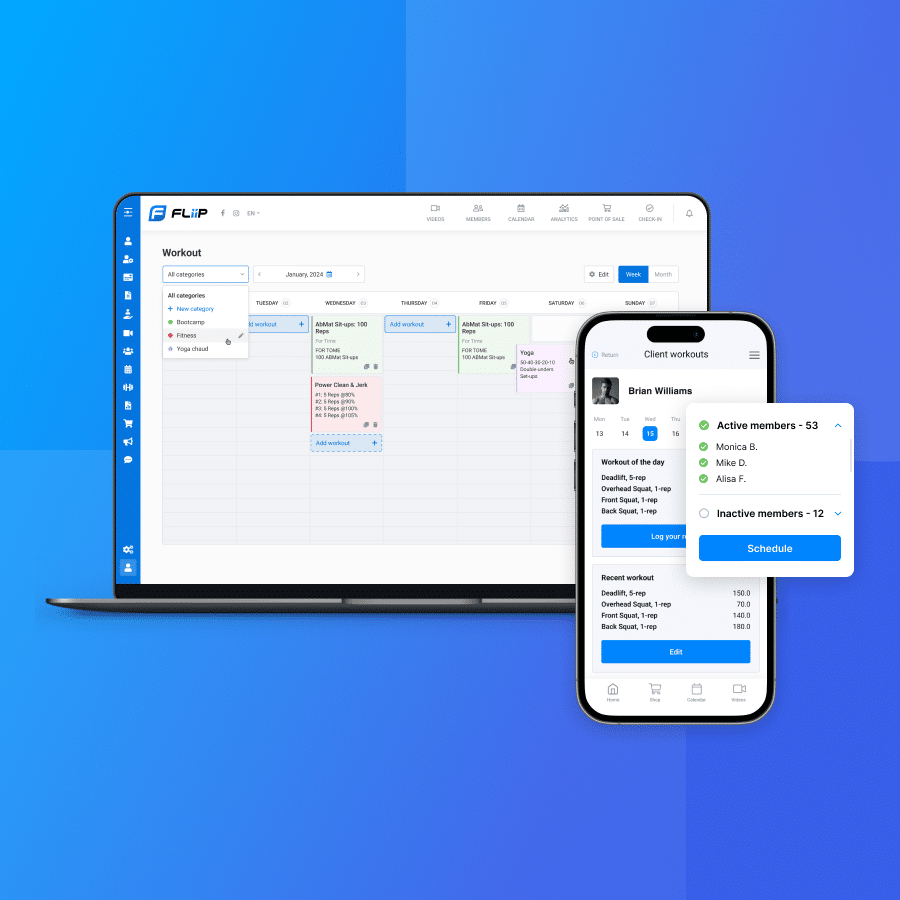
Managing schedules, bookings, and member engagement can be a major challenge for gyms. Overbooked classes, missed payments, and manual scheduling are all headaches that waste valuable time and resources. Gym scheduling software is designed to tackle these issues head-on, helping gym owners automate class management, improve member experiences, and grow their businesses with ease.
Gym scheduling software does more than just manage class times, it integrates booking systems, payment processing, and member management all into one platform. This software automates repetitive tasks like reminders for class sign-ups and membership renewals while providing real-time updates on attendance and availability.
Whether you’re a small boutique studio or a large fitness center, having efficient scheduling tools is crucial. This software not only helps streamline your daily operations but also supports scalable growth, keeps your members engaged, and provides data insights that allow you to make informed decisions.
Key functionalities typically include:
- Class Scheduling: Enables members to view available classes, book spots, and join waitlists with real-time updates.
- Member Booking System: Allows members to book or cancel classes online, reducing no-shows and improving attendance.
- Staff Scheduling: Coordinates staff schedules to ensure proper coverage for classes and services.
- Automated Notifications: Sends reminders to members about upcoming classes, payments, or any schedule changes.
- Payment Integration: Automates membership fees and payments for classes, reducing the administrative burden.
- Reporting and Analytics: Tracks attendance, class performance, and other important metrics to help gym owners optimize their offerings.
By centralizing all these features, gym scheduling software makes it easier to manage your gym's day-to-day activities and frees up time to focus on what really matters, growing your business and providing a top-notch experience for your members.
What Does Gym Scheduling Software Do?
Gym scheduling software takes the hassle out of managing classes, appointments, and member engagement by automating key tasks. It simplifies scheduling while providing valuable tools that enhance the overall experience for both gym owners and members. Here’s what it brings to the table:
1. Class and Personal Training Scheduling
Gym scheduling software allows you to create, manage, and adjust class schedules effortlessly. Whether it’s a group fitness class, a one-on-one personal training session, or a specialized program, the software keeps your schedule organized and accessible. Members can easily view available time slots and book classes or training sessions in real time, reducing confusion and ensuring that your class schedules are always up to date.
2. Member Booking System
Members no longer need to call or visit the front desk to book a class. The software provides an intuitive booking portal where they can reserve spots, cancel appointments, or join waitlists, all with a few clicks. Real-time updates prevent overbooking or cancellations from slipping through the cracks, helping you keep classes running smoothly. This self-service approach also enhances the member experience, giving them more control over their fitness schedules.
3. Waitlist and Real-Time Class Updates
Classes filling up too fast? No problem. Gym scheduling software manages waitlists and automatically notifies members if a spot opens up. This reduces the frustration of missed opportunities and ensures that your classes remain full, even if cancellations occur. Members appreciate the real-time updates, and your gym benefits from higher class attendance and less last-minute scrambling.
4. Automated Reminders and Notifications
Members can receive automatic reminders for upcoming classes or sessions via email or SMS. This feature significantly reduces no-shows and helps members stay on track with their fitness goals. You can also notify members about schedule changes or special events, keeping them engaged and informed.

5. Staff Scheduling and Class Assignments
Managing staff schedules can be complex, especially in gyms with numerous trainers and instructors. The software simplifies staff management by allowing you to assign trainers to classes, track their availability, and avoid scheduling conflicts. Staff can access their schedules on mobile devices, ensuring they stay updated on when and where they’re needed.
6. Payment Processing and Attendance Tracking
Gym scheduling software typically integrates payment processing for memberships, class packages, and drop-in sessions. Members can pay for services directly through the platform, streamlining financial transactions. In addition, the software tracks class attendance automatically, allowing you to monitor member participation, identify trends, and ensure accurate billing for attended sessions.
7. Reporting on Class Performance
Want to know which classes are thriving and which need adjustments? The software’s analytics and reporting features provide insights into attendance trends, class popularity, and overall performance. These reports help you optimize your schedule, adjust class sizes, and offer programs that resonate most with your members. Data-driven decisions can lead to better member retention and more profitable offerings.
Gym scheduling software allows you to focus more on member engagement and gym growth rather than getting bogged down by administrative work. Its comprehensive scheduling, booking, and reporting capabilities ensure that your gym operates efficiently while providing a seamless experience for members.
Learn More: 15 Best CRM Tools for Gyms and Fitness Studios
What Doesn’t Gym Scheduling Software Do?
While gym scheduling software can revolutionize your operational efficiency, it’s not a silver bullet for every aspect of running a gym. Understanding its limitations will help you leverage its strengths while addressing areas that still require hands-on management or strategic oversight. Here’s where it falls short:
1. Doesn’t Anticipate Shifting Member Behavior
Gym scheduling software can track attendance, bookings, and cancellations, but it lacks the ability to anticipate why certain classes are dropping in attendance or why members are losing interest. Human insight is still required to understand deeper behavioral patterns. For instance, if a popular class suddenly experiences a drop in attendance, it could be due to seasonal trends, member fatigue, or even a shift in competitive offerings. Identifying these patterns and proactively adjusting your class structure requires a strategic approach beyond what software analytics alone can offer.
2. Won’t Address Member Feedback and Emotional Connection
While software can automate reminders and send notifications, it won’t capture the nuance of member sentiment. Sure, you can track attendance and send surveys, but the real feedback, the kind that builds loyalty, comes from real conversations. Members might not always articulate their frustrations or needs through automated feedback channels. A front desk conversation or an informal chat with an instructor can provide insights into how members feel about your gym’s atmosphere, instructors, or the effectiveness of their workouts. Human relationships remain key in understanding how members feel and how to tailor services to better serve them.
Learn More: Creating Unforgettable Group Fitness Experiences That Keep Clients Coming Back
3. Can’t Pivot Quickly in a Crisis
Gym scheduling software is great at managing predictable tasks like bookings, payments, and class schedules. But when unforeseen issues arise, whether it's a sudden equipment breakdown, an instructor calling in sick, or a gym closure due to external events, the software lacks the agility to make complex, real-time decisions. These moments often require quick judgment calls, coordination among staff, and immediate communication with members. In short, while software helps manage routine disruptions, handling emergencies or crisis management needs real-time human intervention and adaptive thinking.
4. Doesn’t Innovate Your Offerings
The software can provide useful data on which classes are popular or which times are most in-demand, but it won’t tell you what new trends are emerging in fitness or what services you should offer next. Innovation, whether it's introducing new workout formats, wellness programs, or lifestyle services, comes from human creativity and market awareness, not from data alone. Keeping your gym ahead of the competition requires continual brainstorming and innovation, which no software platform can replace.
5. Doesn’t Build a Long-Term Growth Strategy
Though gym scheduling software can assist in scaling operations with multi-location management and data insights, it won’t provide you with a long-term strategic vision. Business growth requires looking beyond scheduling and operational efficiency. Expansion plans, brand positioning, member engagement strategies, and partnerships require strategic foresight that software cannot provide. You need to assess how new trends in fitness, technology, and consumer behavior will affect your gym’s business model in the long run.
6. Won’t Handle Your Staff’s Professional Development
The software can assign staff to classes and track work hours, but it won't manage their growth or development. Investing in staff training, mentoring instructors, and keeping your team aligned with your gym’s vision remains an entirely human effort. Ensuring that trainers are continuously improving, certified in the latest fitness techniques, and equipped to handle client expectations requires ongoing education and support.
While gym scheduling software excels at streamlining operational tasks, its value is enhanced when combined with strategic human oversight. The software optimizes day-to-day efficiency, but critical insights, innovation, and crisis management still demand hands-on leadership and real-time decision-making. Recognizing these gaps will help you build a more holistic approach to running your gym, using technology as a foundation while applying strategic thinking to stay ahead.
Is Gym Scheduling Software a Good Investment?
Gym scheduling software offers far more than just convenience, it’s an investment that can transform the efficiency and profitability of your gym. But before deciding if it’s worth the cost, consider the real, measurable benefits it brings. Here’s why gym scheduling software is a solid investment for gyms of all sizes:
1. Saves Time and Increases Operational Efficiency
Manually managing schedules, bookings, and cancellations is not only time-consuming but also prone to errors. Gym scheduling software automates these tasks, freeing up valuable time for staff and management to focus on more strategic activities, such as engaging members or refining your services. The reduction in administrative workload allows your team to function more efficiently, leading to fewer mistakes and smoother day-to-day operations.
2. Boosts Member Retention
One of the most powerful benefits of gym scheduling software is its ability to engage members consistently. The software ensures members receive timely reminders for classes, makes booking easier, and allows for seamless cancellations or rescheduling. This flexibility reduces frustration and keeps members more committed to their fitness routines. By improving the member experience, you increase retention rates, and that translates directly into higher revenue stability.
3. Improves Cash Flow and Reduces Missed Payments
Automated billing and payment processing take the hassle out of managing finances. By ensuring that members are charged on time and providing easy access to online payments, the software reduces missed payments and the need for manual invoicing. This improves your cash flow and eliminates the stress of chasing overdue payments. Recurring billing for memberships or class packages ensures predictable revenue, allowing you to forecast your finances with more accuracy.
4. Enhances Class Utilization
Every empty spot in a class is a missed revenue opportunity. Gym scheduling software optimizes class attendance by providing real-time availability, waitlist management, and automatic notifications when spaces open up. You can ensure that classes are consistently full, which not only maximizes revenue but also keeps energy high in the gym, creating a more engaging atmosphere for your members.
5. Data-Driven Decisions to Fuel Growth
Tracking attendance, class popularity, and revenue trends are crucial for making informed decisions about your gym’s future. The analytics provided by gym scheduling software offer insights into which services are thriving and where adjustments are needed. With detailed reports at your fingertips, you can fine-tune your class offerings, optimize scheduling, and ensure your gym’s growth is driven by data rather than guesswork.
6. Reduces Member Churn and Improves Engagement
Members often leave due to small frustrations, missed classes, confusion over schedules, or lack of engagement. The automation and ease-of-use that gym scheduling software provides help address these pain points. By automating follow-ups for missed classes, offering personalized notifications, and making booking seamless, the software keeps members more engaged with your services, reducing churn and increasing long-term loyalty.
7. Supports Scalable Growth
As your gym grows, managing additional members, locations, and staff can become increasingly complex. Gym scheduling software is designed to scale with your business. Whether you’re adding new services, expanding class offerings, or opening new locations, the software easily adapts to accommodate growth without overwhelming your team. Multi-location management, flexible membership plans, and cross-location data sharing make scaling up smooth and efficient.
8. Minimizes Human Errors
Human error, whether it’s double-booking a class, misplacing a payment, or forgetting to follow up with a member, can hurt your gym’s reputation and cost you revenue. Automation through gym scheduling software ensures that tasks are completed accurately and on time. Fewer mistakes lead to a better overall experience for both staff and members, fostering trust and reliability.
9. Improves Staff Coordination
Managing a team of instructors, trainers, and administrative staff becomes easier with automated staff scheduling. The software allows you to allocate instructors to classes, manage availability, and adjust schedules in real time. Staff can also access their schedules via mobile, ensuring that everyone is on the same page. This minimizes scheduling conflicts and keeps operations running smoothly.
10. Increases Member Satisfaction
A seamless booking and scheduling process creates a positive experience for members. When members can book classes at their convenience, receive automated reminders, and easily manage their memberships, they are more likely to stick around. Gym scheduling software ensures your gym operates smoothly, which reflects positively on your brand and increases member satisfaction.
Investing in gym scheduling software is more than just adding a tool to your operation, it’s a way to enhance efficiency, member satisfaction, and long-term profitability. The time saved, errors minimized, and data-driven insights all contribute to a stronger business foundation. Whether you run a boutique fitness studio or a large-scale gym, this software provides the scalability and flexibility you need to grow sustainably while delivering an excellent member experience.
What Features Should You Look for When Buying Gym Scheduling Software?
Choosing the right gym scheduling software can have a profound impact on how your gym operates, how efficiently your team works, and how satisfied your members are. To make sure you select the best fit for your needs, here are the key features you should prioritize:
1. User-Friendly Class Scheduling System
At the heart of gym scheduling software is its ability to manage class schedules effortlessly. Look for a system that allows you to set up, adjust, and manage class times with ease. The interface should be intuitive for both staff and members, with drag-and-drop functionality, quick updates, and real-time adjustments to reflect capacity changes or last-minute cancellations.
2. Member Self-Service Portal
Members expect convenience, and an effective gym scheduling software should provide a seamless member booking experience. A member portal that allows clients to view class availability, book or cancel sessions, join waitlists, and manage their schedules makes it easier for them to engage with your gym. This level of autonomy enhances the member experience and increases class attendance.
3. Automated Reminders and Notifications
Automated reminders help reduce no-shows, which can be a significant source of revenue loss for gyms. The software should automatically send reminders via email or SMS about upcoming classes, missed bookings, and any schedule changes. This feature not only keeps your members informed but also boosts attendance and engagement.
4. Real-Time Availability and Waitlist Management
If your classes are in high demand, having a real-time booking system is essential. A robust gym scheduling software should provide live updates on class availability and manage waitlists effectively. Members can be automatically notified when a spot opens up, which helps maintain full classes and keeps members happy.
5. Staff Scheduling and Availability Management
Managing your team’s schedules can become complicated, especially as your gym grows. The software should include staff scheduling tools that allow you to assign trainers or instructors to specific classes, manage their availability, and ensure there are no conflicts. An integrated staff portal where employees can view and update their schedules ensures smooth coordination.
6. Payment Integration and Automated Billing
Payments and bookings go hand in hand. Gym scheduling software that integrates payment processing allows members to pay for classes, memberships, or packages when they book, ensuring smooth financial transactions. Automated billing for memberships or class packages saves time and ensures consistent cash flow, while minimizing missed payments.
7. Mobile Compatibility for Both Staff and Members
Members want the convenience of booking classes from their phones, and staff need flexibility to manage schedules on the go. Look for software that offers mobile compatibility or a dedicated mobile app, enabling users to book, cancel, or manage their memberships directly from their devices. This flexibility is crucial in today’s fast-paced, mobile-first world.
8. Reporting and Analytics
Detailed reporting tools allow you to track key metrics such as class attendance, member engagement, revenue, and staff performance. These insights help you optimize your offerings, identify underperforming classes, and understand member preferences. The ability to generate custom reports ensures that you can track metrics that matter most to your gym’s success.
9. Integration with Other Systems
Your gym likely uses a variety of tools, such as accounting software, CRM platforms, or marketing automation systems. It’s essential that the gym scheduling software you choose integrates seamlessly with these tools to streamline your workflows, reduce manual data entry, and ensure smooth data flow across platforms.
Look for software that supports integrations with:
- Payment Gateways: Secure and efficient payment processing through services like Stripe, PayPal, and Square allows for seamless member transactions.
- Marketing Tools: Platforms like Mailchimp enable automated email campaigns to keep members engaged with your latest classes, promotions, and updates.
- Fitness Tracking and Workout Apps: Integration with SugarWOD or similar platforms helps members track workouts, view performance data, and engage with your fitness community.
- Automation Tools: Tools like Zapier can connect your scheduling software to other systems, automating tasks like member communications, appointment reminders, or syncing data between platforms.
- Calendar Tools: Integrations with Google Calendar ensure class schedules and staff availability are always up to date across all devices and tools.
- Business Management: Google My Business integration helps manage your gym’s online presence, ensuring class schedules, hours, and updates are reflected in search results and maps.
- Check-in and Access Control: Systems like Passport Technologies streamline member check-ins, provide secure access control, and can be tied to your scheduling and membership management software for a seamless experience.
Choosing software that connects with these key systems maximizes efficiency, enhances member experience, and simplifies your operational processes.
10. Customization Options
Every gym has unique needs, and the best software allows for customization. Whether it’s tailoring membership plans, setting different pricing structures, or branding the member portal with your gym’s identity, customization options ensure the software aligns with your business model. Flexibility in adjusting membership tiers, class structures, and communications is essential for a personalized experience.
11. Security Features
Handling sensitive member data and payment information requires top-tier security. Make sure the gym scheduling software includes data encryption, regular backups, and role-based access controls to keep your data secure. Compliance with industry standards such as GDPR or PCI DSS should also be a consideration when selecting a platform.
12. Customer Support and Training
Even the most user-friendly software requires initial setup and ongoing support. Check that the provider offers strong customer support through live chat, phone, or email, and comprehensive training resources like tutorials and onboarding assistance. This ensures a smooth transition for your team and minimizes downtime.
Choosing gym scheduling software that offers these features will help you streamline operations, keep members engaged, and manage your gym effectively. Prioritizing these functionalities ensures that you not only improve efficiency but also provide a high-quality experience that members will appreciate.
Can Gym Scheduling Software Help Me Launch a Mobile App?
Absolutely! Gym scheduling software can be a key enabler for launching a branded mobile app, which elevates member engagement and convenience. A mobile app powered by your scheduling software provides your members with an all-in-one solution to book classes, make payments, and manage their fitness schedules seamlessly.
Here’s how gym scheduling software supports the development and functionality of a mobile app:
1. Seamless Class Booking
A branded mobile app gives your members instant access to view, book, or cancel classes directly from their smartphones. The integration with your gym scheduling software ensures that the class schedule is always up to date, offering real-time availability, waitlist options, and automatic notifications. Members no longer need to call or visit the front desk, everything is just a tap away.
2. Payment Processing on the Go
Through the mobile app, your members can handle all payments easily. Whether they’re renewing a membership, paying for individual classes, or purchasing a class package, the app can process payments securely. Gym scheduling software integrated with payment gateways ensures that transactions are smooth, fast, and secure, making it easier for your gym to maintain a consistent cash flow.
3. Push Notifications for Engagement
Mobile apps can send push notifications to remind members of upcoming classes, special events, or membership renewals. These notifications keep your gym top-of-mind, encouraging higher attendance and fewer cancellations. Your software automates these notifications based on class bookings or payment schedules, driving better member engagement without extra manual effort.
4. Mobile-First Experience for Members
A mobile app enhances the member experience by making it easy for them to interact with your gym, no matter where they are. With a gym scheduling software-driven app, members can access all aspects of their account, viewing attendance history, managing payments, updating personal details, and even contacting staff. The convenience of a mobile-first approach strengthens loyalty and keeps members actively engaged with your services.
5. Customization for Your Brand
Your branded app isn’t just a convenience tool, it’s also a way to reinforce your gym’s identity. Customizing the mobile app with your gym’s logo, colors, and tone helps keep your brand front and center. Members will feel more connected to your gym, and it builds a more professional image, enhancing trust and credibility.
6. Automated Member Communication
The software also allows you to send targeted communications through the app. Whether it’s a promotional offer, a new class announcement, or a reminder for lapsed members to renew their membership, the app can automate this communication. It personalizes engagement without requiring additional effort from your staff, ensuring your gym stays connected to members.
7. Member Self-Service
Gym scheduling software enables the mobile app to function as a full-service portal for members. Beyond booking classes, members can check their past attendance, manage subscriptions, update payment details, or even contact support through the app. This self-service feature reduces the administrative load on your team while giving members the freedom to manage their accounts at their convenience.
Launching a branded mobile app in conjunction with your gym scheduling software boosts member engagement, streamlines operations, and delivers a more modern, convenient experience. It’s a powerful tool that integrates everything your gym offers into one user-friendly platform, ensuring your members stay connected, informed, and motivated, right at their fingertips.
What is the Cost of Gym Scheduling Software?
The cost of gym scheduling software can vary depending on the provider, the features you need, and the size of your gym. Here's a breakdown of the common pricing models and what to expect when budgeting for this type of software:
1. Basic Plans
For smaller gyms or those with minimal scheduling needs, basic plans usually cost around $50 to $100 per month. These plans typically include core features like class scheduling, member bookings, basic payment processing, and attendance tracking. Ideal for gyms that don’t require complex integrations or advanced tools, basic plans provide essential functionality to get started.
2. Mid-Tier Plans
For gyms that need more advanced features, mid-tier plans range from $100 to $200 per month. These packages often include additional capabilities such as waitlist management, CRM tools for tracking member engagement, mobile app access, and marketing automation. Mid-tier plans provide a solid balance of cost and functionality, making them suitable for gyms with larger member bases or multiple services.
3. Premium Plans
Larger gyms or fitness centers with multiple locations may require premium plans, which start at around $300 per month or more. These plans typically include advanced reporting, multi-location management, custom branding for member portals and apps, and integrations with third-party tools like accounting software, fitness tracking apps, and marketing platforms. Premium plans are designed for gyms with complex needs that want full control over their operations.
4. Setup Fees
Some gym scheduling software providers charge a one-time setup fee, which can range from $100 to $1,000. This fee usually covers onboarding, data migration, and system configuration. While it adds to the initial cost, setup assistance ensures that your software is customized to your gym’s needs and integrated smoothly with your existing tools.
5. Transaction Fees
If your gym scheduling software includes payment processing, keep in mind that there may be transaction fees, usually ranging from 2% to 3% per transaction. Some software providers may offer volume-based discounts for high transaction numbers, so it’s worth considering if your gym handles a lot of payments monthly.
6. Add-Ons and Custom Integrations
Certain add-ons, such as branded mobile apps, advanced marketing tools, or custom integrations, may come with additional monthly fees. These features can cost anywhere from $20 to $100 extra per month, depending on the complexity and value they bring to your gym’s operations.
7. Annual Discounts
Many providers offer discounted rates if you opt for an annual subscription rather than paying month-to-month. Discounts of 10% to 20% are common, making it more cost-effective for gyms looking to commit to long-term solutions. Annual plans can also help with budget forecasting by locking in rates for the year.
8. Free Trials and Demos
Most gym scheduling software providers offer free trials or demos. This allows you to test out the software before committing, ensuring it meets your gym’s needs and aligns with your budget. Take advantage of these trials to explore the features and evaluate whether the software is a good fit for your team.
Choosing gym scheduling software is an investment that can streamline your operations and improve member satisfaction. Understanding the different pricing structures and what each tier offers will help you select the best option based on your gym's size, budget, and specific needs. While the costs can add up, the benefits, such as saving time, reducing errors, and boosting member retention, are likely to outweigh the initial investment.
How Does Gym Scheduling Software Integrate with Other Tools?
When selecting gym scheduling software, integration capabilities are critical. Seamless connections with other tools your gym already uses can streamline operations, reduce manual tasks, and ensure that all your systems communicate effectively. Here’s how gym scheduling software integrates with essential tools and adds value to your business:
1. Payment Gateways
Efficient payment processing is crucial for gym operations. Gym scheduling software often integrates with popular payment gateways like Stripe, PayPal, and Square to handle membership dues, class fees, and retail purchases. These integrations allow for secure, automated billing, reducing missed payments and improving cash flow. Having a payment system fully integrated with scheduling means members can pay for classes when they book, making the process seamless.
2. CRM Systems
Managing relationships with your members is key to retention and engagement. Many scheduling software solutions integrate with CRM systems to track member activity, purchase history, and communication preferences. This connection enables you to send personalized offers, follow up with inactive members, and nurture leads. CRM integrations can include tools like HubSpot, Salesforce, or in-built systems designed to manage fitness memberships.
3. Marketing Platforms
Automation is a huge time-saver when it comes to marketing your gym’s services. Integrating your scheduling software with tools like Mailchimp or Constant Contact allows you to send automated email campaigns based on member actions, such as booking a class, missing a workout, or their membership renewal date. You can also automate SMS reminders, ensuring that members stay engaged with your gym.
4. Fitness Tracking Apps
Integrations with fitness apps like SugarWOD can enhance the member experience by letting clients track workouts, set goals, and monitor progress directly from your gym’s platform. These integrations turn your gym into a hub for your members’ fitness journeys, giving them more reasons to stay engaged with your services.
5. Scheduling and Calendar Tools
Tools like Google Calendar or Outlook Calendar integration ensure that your class schedules sync across all platforms, making it easy for both members and staff to keep track of their bookings. Integrating with scheduling tools helps members manage their gym commitments alongside their personal schedules, reducing double-bookings and missed sessions.
6. Google My Business
Integrating with Google My Business keeps your gym’s information current across search results and maps. This ensures that potential members can easily find your gym, view class schedules, and read reviews, all from a single platform. Updated information on Google helps build trust and increases your visibility to new clients searching for local fitness services.
7. Automation Tools
Automation platforms like Zapier provide endless possibilities for connecting your gym scheduling software with hundreds of apps. You can automate tasks such as adding new members to your email list, sending alerts to your staff when a class is fully booked, or even updating CRM entries automatically. This allows for custom workflows that fit your gym’s unique needs without additional manual work.
8. Access Control and Check-In Systems
Streamline member access with integrations like Passport Technologies, which allow you to manage check-ins and access control based on membership status. This helps you track member attendance and prevent unauthorized access, ensuring a secure and well-managed facility.
Integrating your gym scheduling software with other tools not only boosts operational efficiency but also enhances the member experience by making processes smoother and more automated. These connections allow you to manage every aspect of your gym, from scheduling and payments to marketing and member engagement, in one cohesive system, ultimately driving better results and improved satisfaction for both members and staff.
Can Gym Scheduling Software Be Customized for My Gym’s Specific Needs?
Every gym operates differently, and having gym scheduling software that adapts to your unique needs is essential for providing the best experience for your staff and members. Customization options allow you to tailor the software’s features, branding, and workflows to fit your specific business model. Here’s how customizable gym scheduling software can elevate your operations:
1. Branded Member Experience
One of the biggest advantages of customizable software is the ability to create a fully branded experience for your members. From your logo and color scheme to the layout of the member portal or mobile app, gym scheduling software can be tailored to match your gym’s brand identity. This branding consistency makes your gym look professional and cohesive, giving members a seamless experience across all touchpoints, whether they’re booking a class online, checking in at the front desk, or receiving notifications.
2. Flexible Class Scheduling
Customization in class scheduling is key to meeting the diverse needs of your members. The best gym scheduling software allows you to set up various types of classes, from recurring group sessions to one-off events and workshops. You can also customize booking windows, class sizes, and waitlist rules to ensure that your class schedules align with your gym’s operational structure. Whether you’re offering group fitness, personal training, or specialized programs, flexible scheduling options allow you to cater to your members’ preferences.
3. Tailored Membership Options
Not every gym follows a one-size-fits-all membership model. With customizable software, you can create different membership types, such as monthly subscriptions, class packages, or pay-per-visit options. You can also tailor the pricing and benefits associated with each membership tier, ensuring your offerings align with your members’ needs and fitness goals. The ability to customize membership plans helps you create more appealing and flexible options that attract and retain a wider range of clients.
4. Personalized Member Communication
Engaging with members in a personalized way can greatly improve retention. Customizable gym scheduling software allows you to set up automated communications based on member behavior. Whether it’s sending reminders for upcoming classes, follow-ups after missed sessions, or birthday greetings with special offers, personalized messaging keeps members engaged and shows that you value their individual experience. You can also segment your communication based on membership type, class preferences, or attendance history to send targeted messages that resonate with each member.
5. Adjustable Staff Scheduling
The right software gives you the ability to customize staff schedules based on class demand and instructor availability. You can create different shift types, assign instructors to specific classes, and manage instructor availability directly from the platform. Additionally, some systems allow for custom permissions, ensuring that staff members have access only to the features they need, whether it’s managing classes, handling payments, or viewing member data.
6. Custom Reporting and Analytics
Data-driven decisions are crucial for gym success, but not all gyms need the same types of reports. Customizable reporting options allow you to track the metrics most important to your gym, whether that’s class attendance, member retention, revenue trends, or staff performance. Custom dashboards let you create tailored views of your data, so you can monitor what matters most to your business in real-time and adjust your strategy accordingly.
7. Integration with Your Preferred Tools
As every gym has its own suite of preferred tools, integration with existing systems is a crucial aspect of customization. Many gym scheduling software solutions allow you to integrate with CRM platforms, email marketing tools, payment gateways, fitness tracking apps, and more. Custom integrations with platforms like Google Calendar, Mailchimp, SugarWOD, or even Zapier for automation can ensure that your operations are as smooth and efficient as possible. This flexibility reduces the need for switching between systems and ensures that all of your tools work together seamlessly.
8. Customizable Access Levels
Not every staff member needs access to the same data. Gym scheduling software with customizable access levels allows you to assign roles and permissions to different team members based on their responsibilities. For example, trainers may only need access to their schedules and member information, while managers may need access to financial data, class performance reports, and marketing tools. Tailoring access ensures your staff can work efficiently while keeping sensitive data secure.
9. Automated Workflows
Customization doesn’t stop with the user interface, automated workflows can also be tailored to your gym’s specific needs. You can set up triggers for various events, such as automatically sending follow-up emails after a member attends a class or generating reminders for expiring memberships. These workflows help you stay proactive without adding manual tasks to your team’s workload, ensuring operations run smoothly while enhancing the member experience.
10. Multi-Location Management
For gyms with multiple locations, customizable gym scheduling software is especially valuable. You can create unique schedules, memberships, and staff assignments for each location while managing all sites from a single platform. Customization options allow you to tailor services based on location-specific demand and offer flexibility across your entire network.
Having the ability to customize gym scheduling software gives you the control to ensure the platform fits perfectly with your gym’s branding, operational model, and member engagement strategy. Whether you’re managing a single boutique studio or a multi-location gym franchise, customization allows you to create a seamless and efficient system that reflects your business’s unique needs and goals.
Does the Software Provider Offer Support and Training?
No matter how feature-rich or customizable a gym scheduling software solution is, its true value is only realized if your team can use it effectively. Reliable support and comprehensive training from the software provider ensure that your staff can fully leverage the software’s capabilities without delays or frustrations. Here’s what to look for when evaluating a provider’s support and training offerings:
1. Onboarding Assistance
Implementing new software can be a daunting task, especially if you’re migrating from manual processes or switching from another system. Top providers offer hands-on onboarding assistance to guide you through the setup process. This includes data migration, integration with your existing tools (like payment gateways and CRM systems), and configuring the software to suit your gym’s operations. A dedicated account manager or onboarding specialist can help you tailor the system to your specific needs and ensure a smooth transition.
2. Comprehensive Staff Training
For gym scheduling software to truly enhance your operations, your team must be comfortable using it. Look for providers that offer comprehensive training programs for your staff. Training may include live webinars, video tutorials, step-by-step guides, and even one-on-one coaching sessions. This training should cover everything from setting up class schedules to managing payments and running reports, ensuring that everyone on your team, from front desk staff to instructors and managers, understands how to use the system effectively.
3. Ongoing Customer Support
Even after the initial setup and training, you’re bound to have questions or run into technical issues. A provider that offers ongoing customer support will be invaluable. The best providers offer multiple support channels, including live chat, phone support, and email. Make sure the provider’s support team is responsive, knowledgeable, and able to resolve issues quickly. This minimizes downtime and ensures that your gym continues to run smoothly, even when minor technical problems arise.
4. Self-Help Resources
Many gym owners and staff prefer to troubleshoot issues on their own rather than waiting for customer support. A provider with a robust knowledge base or help center allows your team to find answers quickly and resolve common issues. Look for providers that offer a variety of self-help resources, including FAQ sections, video tutorials, and detailed troubleshooting guides. These resources can help your team get up to speed on new features and resolve minor issues without needing to contact support.
5. Regular Software Updates and New Features
Gym scheduling software should evolve alongside your business. Leading providers offer regular updates to fix bugs, improve security, and introduce new features. It’s important to choose a provider that not only maintains the software but also actively works on improvements based on user feedback. Keeping the software up-to-date ensures your gym has access to the latest tools and features, helping you stay competitive in an evolving market.
6. Community and User Forums
Some software providers foster a community of users through forums and user groups. These communities allow gym owners to share tips, best practices, and insights about the software. User forums can be a great resource for learning how others are using the software, troubleshooting issues, and discovering new ways to optimize your operations. Providers who actively engage with their user community often roll out new features that directly address common challenges faced by gym owners.
7. Tailored Support for Multi-Location Gyms
If you operate multiple locations, your support and training needs may be more complex. Providers that offer multi-location support often assign dedicated account managers to help you manage your various sites and ensure everything is running smoothly. Whether it’s setting up different schedules for each location or handling separate membership plans, having tailored support ensures that your software scales with your business.
8. Feature-Specific Training
As your gym grows or your service offerings evolve, you may need additional training on specific features of the software. For example, you might expand into offering virtual classes, requiring more robust scheduling and integration with video platforms. Providers that offer feature-specific training ensure that your team can adapt quickly to new offerings and continue using the software efficiently as your needs change.
9. User Conferences and Webinars
Some software providers go beyond basic support by hosting user conferences, webinars, and workshops. These events provide an opportunity for gym owners to learn about upcoming software updates, discover best practices, and network with other gym professionals. Conferences and webinars often cover advanced features and innovative ways to use the software, ensuring that you get the most out of your investment.
10. Customer Success Programs
For gyms looking for more personalized assistance, some providers offer customer success programs. These programs include ongoing check-ins with your account manager to review your use of the software, identify opportunities for optimization, and provide strategic advice for using the platform to drive business growth. Customer success programs are especially helpful for larger gyms or gyms with complex operations that require continuous support and strategic input.
Selecting a gym scheduling software provider with strong support and training ensures your team can use the platform confidently and efficiently. From initial onboarding to ongoing customer support and regular updates, reliable assistance makes all the difference in how effectively your gym operates with the software. This investment in support will pay off in the long run, as your staff becomes more proficient and your gym’s day-to-day processes run smoothly.
Is Gym Scheduling Software Compatible with Both Mobile and Web Devices?
Yes, gym scheduling software should be compatible with both mobile and web platforms to meet the expectations of today’s members and staff. Whether members want to book classes on the go or staff need to manage schedules from different locations, cross-platform compatibility enhances convenience and improves operational efficiency. Here’s why this flexibility matters and how it benefits your gym:
1. Convenience for Members
Your members lead busy lives, and they want the flexibility to book, manage, and cancel their classes wherever they are. Mobile compatibility allows them to do just that, whether they’re using a smartphone or tablet. A gym scheduling app or mobile-optimized website enables members to:
- View available classes.
- Book or cancel sessions in real-time.
- Join waitlists.
- Make payments for classes or memberships.
Having these features at their fingertips keeps members engaged and ensures that they remain consistent with their fitness routines. Mobile access makes the booking process more streamlined, reducing the risk of no-shows or class dropouts.
2. Improved Staff Flexibility
For staff, mobile compatibility provides the flexibility to manage schedules on the go. Trainers, instructors, and front desk staff can check their schedules, adjust bookings, or communicate with members directly from their devices. This is especially important in larger gyms with multiple locations or for staff who may be managing classes across different sites.
- Trainers can easily update their availability.
- Instructors can check class attendance and prep for upcoming sessions.
- Front desk personnel can handle last-minute changes without needing to access a desktop computer.
By providing real-time access to critical scheduling information, mobile compatibility reduces miscommunications and scheduling conflicts.
3. Real-Time Updates Across Devices
When gym scheduling software is fully integrated with both mobile and web platforms, any updates made in one environment are immediately reflected across all devices. For example, if a member books a class online from their laptop, the schedule is updated in real-time on the gym’s mobile app. This synchronization ensures that both staff and members have the most current information, reducing errors and confusion.
- Staff can see updated class rosters in real-time.
- Members receive instant notifications when a spot opens up or a class is canceled.
This real-time synchronization eliminates the need for manual updates and ensures that the schedule is always accurate.
4. Enhanced Member Engagement Through Mobile Apps
Many gym scheduling software solutions offer branded mobile apps that integrate all of your gym’s services in one place. These apps allow members to not only manage bookings but also track their fitness goals, view workout progress, and receive push notifications about upcoming classes or special offers.
- Members can receive reminders for classes, reducing the likelihood of missed sessions.
- Special promotions or new classes can be communicated directly via app notifications, increasing engagement.
A branded app strengthens your gym’s connection with its members by offering a more personalized and engaging experience.
5. Mobile Payments and Membership Management
Mobile-friendly scheduling software simplifies payments and membership renewals, offering a more convenient way for members to manage their accounts. Members can:
- Pay for classes or renew memberships directly through the app.
- Update payment details, ensuring that their accounts remain active without interruptions.
- Set up automatic payments, reducing administrative work for your staff and ensuring more consistent cash flow for the gym.
Mobile payments also make it easy for members to sign up for new services or purchase additional class packages with just a few taps.
6. Anytime, Anywhere Access
One of the biggest advantages of mobile and web compatibility is the ability for both staff and members to access the gym’s scheduling system anytime, anywhere. Whether members are at home, at work, or traveling, they can still stay connected to your gym’s offerings.
- Last-minute changes to class schedules can be managed easily, keeping everyone informed.
- Staff can update availability, manage bookings, or make adjustments without needing to be physically at the gym.
This flexibility improves the overall experience for both staff and members, ensuring smooth and efficient operations regardless of location.
7. Mobile Check-In and Attendance Tracking
Some gym scheduling software also integrates with mobile check-in systems, allowing members to check into classes using their smartphones. This can speed up the check-in process at the front desk and provide a seamless experience for members.
- Members can scan a QR code or use a digital membership card to check in.
- Attendance is tracked automatically, allowing you to monitor class participation and track trends in real-time.
Mobile check-in improves the efficiency of the front desk staff and makes it easier to manage member flow during peak hours.
8. Simplified Communication
Cross-platform compatibility ensures that your communication with members is streamlined across both mobile and web platforms. Automated email confirmations, SMS notifications, and app push notifications keep members informed about class bookings, cancellations, and special offers.
- Members can receive important updates via their preferred communication method (email, SMS, or app notification).
- Staff can send targeted messages or promotions based on member activity or preferences.
This consistency in communication helps build stronger relationships with members and ensures they feel informed and valued.
By ensuring your gym scheduling software is compatible with both mobile and web devices, you provide the flexibility and convenience that modern gym-goers expect. It also empowers your staff to manage operations more effectively, keeping your gym running smoothly from anywhere. This cross-device compatibility enhances the overall experience, leading to higher member satisfaction and improved staff productivity.
How Can Gym Scheduling Software Deliver a Strong Return on Investment (ROI)?
Investing in gym scheduling software is not just about improving efficiency, it's a strategic tool that can significantly enhance your gym's profitability and member experience. By automating processes, reducing errors, and enhancing member engagement, the software provides measurable benefits that lead to a strong return on investment (ROI). Here’s how:
1. Saves Time and Reduces Administrative Work
One of the most immediate benefits of gym scheduling software is the time it saves for both staff and management. By automating routine tasks like class bookings, cancellations, and payments, the software frees up hours that would otherwise be spent on manual scheduling, follow-up calls, and data entry.
- Staff can focus on more value-driven tasks, such as engaging with members or refining services.
- Managers can spend less time on administrative work and more time on strategic initiatives, such as expanding programs or improving member retention.
This reduction in manual workload allows your gym to operate more efficiently with fewer errors, leading to a more organized and productive team.
2. Boosts Member Retention
Keeping existing members is far more cost-effective than acquiring new ones. Gym scheduling software plays a direct role in improving member retention by enhancing convenience and engagement. Features like automated reminders, easy class bookings, and personalized notifications keep members connected to your gym.
- Automated notifications reduce no-shows and cancellations, ensuring higher attendance.
- Personalized messaging, such as follow-ups for missed classes or birthday promotions, helps create stronger member relationships and builds loyalty.
When members feel that your gym is easy to engage with and responsive to their needs, they’re more likely to stay, reducing churn and increasing lifetime member value.
3. Reduces Missed Payments and Improves Cash Flow
Late or missed payments can significantly impact your gym’s cash flow, but gym scheduling software helps automate billing and payment processes to reduce these issues. Members can pay for classes, renew memberships, or update payment information through the software, eliminating delays and administrative headaches.
- Automatic billing and reminders ensure members pay on time.
- Recurring billing options, such as for monthly memberships, provide a consistent and predictable revenue stream.
By automating these processes, you improve cash flow management and reduce the burden on your staff to chase down overdue payments.
4. Optimizes Class Attendance
Empty spots in classes are lost revenue opportunities. Gym scheduling software helps ensure that your classes are consistently full by managing waitlists, sending automated reminders, and providing real-time class availability.
- Waitlist management ensures that if one member cancels, another can fill the spot automatically, minimizing empty classes.
- Reminders sent before class help reduce no-shows and ensure that members remain engaged and accountable.
By optimizing class attendance, you increase revenue per class and improve the overall member experience by creating more dynamic, full classes.
5. Data-Driven Decision Making
Gym scheduling software provides detailed reports and analytics that allow you to make informed, data-driven decisions about your business. By tracking metrics like class attendance, member engagement, and revenue, you gain valuable insights into what’s working and where improvements can be made.
- Reports help identify popular classes and underperforming sessions, allowing you to adjust your schedule based on member preferences.
- You can track member activity trends, which can guide promotional efforts, new class offerings, or adjustments to pricing.
- Financial reports provide a clear picture of revenue sources, costs, and profitability, allowing you to make strategic decisions to improve your bottom line.
Using these insights to adjust operations ensures you’re optimizing for growth and member satisfaction.
Learn More: Essential Metrics Every Gym Owner Should Track for Growth
6. Increases Member Satisfaction
A seamless experience is key to member satisfaction. Gym scheduling software simplifies class bookings, payments, and communication, allowing members to manage their own schedules and engage with your gym effortlessly.
- Members can book or cancel classes at their convenience, reducing frustration and enhancing the user experience.
- Offering a mobile-friendly platform or app makes it easy for members to access services wherever they are, increasing engagement and loyalty.
Satisfied members are more likely to renew their memberships, recommend your gym to others, and participate in additional services, such as personal training or special programs.
7. Enhances Staff Productivity
By automating scheduling and communication tasks, gym scheduling software frees your staff from repetitive, manual work, allowing them to focus on higher-value activities like building relationships with members and enhancing the gym experience.
- Trainers and instructors can easily view their schedules, track attendance, and manage availability through mobile apps, reducing confusion and miscommunication.
- Front-desk staff can handle member inquiries more effectively with real-time data at their fingertips, improving customer service.
- With automated workflows, administrative tasks like follow-up emails, reminders, and payment tracking are handled by the software, reducing staff burnout and increasing efficiency.
8. Supports Scalable Growth
As your gym grows, whether through increased memberships, additional class offerings, or the opening of new locations, gym scheduling software can scale with you.
- For multi-location gyms, the software makes it easy to manage multiple schedules, memberships, and staff across various sites without operational headaches.
- Adding new classes or services is seamless, as the system can handle increased bookings, payments, and communications without overwhelming staff.
Scalability ensures that as your gym expands, you won’t need to overhaul your entire operational system or hire additional administrative staff to keep up with growth.
9. Reduces Errors and Minimizes Costs
Human errors, such as double bookings or missed payments, can lead to member dissatisfaction, lost revenue, and operational disruptions. By automating tasks like scheduling, payment processing, and member communication, gym scheduling software reduces the likelihood of these costly mistakes.
- Automated scheduling ensures no double bookings, preventing overcrowded or unbalanced classes.
- Payments are processed automatically, eliminating errors caused by manual entry.
- Consistent, automated communication keeps everyone on the same page, reducing confusion and miscommunication.
By minimizing errors, the software improves operational efficiency and keeps costs down, ultimately boosting your bottom line.
10. Improves Member Engagement and Upselling Opportunities
With integrated marketing and CRM features, gym scheduling software helps you engage members beyond class bookings. You can send personalized offers for additional services, like personal training, nutrition plans, or premium memberships, based on member activity and preferences.
- Track which members are most likely to upgrade or participate in add-on services.
- Use automated email and SMS campaigns to promote new offerings or special deals, driving more revenue.
Engaged members are more likely to explore other services, increasing your average revenue per member and improving overall business performance.
By implementing gym scheduling software, you streamline operations, improve member experiences, and set the stage for long-term growth. The investment not only pays off through operational efficiencies and increased member retention, but also through higher revenues, improved cash flow, and data-driven decisions that optimize your gym’s offerings..
What is the Difference Between Cloud-Based and Locally Operated Gym Scheduling Software?
When selecting gym scheduling software, understanding whether to opt for a cloud-based or locally operated solution is critical. Both options come with distinct advantages and limitations that impact how you manage your gym’s operations. Here's a breakdown of the differences between these two types of software:
Cloud-Based Gym Scheduling Software
Cloud-based software is hosted on external servers and accessed via the internet. This means that all your data and operations are stored securely in the cloud, and you can access the system from any device with an internet connection.
Advantages of Cloud-Based Software:
- Remote Access: One of the biggest benefits of cloud-based software is its accessibility. You can manage your gym from anywhere, whether you’re on the go, working remotely, or overseeing multiple locations. Both staff and members can access schedules, bookings, and payments via mobile or web platforms, making operations more flexible.
- Automatic Updates: Cloud-based software is typically updated by the provider, ensuring you always have the latest features and security patches without needing to manually install updates. This keeps your system running smoothly and securely without interruptions.
- Scalability: Cloud-based solutions are highly scalable, meaning they can easily grow with your gym. Whether you’re adding new locations, more members, or expanding services, cloud software can adapt without the need for additional hardware or costly infrastructure changes.
- Lower Upfront Costs: Since cloud-based software operates on a subscription model (often monthly or yearly), you avoid the large upfront costs associated with purchasing and maintaining local servers. This is particularly appealing for small to medium-sized gyms looking to manage their cash flow efficiently.
- Data Backup and Recovery: Cloud-based systems automatically back up your data, providing a safeguard against data loss due to hardware failure or cyberattacks. This ensures that your gym’s data is always secure and recoverable in the event of an emergency.
Disadvantages of Cloud-Based Software:
- Internet Dependency: Cloud-based software requires a stable internet connection to function properly. If your gym experiences frequent internet outages or slow connectivity, this could disrupt your ability to manage schedules, bookings, and payments in real-time.
- Ongoing Subscription Costs: While cloud-based software has lower upfront costs, the ongoing subscription fees can add up over time. It’s essential to assess the long-term costs of a subscription plan, especially as your gym scales and requires more features or users.
- Data Security Concerns: Although most reputable providers offer robust encryption and security measures, some gym owners may feel uneasy about storing sensitive member information on external servers. However, many cloud-based solutions comply with stringent security standards (such as GDPR or HIPAA) to protect data.
Locally Operated Gym Scheduling Software
Locally operated software is installed on your gym’s servers or computers, and all data is stored locally within your physical location. This gives you complete control over your data and system.
Advantages of Locally Operated Software:
- Complete Data Control: With locally operated software, your data is stored on your own servers, giving you full control over access and security. This can be appealing for gyms that prioritize data privacy and wish to avoid reliance on external cloud providers.
- No Internet Dependency: Locally operated software doesn’t rely on an internet connection, meaning your gym’s operations won’t be disrupted if there’s a loss of connectivity. You can still manage schedules, payments, and bookings directly from the system, even if your internet is down.
- One-Time Payment: Instead of ongoing subscription fees, locally operated software is typically available as a one-time purchase. This can be cost-effective in the long run, particularly for gyms that don’t want to commit to monthly or yearly payments.
Disadvantages of Locally Operated Software:
- Limited Accessibility: Since the software is installed locally, remote access is typically limited. You can only manage operations from the physical location where the software is installed, which may be inconvenient for gym owners or staff who need to oversee multiple locations or work off-site.
- Higher Upfront Costs: Locally operated software usually requires a significant upfront investment in both the software itself and the hardware to run it. You may also need to invest in servers, networking equipment, and IT staff to maintain the system, which can add to the initial cost.
- Manual Updates and Maintenance: With locally operated software, you’re responsible for installing updates and maintaining the system. This can be time-consuming and may require dedicated IT staff to ensure everything is functioning properly. If your software becomes outdated, it could lead to security vulnerabilities or compatibility issues.
- Limited Scalability: Scaling a locally operated system can be more complex and costly than scaling a cloud-based solution. Adding more users, locations, or services may require additional hardware and infrastructure changes, which could hinder your gym’s growth.
Which One Is Right for Your Gym?
The decision between cloud-based and locally operated gym scheduling software depends on your gym’s specific needs, resources, and long-term goals.
- If you prioritize flexibility, remote access, and scalability, cloud-based software is likely the better fit. It offers lower upfront costs, automatic updates, and the ability to grow with your business effortlessly.
- If your gym values complete control over data, wants to avoid internet dependency, and prefers a one-time purchase, then locally operated software might be a more suitable option. However, you’ll need to consider the higher upfront investment and potential limitations in accessibility and scalability.
Both options offer unique benefits, so evaluating your gym’s operational requirements, budget, and growth plans will help you choose the best solution for your business.
How to Choose the Right Gym Scheduling Software
Selecting the right gym scheduling software is crucial for streamlining operations, enhancing member experience, and supporting your gym's growth. With so many options available, it can be overwhelming to find the perfect fit. Here are key factors to consider when evaluating software solutions to ensure you choose the right one for your business:
1. Identify Your Gym’s Specific Needs
Before diving into software options, make sure you understand what your gym truly requires. Consider factors such as:
- Gym Size: Are you a small studio or a large fitness center with multiple locations? The size and complexity of your operations will influence the type of software you need.
- Membership Offerings: Do you offer recurring memberships, class packages, pay-per-session options, or a combination? The software should be able to handle the variety of memberships you offer.
- Services and Classes: If your gym provides a range of services, such as group classes, personal training, or specialty programs, make sure the software can manage these effectively.
- Staff and Trainer Management: Assess the level of staff management features you need. Do you want to track staff availability, assign trainers to classes, or manage payroll through the system?
Defining your gym’s specific requirements upfront will help you filter out options that don’t meet your operational needs.
2. Evaluate Key Features
Once you have a clear understanding of your needs, focus on the essential features that will improve your gym's efficiency. Here are some key functionalities to prioritize:
- Class and Appointment Scheduling: The software should allow you to easily create, manage, and adjust class schedules. Look for features like recurring class options, waitlist management, and real-time availability.
- Member Booking and Self-Service: Members should be able to book, cancel, and reschedule classes online or via a mobile app. The more seamless the booking experience, the better your retention and engagement.
- Payment Processing: Integration with secure payment gateways (like Stripe, PayPal, or Square) is crucial for automating membership renewals, class fees, and retail purchases. Ensure the software supports multiple payment methods, including credit cards and direct debit.
- Automated Reminders and Notifications: Automated SMS or email reminders for upcoming classes, membership renewals, and missed bookings help keep members engaged and reduce no-shows.
- Reporting and Analytics: Look for software with detailed reporting tools that allow you to track class attendance, revenue trends, member retention rates, and other key metrics. These insights will guide your business decisions.
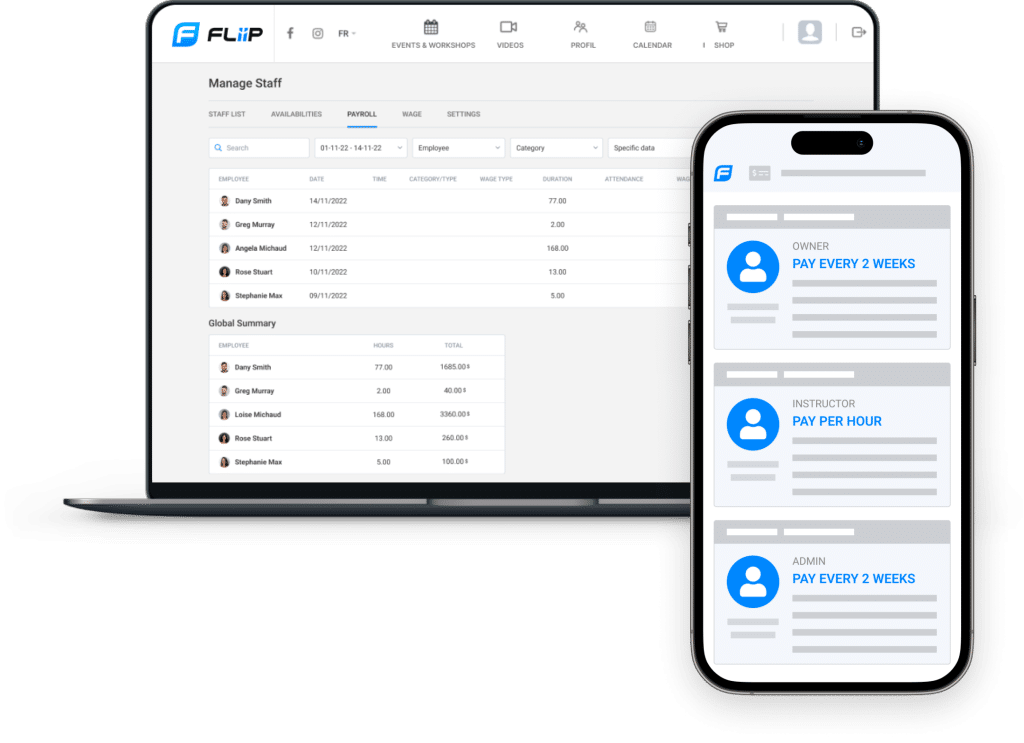
- Staff Management: If you have a large team of instructors and trainers, the software should help manage their schedules, track their hours, and even handle payroll.
3. Check for Mobile and Web Compatibility
In today's mobile-first world, having a gym scheduling software that’s accessible across both web and mobile devices is a must. Mobile compatibility enhances convenience for both members and staff:
- Members: Ensure the software provides a mobile app or mobile-friendly portal where members can book classes, manage their accounts, and make payments on the go.
- Staff: Trainers and managers should be able to adjust schedules, track class attendance, and access important member data from their smartphones or tablets.
Mobile access keeps your gym's operations flexible and improves the overall user experience for members and employees.
4. Integration Capabilities
Your gym scheduling software should integrate with the other tools you use, such as:
- Accounting Software: If you use platforms like QuickBooks or Xero, integration can help streamline your financial management.
- Marketing Tools: Connect with email marketing systems like Mailchimp or Constant Contact to automate member engagement campaigns, class promotions, and reminders.
- Fitness Tracking Apps: Integrating with fitness apps like Fitbit or SugarWOD can enhance your members’ experience by allowing them to track workouts and progress.
- Zapier for Automation: If you use multiple platforms, check if the software integrates with Zapier to automate workflows between systems.
Seamless integration with these platforms saves time, reduces manual data entry, and creates a more cohesive experience across your gym’s tech stack.
5. Review Pricing Structures
Pricing is an important consideration when choosing gym scheduling software. Most software platforms follow a subscription-based model, but the costs can vary based on the features you need and the size of your gym.
- Basic Plans: Ideal for smaller gyms with simple scheduling needs, these plans generally start around $50 to $100 per month.
- Mid-Tier Plans: For growing gyms with more advanced needs (like CRM tools, marketing automation, or mobile app support), pricing ranges between $100 to $200 per month.
- Premium Plans: Larger gyms with multiple locations or highly complex services may require premium plans, which start around $300 per month and can go higher depending on the level of customization and features.
- Additional Fees: Be aware of potential setup fees, transaction fees for payment processing, and charges for add-ons like branded mobile apps or extra integrations.
Make sure to choose software that fits your budget while providing the features that add the most value to your operations.
6. Test Free Trials or Demos
Most gym scheduling software providers offer free trials or demos. Take advantage of these opportunities to test how the software works in real-life scenarios. Include key team members in the trial, such as front-desk staff, instructors, or managers, to get feedback on the ease of use and functionality. A hands-on test will help you determine if the software truly meets your needs before committing to a long-term contract.
7. Assess Customer Support and Training
Good customer support is essential when adopting new software. Check whether the provider offers onboarding, staff training, and ongoing support through multiple channels, such as live chat, phone, or email. Having a dedicated support team can make a big difference in how smoothly your gym transitions to using the software. Also, look for self-service resources like video tutorials, knowledge bases, and user communities.
8. Consider the Long-Term Scalability
Finally, choose software that will grow with your gym. If you plan to expand your services, open new locations, or add more members, make sure the software can handle increased complexity without major upgrades or disruptions. Look for features like multi-location management, flexible membership structures, and the ability to add new users or services seamlessly.
Choosing the right gym scheduling software is a critical decision that impacts your gym’s efficiency, member satisfaction, and growth. By carefully evaluating your needs, focusing on key features, and testing different options, you can find the software that will streamline your operations and help you build a thriving fitness business.
FLiiP: The Gym Scheduling Software That Understands Your Business
When choosing gym scheduling software, finding a solution that aligns with your unique operational needs while also offering a balance between affordability and functionality is key. FLiiP was designed by gym owners, specifically for gym owners, to meet the needs of fitness businesses at every level.
Here’s why FLiiP stands out as the ideal choice for gyms looking to streamline scheduling, boost member retention, and manage their operations efficiently:
1. Transparent Pricing with No Hidden Fees
Gym owners need control over their budget. With FLiiP, you only pay for the features that you truly need, ensuring that you can stay within budget without sacrificing essential functionality. Whether you’re a small boutique studio or a growing franchise, FLiiP offers flexible pricing that scales with your business.
2. Effortless Member Engagement
FLiiP makes it easy for you to attract new members and keep them engaged. With intuitive booking features, automated reminders, and seamless mobile app integration, your members can manage their classes and memberships from anywhere. FLiiP’s user-friendly design ensures that members have a hassle-free experience, whether they’re booking a class or purchasing a membership package.
3. Optimize Class Attendance and Reduce No-Shows
No more dealing with underbooked classes or last-minute cancellations. FLiiP allows members to easily book and cancel classes, while also offering real-time attendance tracking. Automated notifications and waitlist management keep your schedules balanced and your gym buzzing with activity. This ensures higher attendance rates and less administrative work for your staff.
4. Simplify Payments and Financial Management
FLiiP automates payment processing, making it easier for members to pay for classes, renew memberships, or purchase packages directly through the platform. This not only improves cash flow but also reduces administrative burdens. With clear revenue tracking and integrated financial reports, you can get a complete picture of your gym’s performance at any time.
5. Boost Member Retention
FLiiP’s advanced member management tools help you personalize communications and keep members engaged. Automated follow-ups, personalized offers, and progress tracking help maintain high levels of satisfaction and loyalty. By fostering a strong sense of community and providing valuable touchpoints, FLiiP helps you reduce member churn and increase retention.
6. Powerful Reports and Insights
Gain valuable insights into your gym’s performance with FLiiP’s reporting and analytics tools. Track attendance trends, identify popular classes, and monitor revenue streams, all from an intuitive dashboard. These insights allow you to make data-driven decisions that optimize operations and enhance member satisfaction.
7. Seamless Multi-Location Management
If your gym is expanding or already operates multiple locations, FLiiP makes managing multiple sites simple. Customize schedules, memberships, and class offerings for each location while sharing data securely across all sites. FLiiP’s centralized platform allows you to oversee all locations from one place, making growth smoother and more scalable.
8. Customization to Fit Your Brand
FLiiP allows you to tailor the software to reflect your gym’s unique brand identity. From customizing your member portal to offering a branded mobile app, FLiiP ensures that your members have a consistent and professional experience every time they interact with your business.
9. Integration with Other Tools
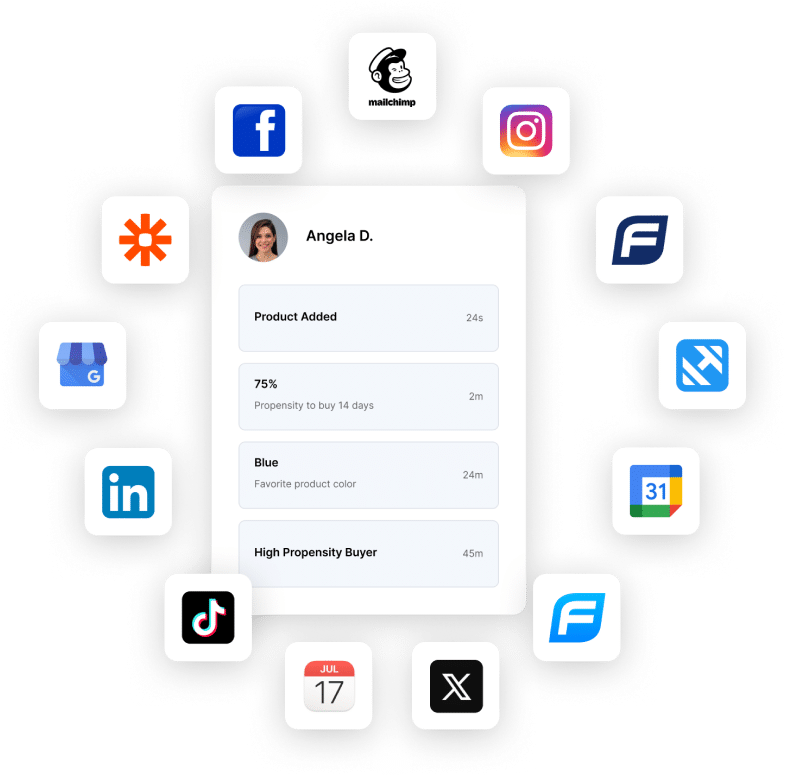
FLiiP integrates your existing tools to level up your workflow while working with what you already know.
10. Dedicated Support and Training
Switching to new software can be daunting, but FLiiP provides hands-on support and training to ensure that you and your team can make the most of the platform. From initial setup to ongoing support, FLiiP’s dedicated team is there to help you succeed.
Remember, the best software isn’t always the cheapest. Consider the value you’ll get from each option, including ease of use, customer support, and long-term scalability.
Conclusion
Selecting the right gym scheduling software is a critical decision that can shape the way your business operates, grows, and engages with members. By choosing a solution like FLiiP, you’re opting for a system that not only streamlines scheduling and member management but also enhances your gym’s overall performance. With features designed to boost member retention, automate administrative tasks, and provide valuable insights, FLiiP offers the tools you need to run a successful and profitable gym.
Ready to see FLiiP in action? Book a free demo to discover how we can help you simplify operations, attract more members, and grow your gym effortlessly!