Top 10 Commercial Gym Classes That Keep Members Coming Back
Group fitness is one of the biggest drivers of member retention, engagement, and revenue in commercial gyms. The right mix of commercial gym classes can turn casual visitors into committed members, boost referrals, and create a strong gym community.
For gym owners, offering the right selection of classes isn’t just about keeping the schedule full, it’s about understanding what attracts and retains members while maximizing revenue. Some classes bring in high-energy crowds, while others help members recover and stay consistent in their training. The most successful gyms strike a balance between strength, cardio, recovery, and specialized offerings to appeal to a wide range of members.
This guide covers the top 10 commercial gym classes that keep members engaged, help increase retention, and drive profitability. Whether you're looking to refresh your class lineup or optimize your schedule, these classes deliver real value for both members and gym owners.
1. High-Intensity Interval Training (HIIT)
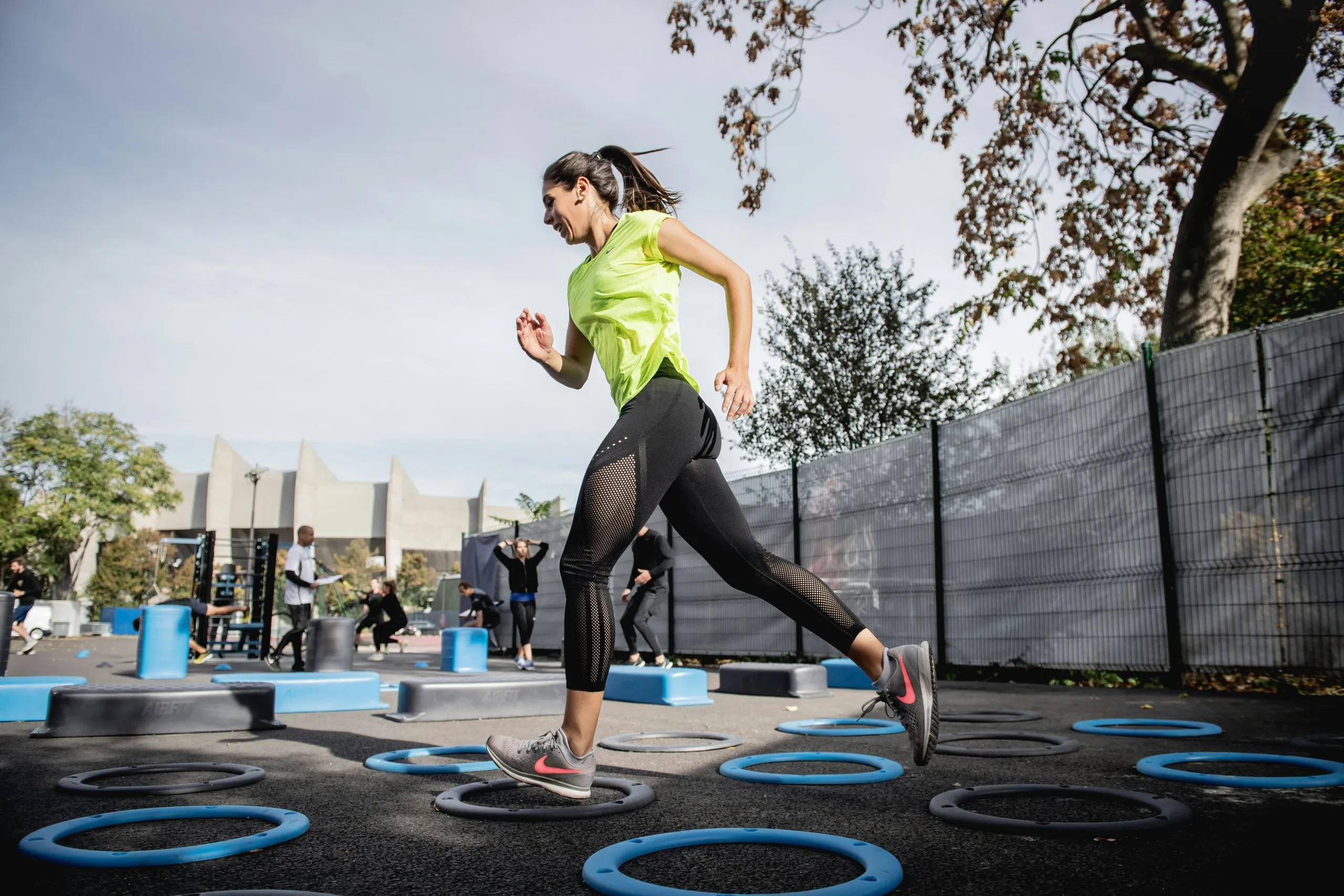
If there’s one class that never fails to draw a crowd, it’s HIIT. Fast, intense, and ridiculously effective, HIIT workouts appeal to members who want maximum results in minimal time. These classes combine short bursts of all-out effort with quick recovery periods, keeping workouts efficient, exciting, and adaptable to all fitness levels.
Why HIIT Works for Commercial Gyms
HIIT is one of those workouts that just works, for both members and gym owners. Members love it because they burn a ton of calories in a short amount of time, and gym owners love it because it’s easy to run, scalable, and keeps members engaged.
Since HIIT relies on simple yet effective movements, think sprints, squats, burpees, and kettlebell swings, it doesn’t require expensive equipment. A few dumbbells, resistance bands, and an open space are all you need to offer a high-energy, sweat-dripping class that leaves members feeling accomplished. Research from Les Mills Global Fitness Report found that 62% of fitness facilities worldwide offer HIIT, surpassing traditional spin and group cycling classes in popularity. This means members expect it, and if a gym doesn’t offer it, they may look elsewhere.
HIIT is also incredibly versatile, making it easy to mix things up so classes never feel stale. Some of the best variations include:
- Circuit-based HIIT – Members rotate through strength and cardio stations.
- Bodyweight HIIT – Perfect for those who want to avoid equipment but still get a killer workout.
- Strength HIIT – Incorporates kettlebells, barbells, or resistance bands to build muscle while torching calories.
How HIIT Boosts Retention and Revenue
HIIT classes keep members hooked because they see results fast. The post-workout calorie burn (a.k.a. the afterburn effect) means they’re still burning calories hours after class ends. Plus, the group setting brings energy, accountability, and a little friendly competition, key factors in keeping people coming back.
From a business perspective, HIIT is a low-cost, high-impact class that delivers serious value. Many gyms use HIIT as a premium offering, charging extra for specialty boot camps or small-group HIIT training. Some even integrate heart rate monitors and leaderboards to add a gamified experience, pushing members to compete with themselves or others.
How to Make HIIT a Standout in Your Gym
- Schedule multiple HIIT options throughout the week, some members prefer mornings, while others want an after-work sweat session.
- Track attendance trends to see which formats and time slots perform best.
- Promote HIIT to new members as an easy way to build confidence and stamina in a fun, supportive group setting.
- Offer variations (strength-based, low-impact, express HIIT) to keep the schedule fresh and attract different types of members.
HIIT is a staple in commercial gym programming that consistently delivers high engagement, packed classes, and a strong sense of community. If your gym doesn’t have a solid HIIT lineup yet, now’s the time to fix that.
2. Strength Training & Functional Fitness
Strength training is no longer just for bodybuilders. More gym members, especially beginners and general fitness enthusiasts, are embracing strength-focused workouts to build muscle, improve mobility, and boost overall health. Strength training classes are one of the best investments for commercial gyms because they attract a dedicated, long-term member base that prioritizes consistency.
Why Strength Training Classes Are Essential for Commercial Gyms
Unlike traditional cardio workouts, strength training provides progressive and measurable results, keeping members motivated as they witness tangible improvements. Research indicates that inactive adults can experience a 3% to 8% loss of muscle mass per decade, accompanied by a reduction in resting metabolic rate and fat accumulation. However, engaging in strength training can counteract these effects, leading to increased lean body mass and metabolic rate.
For gym owners, this translates to higher retention rates, as members invested in strength training are more likely to maintain their memberships to continue their progress.
These classes also attract a diverse crowd, from those new to lifting who need guidance to experienced lifters looking for a structured program. Strength training appeals to:
- 💪🏼 Beginners who want to learn proper form and gain confidence.
- 🏋🏻 Athletes looking for performance-based strength and conditioning.
- 👵🏼 Older adults seeking improved bone density and functional movement.
Types of Strength and Functional Training Classes That Work
Commercial gyms have seen success with a variety of formats, including:
- Barbell Strength Training – Teaches foundational lifts like squats, deadlifts, and presses in a structured setting.
- Kettlebell Strength & Conditioning – A mix of power, endurance, and mobility work using kettlebells.
- TRX and Bodyweight Strength – Uses suspension trainers and calisthenics for a scalable, joint-friendly workout.
- Functional Fitness Circuits – Incorporates real-life movement patterns, agility drills, and compound lifts to build strength in a practical way.
These formats ensure strength training isn’t just for hardcore lifters, it’s an accessible and inclusive class option that meets the needs of a wide range of members.
How Strength Training Classes Drive Revenue and Retention
- Higher engagement and attendance consistency. Strength-focused members show up regularly to track progress, leading to better retention rates.
- Opportunities for personal training upsells. Strength training classes introduce members to lifting, often leading to interest in one-on-one coaching or specialized strength programs.
- Increased demand for premium memberships. Gyms that offer structured barbell or kettlebell training can include them in small-group training packages, generating additional revenue.
How to Optimize Strength Training in Your Gym
- Schedule strength classes during peak hours when members are more likely to commit to structured training.
- Offer introductory sessions to help new members gain confidence with weights.
- Use gym management software to track class engagement and adjust formats based on demand.
- Create a progression system where members can advance through different levels of strength classes over time.
Strength training is a long-term retention strategy that keeps members engaged, drives premium services, and positions your gym as a leader in results-driven programming. Offering structured strength training classes is one of the smartest ways to boost member retention, attract new audiences, and increase revenue in a commercial gym setting.
3. Indoor Cycling Classes
Indoor cycling has been a gym favorite for years, and for good reason. It’s high-energy, low-impact, and totally addicting when done right. With a mix of pumping music, motivating instructors, and performance tracking, spin classes keep members coming back for more.
Why Indoor Cycling Works for Commercial Gyms
Cycling classes appeal to a huge range of members, from beginners who want a guided cardio workout to seasoned athletes looking to push their endurance. Plus, since it’s easy on the joints, it’s a great option for those who want intensity without the impact of running or jumping.
For gym owners, indoor cycling isn’t just a solid member magnet, it’s a revenue booster. Studies show that gyms with dedicated cycling programs generate 55% more revenue than other fitness studios. And with the rise of tech-enhanced cycling (think leaderboard challenges and power zone training), it’s only getting bigger.
How Cycling Classes Keep Members Hooked
- Built-in motivation. The group energy, instructor cues, and music create an atmosphere that keeps members engaged and pushing harder than they would alone.
- Trackable progress. Many modern spin classes integrate heart rate monitors or power meters, giving members a sense of achievement every session.
- Community-driven. People bond over tough workouts, and cycling classes naturally create that “we’re in this together” mentality that boosts retention.
How to Make Cycling a Standout in Your Gym
- Schedule peak-time classes. Morning, lunchtime, and post-work rides tend to fill up fastest.
- Offer multiple styles. Rhythm-based rides, endurance-focused training, and HIIT cycling classes all appeal to different crowds.
- Upgrade the experience. Consider bikes with performance tracking to gamify workouts and keep members engaged.
- Hire dynamic instructors. A great playlist and an energetic coach can make the difference between a good class and a packed class.
With the right setup, cycling classes become more than just another option on the schedule. They turn into a high-energy, social experience that keeps members engaged and coming back weekly. It’s a win-win, loyal members get results, and gym owners see consistent class attendance and revenue growth.
Learn More: 10 Factors That Make a Successful Commercial Gym
4. Boxing & Kickboxing Workouts
Boxing-inspired fitness classes have exploded in popularity over the last few years, and it’s easy to see why. These workouts combine strength, cardio, and skill development, making them one of the most engaging and high-energy classes a gym can offer. Whether it’s shadowboxing, heavy bag work, or kickboxing drills, these classes provide an outlet for stress while delivering a full-body burn.
Why Boxing & Kickboxing Classes Work for Commercial Gyms
One of the biggest draws of boxing workouts is their versatility. They attract a wide range of members, from those looking for an intense cardio session to those wanting to improve coordination, agility, and power. I’ve seen members walk into their first boxing class unsure if they’d like it, only to leave totally hooked. There’s something about hitting a bag (or even just shadowboxing) that makes you forget how hard you’re working.
From a gym owner’s perspective, these classes are a great investment because they:
- Require minimal equipment. A few heavy bags, gloves, and hand wraps are all you need to get started.
- Are scalable. Whether it’s a large group class or a small semi-private session, boxing workouts work in different formats.
- Encourage strong member retention. Members see progress fast, not just in fitness, but in skill, and that keeps them coming back.
How Boxing & Kickboxing Classes Drive Revenue and Retention
- They create a premium experience. Many gyms charge extra for boxing-style classes because of the specialized training they require. Some even offer structured boxing or kickboxing programs as an add-on membership.
- They bring in diverse audiences. Boxing isn’t just for one demographic. It appeals to young professionals, fitness enthusiasts, and even older members who want a functional, high-intensity workout.
- They open up personal training opportunities. Many members who fall in love with boxing classes end up signing up for one-on-one mitt work sessions or small-group training, driving additional revenue.
A study published in Frontiers in Psychology found that combat sports significantly improve mental well-being, helping participants develop focus, discipline, and stress relief. For gym owners, that means happier, more engaged members, something every fitness business benefits from.
How to Make Boxing Classes a Hit in Your Gym
- Offer beginner-friendly sessions. Boxing can be intimidating for newcomers, so having classes designed to teach fundamentals, like proper stance, footwork, and basic punches, helps attract a wider audience.
- Mix in different formats. Some members love high-intensity heavy bag work, while others prefer technique-based training with mitts or shadowboxing. Variety keeps classes fresh.
- Make it a full experience. Lighting, music, and energy levels matter. Some gyms turn their boxing rooms into dark, club-like spaces with music-driven workouts, creating an immersive feel that gets members excited.
- Highlight progress. Whether through tracking punch count, power output, or endurance improvements, giving members a sense of achievement keeps them coming back.
Boxing workouts are a powerful way to engage members, increase retention, and create a unique gym experience. If your gym doesn’t have a boxing or kickboxing offering yet, it’s worth considering. The demand is there, and the business potential is huge.
5. Yoga & Mind-Body Classes
Yoga and other mind-body workouts have become essential offerings in commercial gym classes, providing members with much-needed balance between high-intensity training and recovery. While yoga was once considered a niche offering, it’s now a key component of full-body wellness that appeals to a broad range of members.
Why Yoga & Mind-Body Classes Work for Commercial Gyms
One of the biggest mistakes gyms make is underestimating the demand for recovery-focused commercial gym classes. While strength training and cardio dominate most schedules, members are increasingly recognizing the importance of mobility, flexibility, and stress reduction. Research shows that yoga helps lower cortisol levels (the stress hormone), improve sleep, and enhance mental well-being, making it a valuable addition to any fitness program.
For gym owners, yoga and other mind-body classes provide:
- A wider audience reach. Yoga attracts everyone, from weightlifters needing mobility work to professionals looking for stress relief.
- Cost-effective programming. Unlike equipment-heavy commercial gym classes, yoga requires minimal investment, just mats, blocks, and a quiet space.
- Higher member retention. Many members see yoga as a lifelong practice, making it a great tool for long-term engagement.
Popular Yoga & Mind-Body Commercial Gym Classes
To make yoga appealing to different member types, gyms are offering a variety of class formats, including:
- Power Yoga – A faster-paced, strength-based class that appeals to those wanting both a workout and mobility work.
- Restorative Yoga – A slower, deep-stretch session designed for stress relief and muscle recovery.
- Hybrid Yoga Classes – Combinations like Yoga + HIIT, Yoga + Strength, or Yoga + Mobility to attract gym-goers who prefer structured workouts.
- Guided Meditation & Breathwork – Growing in popularity, these classes help members with stress management and mindfulness.
How Yoga Classes Improve Retention & Revenue in Commercial Gyms
Yoga might not be the highest-earning commercial gym class, but it plays a major role in keeping members engaged. Many gym-goers appreciate having yoga as part of their gym membership rather than paying extra for boutique studio classes. This helps improve member satisfaction and retention rates.
Some gyms have also monetized yoga through specialized offerings, such as:
- Small-group yoga workshops for beginners or athletes.
- Recovery-focused yoga sessions designed for strength and endurance athletes.
- Premium yoga experiences with heated studios or outdoor sessions.
How to Optimize Yoga in Your Commercial Gym Classes
- Schedule yoga at strategic times. Evening and weekend slots perform well since members use yoga to unwind.
- Offer multiple formats. Some members want an intense, workout-style yoga class, while others need a calming recovery session.
- Promote its full-body benefits. Highlight yoga’s impact on stress relief, injury prevention, and mobility to attract a broader audience.
- Pair yoga with other fitness programs. Offering a Yoga for Lifters or Post-HIIT Recovery Flow class can make it more relevant to your existing members.
A good yoga program rounds out your gym’s class schedule by giving members the balance between tough workouts and proper recovery. When yoga is seen as more than just stretching but as a key part of staying strong, mobile, and injury-free, it becomes a class that keeps people coming back. Gyms that embrace this approach not only meet growing demand but also build stronger, more loyal memberships.
Learn More: The Power of Holistic Fitness Programs: Supporting Mental and Physical Well-Being
6. Dance Fitness & Cardio Workouts
Some gym classes feel like work, dance fitness doesn’t. It’s high-energy, fun, and one of the best ways to keep members engaged without them feeling like they’re grinding through another workout. Whether it’s Zumba, hip-hop cardio, or dance-based HIIT, these classes create an atmosphere where people want to show up, move, and stay consistent.
Why Dance Fitness is a Must-Have in Commercial Gym Classes
I’ve seen plenty of gym members who hated traditional workouts light up in a dance fitness class. There’s something about moving to music, following simple choreography, and being part of a group that’s just having fun that makes it one of the most accessible commercial gym classes out there.
From a business standpoint, these classes:
- Appeal to members who might not enjoy weight training or HIIT. This brings in a broader demographic, including beginners, older adults, and those looking for a less intimidating workout.
- Create a strong social experience. Members connect with each other in these classes, making them more likely to stick with their gym memberships long-term.
- Require minimal equipment. Unlike cycling or strength-based commercial gym classes, dance workouts only need an instructor, music, and space to move.
Best Dance & Cardio Classes for Commercial Gyms
To get the most out of dance-based workouts, gyms should offer a mix of options to attract different types of members:
- Zumba & Latin-Inspired Dance – One of the most popular formats worldwide, blending dance and cardio into a high-energy, easy-to-follow workout.
- Hip-Hop Cardio – A mix of dance moves and interval-style training set to upbeat music.
- Step Aerobics – A throwback that’s making a comeback, using step platforms for a dynamic cardio workout.
- Dance HIIT – Alternating between dance sequences and bodyweight exercises for a workout that keeps heart rates high.
Dance workouts don’t just burn calories, they create a fun, welcoming gym culture that makes members excited to come back.
How Dance Fitness Classes Improve Retention & Revenue
- Increases attendance from casual gym-goers. Not everyone enjoys lifting weights or high-intensity training, and dance fitness offers an alternative that keeps them engaged.
- Encourages community and word-of-mouth referrals. These classes tend to have a loyal following, with members inviting friends, which brings in new gym sign-ups.
- Low-cost but high-value. No need for specialized equipment, just great instructors and the right playlist.
- Easy to bundle into premium programs. Many gyms offer dance fitness challenges or event-style classes that come with a small extra fee.
How to Make Dance Fitness a Standout in Your Gym
- Pick the right instructors. Energy and personality are everything in these classes, someone who can bring excitement will make a huge difference in attendance.
- Schedule classes in the evening or weekends. Members are more likely to attend a high-energy dance class when they’re looking for stress relief and social engagement after work.
- Market it as an entry-level fitness option. Dance fitness can be the perfect “first gym class” for someone intimidated by weight training or intense cardio.
- Consider theme nights or special events. Think ‘80s dance night, glow-in-the-dark Zumba, or a dance workout that mimics viral TikTok routines.
Not every gym member is motivated by lifting heavier or running faster. Some just want to move, have fun, and feel good doing it. That’s where dance fitness shines, it turns exercise into something people look forward to, keeping them engaged, happy, and committed to their gym membership.
8. Small-Group Personal Training
Not every member is ready for one-on-one personal training, but many want more guidance and structure than a large group class provides. That’s where small-group personal training comes in, it bridges the gap between private coaching and group fitness, offering a more personalized experience at a lower cost than traditional personal training.
Why Small-Group Training Works in Commercial Gyms
I’ve seen small-group training completely change how members engage with the gym. Some people feel lost in a big class but don’t want the pressure (or price tag) of one-on-one coaching. In a four- to six-person session, they get hands-on coaching, accountability, and a structured program, all without feeling overwhelmed or overlooked.
For gym owners, small-group training is a game-changer because:
- It increases revenue per class. You can charge more than a typical group class while keeping it more affordable than private sessions.
- It creates strong member retention. These groups develop a sense of community, and members keep showing up because they feel personally invested.
- It maximizes coaching efficiency. Trainers can help multiple people at once, making it a great way to offer high-quality instruction without scheduling constraints.
Best Small-Group Training Formats for Commercial Gyms
To make small-group training a success, offer structured, results-driven programs that appeal to different fitness levels:
- Strength & Conditioning Groups – A mix of weightlifting, bodyweight movements, and functional training.
- Sport-Specific Training – Focused on agility, endurance, and strength for athletes in specific sports.
- Transformation & Weight Loss Groups – Guided training with a focus on fat loss and body composition changes.
- Beginner-Friendly Strength Programs – Helps new members get comfortable with weight training under a coach’s supervision.
How Small-Group Training Increases Revenue & Retention
- Encourages long-term commitment. These programs often run in cycles (e.g., 6-week strength programs), making it easier to lock in members for an extended period.
- Offers a premium service at an accessible price. Instead of charging $80+ per session for personal training, gyms can offer small-group training for $20–$40 per session, making coaching more affordable and scalable.
- Creates strong member loyalty. Since members build relationships with both their coach and their group, they feel more accountable and invested in their training.
How to Optimize Small-Group Training in Your Gym
- Position it as a premium upgrade. Market it as “personal training at a fraction of the cost” to attract members who want coaching but aren’t ready for 1-on-1 sessions.
- Offer structured cycles. 4- to 8-week progressive training blocks keep members engaged and improve retention.
- Schedule around peak hours. Many members prefer early morning, lunchtime, or after-work sessions for small-group training.
- Use gym software to track progress. Keeping members engaged with performance tracking and milestone goals increases commitment.
The best part about small-group training? It builds stronger relationships between members, coaches, and the gym itself. When people feel connected to their gym, they stick around, and that’s what makes small-group training one of the most profitable and retention-friendly offerings a gym can introduce.
10. Hybrid & Tech-Integrated Classes
Fitness is evolving, and commercial gym classes aren’t just about showing up in person anymore. More gyms are integrating technology, virtual training, and hybrid options to keep members engaged, both inside and outside the gym. From live-streamed workouts to performance-tracking wearables, hybrid and tech-driven classes are reshaping how members experience group fitness.
Why Hybrid & Tech-Integrated Classes Matter for Commercial Gyms
More members are looking for flexibility in how they train. Some want the energy of in-person classes, while others prefer the option to train at home on busy days. A strong hybrid offering allows members to stay engaged with their gym, no matter where they are, instead of turning to at-home fitness apps or boutique studios.
For gym owners, hybrid and tech-enhanced classes provide:
- Increased member convenience. Offering virtual access to workouts keeps members engaged even when they can’t make it to the gym.
- Stronger retention. Members who feel connected to their gym, whether in person or remotely, are less likely to cancel.
- A competitive edge. With so many digital fitness options available, gyms that offer tech-enhanced classes stand out.
Popular Hybrid & Tech-Integrated Classes in Commercial Gyms
- Live-Streamed & On-Demand Classes – Members can take their favorite workouts from home, during travel, or when they need more flexibility.
- Wearable Tech-Enhanced Workouts – Heart rate monitors, leaderboards, and real-time performance tracking boost motivation and engagement.
- AI-Powered Coaching – Some gyms integrate AI-based performance feedback to enhance group training.
- Smart Cycling & Rowing Classes – Connected fitness devices allow members to track stats and compete in real time.
How Hybrid Classes Increase Revenue & Retention
- Keeps members engaged beyond the gym. When members have access to both in-person and digital workouts, they’re more likely to stick with their gym memberships.
- Opens up new revenue streams. Some gyms offer premium virtual memberships for members who want remote access to classes.
- Encourages data-driven progress tracking. Wearables and app-based tracking keep members motivated by showing real-time progress.
- Reduces class size limitations. Virtual options allow gyms to serve more members without needing additional physical space.
How to Optimize Hybrid & Tech-Integrated Classes in Your Gym
- Offer a mix of in-person and virtual sessions. Some members love training at home on rest days but still want the option of live classes.
- Use gym management software to track engagement. Knowing which hybrid classes get the most sign-ups helps you adjust offerings.
- Incorporate gamification. Leaderboards, challenges, and progress tracking keep members motivated.
- Test different price models. Offering on-demand content as a premium feature can add extra revenue while keeping members engaged.
Technology isn’t taking over in-person fitness, it’s making it better. Adding hybrid and tech-driven classes gives members more ways to stay engaged, whether they’re in the gym or working out from home. It’s about meeting people where they are, keeping them connected, and strengthening your gym’s community for the long run.
Leveraging Gym Software to Run Commercial Gym Classes Smoothly
Having a stacked lineup of commercial gym classes is great, but keeping them organized, well-attended, and running smoothly? That’s a different challenge. No-shows, scheduling headaches, and underfilled classes can quickly turn group fitness into a frustrating experience for both staff and members. That’s where gym management software comes in.
How Gym Software Takes the Guesswork Out of Class Management
We’ve seen gym owners struggle with overbooked spin classes one day and half-empty boot camps the next, not because the workouts weren’t great, but because scheduling and member engagement weren’t dialed in. Gym software helps fix those gaps, making class management effortless.
- Easy Class Booking & Waitlists – Members can sign up in advance through an app, and if a class is full, waitlists automatically fill spots when someone cancels.
- Attendance Tracking to See What’s Working – Instead of guessing which classes are popular, gym owners get real data on trends, which workouts pack the room and which need tweaking.
- Automated Reminders to Reduce No-Shows – A quick text or app notification ensures members don’t forget their reservation, keeping participation high.
- Self-Service for Members = Less Admin for Staff – No more front desk chaos with members trying to book last-minute spots. Everything from class sign-ups to cancellations can be handled in-app.
- Hybrid & Virtual Class Integration – If your gym offers on-demand or live-streamed classes, software makes it easy to manage digital memberships and keep those members engaged, too.
Why It Matters for Gym Owners
Manually tracking class schedules, waitlists, and attendance wastes time and leaves money on the table. If a class is full but no one cancels their spot, that’s revenue lost. If members struggle to book classes or get stuck on long waitlists with no updates, they start looking for a more convenient gym.
With the right gym software, you get:
- Fewer empty class slots thanks to real-time tracking and automatic waitlist management.
- A smoother booking experience that makes it easy for members to commit to their workouts.
- Data-driven scheduling so you’re offering classes when people actually show up, not just when it’s convenient to put them on the calendar.
Optimizing Your Gym’s Class Strategy with Software
- Adjust schedules based on peak and off-peak hours. If morning yoga fills up but evening sessions are empty, shift things around.
- Identify your “sticky” classes. See which workouts bring members back week after week and build your schedule around them.
- Personalize recommendations. Some software allows you to send targeted class suggestions to members based on their attendance history.
- Keep everything connected. Gym software ties together scheduling, check-ins, payments, and attendance tracking, making it easy to see the full picture of how group fitness is performing.
Gym software isn’t just about making life easier for gym staff, it’s about creating a seamless experience for members. When booking is simple, schedules match demand, and communication is automatic, members show up more, engage more, and stick around longer. And at the end of the day, higher retention and full classes mean more revenue, less stress, and a thriving gym community.
Tired of guessing which classes will fill up and which will flop? With the right gym software, you can track attendance, manage waitlists, and optimize your commercial gym classes for maximum engagement. Book a free call to learn more!
Conclusion
Offering a diverse mix of commercial gym classes isn’t just about variety, it’s about member retention, engagement, and long-term gym success. The most successful gyms don’t just fill their schedules with random classes; they curate a lineup that meets different fitness needs, keeps members motivated, and drives revenue.
From high-energy HIIT and strength-based training to recovery-focused yoga and mobility sessions, every class plays a role in creating a complete gym experience. Dance fitness keeps things fun, boxing brings intensity, and small-group training gives members more structure, all while increasing attendance and boosting member satisfaction.
For gym owners, the key is knowing what your members respond to and using data to refine your class offerings. Tracking attendance, testing different time slots, and offering hybrid options for added flexibility all contribute to keeping your gym full and your members engaged.
A well-structured class schedule doesn’t just keep members active, it keeps them loyal. When people find a class that fits their goals and schedule, they stick around. And in the fitness industry, member retention is the ultimate win.