10 Factors That Make a Successful Commercial Gym
Every gym owner we’ve worked with eventually asks the same thing: What makes a successful commercial gym? And the truth is, it’s not just about the equipment or the location. Those things are important, but they’re only part of the equation. A successful commercial gym is built on understanding what your members value most and delivering an experience that keeps them coming back.
We’ve seen gyms thrive by focusing on the right strategies: creating a welcoming environment, offering high-quality equipment that members actually want to use, and running programs that keep people engaged. It’s not always easy, but it’s not a mystery either.
This blog breaks down the 10 factors that define a successful commercial gym. Whether launching your first gym, planning an expansion, or refining what you’ve built, these insights will help you create a space your members love, and a thriving business.
1. A Clear Value Proposition
A successful commercial gym stands out because it knows exactly what it offers and who it’s for. Your value proposition sets your gym apart, whether premium amenities, a focus on community, or specialized programs for specific member groups. It’s the answer to the question every potential member is asking: Why should I choose this gym?
We’ve seen gyms thrive when they lean into a clear identity. For instance, one gym positioned itself as the ultimate spot for busy professionals, offering 30-minute express classes and advanced recovery tools like compression therapy boots. Another embraced its role as a community hub, focusing on inclusive group classes and member socials. Both succeeded because their value proposition was clear, and their entire operation supported it.
How to Define and Communicate Your Value Proposition
If your value proposition isn’t clear yet, here’s how to refine it:
- Understand Your Strengths: What do you do better than anyone else? Maybe it’s your state-of-the-art equipment, a welcoming atmosphere, or your reputation for expert coaching.
- Know Your Members: Look at your target audience. Are you catering to beginners who want guidance or seasoned athletes looking for advanced tools?
- Use Data to Refine Your Focus: Gym management software can give you insights into member preferences. For example, if a majority of members consistently book functional training classes, that’s a strong signal to emphasize those programs in your branding.
Once you’ve defined your value proposition, make it central to everything you do. Feature it prominently on your website, incorporate it into social media messaging, and train your staff to embody it in every member interaction.
Using Data to Fine-Tune Your Message
Analyzing class attendance, equipment usage, and feedback trends helps reveal patterns and priorities. For example, if recovery equipment is consistently in demand or certain group classes always fill up, it’s a clear signal to emphasize those features in your marketing and daily operations.
I’ve seen gyms uncover surprising insights just by digging into their data, like leaning into express classes with high attendance and promoting how convenient these classes were for busy professionals. Small adjustments like these can have a big impact when real insights guide them.
Communicating Your Value Proposition
Once you’ve defined what sets your gym apart, make sure it’s reflected everywhere, from your branding and website to how your staff interacts with members. Your messaging should be clear, consistent, and aligned with the experience you’re delivering.
For instance, if you’re a gym that prides itself on expert coaching, your trainers should be visible and approachable during peak hours, ready to answer questions or demonstrate proper techniques. If inclusivity is your focus, your marketing should highlight testimonials from diverse members and showcase a welcoming environment in your imagery.
A strong value proposition is not a nice-to-have; it’s the foundation for member loyalty. When people feel like your gym aligns with their fitness goals and values, they’re far more likely to stay, recommend your gym to friends, and engage with your services beyond the basics.
Deliver on Your Promise
Your value proposition is only as good as the experience you provide. If you promise premium service, ensure your staff, equipment, and amenities match that promise.
Once your value proposition is clear, make it central to everything you do. Highlight it on your website, weave it into your social media posts, and train your staff to deliver the experience that sets your gym apart.
A strong value proposition is more than just a tagline; it’s the foundation for building trust with your members and standing out in a competitive market. It’s the reason they choose your gym, and stick with it.
2. Well-Defined Target Audience
A successful commercial gym knows exactly who it’s serving. Trying to appeal to everyone often means you don’t resonate deeply with anyone. When you define your target audience, you can tailor everything, your equipment, classes, marketing, and even the layout of your space, to meet their specific needs and preferences.
Understanding your audience allows you to create a gym that feels personal and intentional. For instance, a gym targeting young professionals might focus on express HIIT classes during peak hours, recognizing their members’ time constraints. In contrast, a family-focused gym might prioritize amenities like childcare or weekend classes parents can enjoy with their kids. When you align your offerings with what your members genuinely need, it doesn’t just attract them, it keeps them loyal.
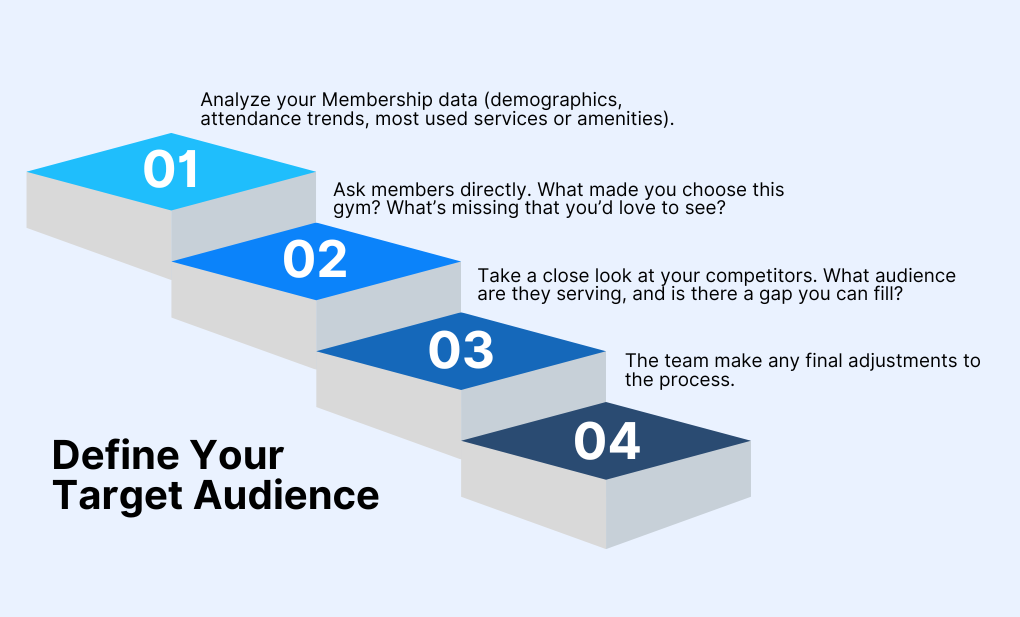
How to Define Your Target Audience
1. Analyze Your Membership Data
If you’ve been running your gym for a while, you already have valuable insights. Use gym management software to dig into data like:
- Member demographics (age, gender, or fitness level).
- Attendance trends (busiest times and underused slots).
- Most-used services or amenities.
For instance, if you notice younger members flocking to functional fitness classes, that’s a signal to invest more in that area.
2. Ask Your Members Directly
Surveys or casual conversations can reveal details you might not catch in data alone. Ask questions like:
- What made you choose this gym?
- What’s missing that you’d love to see?
- How does your fitness routine fit into your daily life?
Members will appreciate being heard, and their responses can help you refine your approach.
3. Research Your Market
Take a close look at your competitors. What audience are they serving, and is there a gap you can fill? For example, if no one in your area offers specialized strength training for beginners, that could be your opportunity to stand out.
Tailoring Your Gym to Your Audience
Once you’ve identified your ideal members, your decisions become much more focused. Think about:
- Programming: Offer classes and personal training options that align with their goals. For example, if your audience is older adults, low-impact fitness classes like yoga or water aerobics might resonate more than high-intensity workouts.
- Equipment Choices: If strength training is popular among your members, prioritize squat racks, barbells, and heavy-duty benches. For a more wellness-focused audience, recovery tools and cardio machines might take center stage.
- Marketing: Speak directly to your audience in your ads and on social media. Use images and language that reflect their fitness goals, challenges, and aspirations.
Focus and Flexibility Work Together
Sometimes, insights into your audience can lead to unexpected changes. I’ve seen gyms realize their midday crowd was far bigger than expected and adjust staffing and programming to meet the demand. Those changes didn’t just improve attendance, they made members feel like the gym was paying attention to their needs.
Knowing your audience doesn’t mean you can’t adapt. It’s about starting with focus and staying flexible as your members’ needs evolve.
Defining your target audience is one of the most effective ways to turn a gym into a thriving, successful commercial gym. When members feel like your space was made for them, whether it’s the equipment, programming, or even the atmosphere, you’re not just running a gym. You’re building a place they trust and want to be part of for the long term.
3. Strategic Location
A gym’s location can make or break its success. The right spot isn’t just a pin on the map, it’s a place that fits naturally into your members’ daily lives. Convenience is key. If your gym is easy to get to, whether it’s near their homes, workplaces, or a major commuter route, members are far more likely to visit consistently.
For example, a gym located near an office park might attract professionals who prefer early morning or lunchtime workouts, while one in a suburban area can thrive by catering to families and weekend fitness enthusiasts. Your location should reflect the habits and needs of your target audience, making it effortless for them to show up and stay committed.
Key Considerations for Choosing or Evaluating a Location
Proximity to Members
Where your ideal members live, work, or spend their time should influence where your gym is located. For example, gyms targeting busy professionals thrive near office parks or urban centers, while family-friendly gyms often do well in suburban neighborhoods close to schools or community hubs.
Visibility and Accessibility
A high-traffic, visible location helps bring in walk-ins and keeps your gym top of mind for potential members. Even better if the area offers:
- Ample parking or bike racks.
- Easy access from public transportation.
- Nearby complementary businesses, like healthy cafes or physical therapy clinics, which can drive additional foot traffic.
Parking and Accessibility
Parking is one of the most overlooked factors but is critical for member convenience. Make sure there’s enough parking, and that your gym is easy to find and access. For urban gyms, ensure it’s close to public transportation and has clear, visible signage.
Local Demographics and Demand
Understanding the area’s population is key. Are there enough people within your target demographic to sustain your gym? Tools like demographic research reports or fitness market analyses can give you valuable insights.
Competitive Landscape
Study the other gyms in the area. Are they serving the same demographic, or is there an underserved niche you could cater to? For instance, if nearby gyms are focused on group fitness, positioning your gym as a strength training hub could fill a gap in the market.
Practical Steps to Evaluate Your Location
1. Conduct a Demographic Analysis
Research your area using census data or tools like ESRI or Nielsen. Focus on:
- Population density.
- Average age and income of residents.
- Local fitness preferences, if available.
2. Survey the Local Market
Spend time in the area. Observe foot traffic, talk to local businesses, and get a feel for the neighborhood. This on-the-ground insight often reveals opportunities that data alone won’t show.
3. Assess Nearby Businesses
Gyms near complementary businesses, like juice bars, healthy cafes, or physical therapy offices, benefit from cross-promotional opportunities. Being in a wellness-oriented area reinforces your brand’s message.
4. Leverage Technology
Tools like Google Maps or fitness industry platforms can help you analyze competitors and member proximity. Consider creating a heat map of where your current members live to identify prime locations for expansion or relocation.
When Location Isn’t Perfect
Not every gym has the luxury of choosing its location, maybe you’ve inherited a space or are locked into a lease. If that’s the case, focus on making the most of what you have:
- Improve Visibility: Invest in standout signage and local advertising to ensure people know where you are.
- Maximize Convenience: Offer amenities like free parking validations, bike racks, or partnerships with ride-share apps to make access easier.
- Strengthen Your Offerings: Deliver something unique that makes your gym worth going out of the way for, like premium equipment, exceptional service, or one-of-a-kind classes.
Adapting When Location is Less Than Ideal
Not every gym is lucky enough to land in a prime, high-traffic location, but even a quieter spot can thrive with the right strategy. Gyms in less visible areas can stand out by offering a unique experience or amenities that members can’t easily find elsewhere.
I’ve seen gyms in suburban locations succeed by focusing on building a sense of community and enhancing the overall member experience. One gym in a low-traffic area added recovery-focused tools like foam rollers and compression boots and began hosting small, practical workshops on nutrition and injury prevention. These features gave members more reasons to visit and stay engaged. Over time, the added value created a loyal, close-knit community that turned into the gym’s greatest strength.
Making the most of your location isn’t about trying to compete with bigger, busier gyms, it’s about leaning into what makes your space unique and focusing on what your members need most.
A Thought on Expansion
Expanding to a second location is an exciting milestone for any gym owner, but it also comes with challenges. The good news is that your first site holds the key to making your next one a success. The data you’ve gathered, like member demographics, peak usage times, and popular programs, provides a blueprint for what works.
For example, if you know your members love functional fitness and group classes, you’ll want to ensure your second location has ample space and equipment to support those needs. Or, if you’ve noticed a significant draw during early mornings at your first site, staffing and programming for that same time frame might give you a strong start at the new one. The idea is to replicate your strengths while tailoring to the specific needs of the new market.
Scaling operations across multiple locations also means maintaining consistency in member experience, which can be tricky as your business grows. Tools like FLiiP gym management software make this easier by centralizing your data and streamlining operations across all locations.
Looking to grow and scale with confidence? FLiiP can help you use your data effectively, simplify management, and keep your growing business running smoothly. Reach out to us to see how we can support your journey!
4. High-Quality Equipment
The equipment you choose for your gym is one of the most visible and tangible aspects of your business. Walk into any successful commercial gym, and you’ll see equipment that works well and is aligned with what members actually use. The right mix of machines, free weights, and functional gear can make or break how your gym is perceived, and whether members stick around.
Durability and functionality are non-negotiable for a successful commercial gym equipment. Members expect machines that work seamlessly, feel sturdy, and can handle heavy, frequent use. Broken or outdated equipment sends the wrong message, it can make members feel like your gym doesn’t prioritize their experience. Conversely, well-maintained, modern equipment builds trust and keeps people coming back.
Balancing Essentials with Trends
When outfitting a gym, chasing the latest trends is tempting, but it’s critical to start with the essentials. Here’s how to balance your choices:
Classics That Every Gym Needs:
- Treadmills, ellipticals, and rowers for cardio.
- Free weights, squat racks, and benches for strength training.
- Functional fitness tools like kettlebells, medicine balls, and resistance bands.
Trending Equipment for 2025:
- Smart Machines: Cardio and strength machines with built-in performance tracking or virtual class integration.
- Recovery Tools: Compression therapy systems, foam rollers, and percussive massage guns.
- Eco-Friendly Gear: Self-powered treadmills and equipment made from recycled materials.
Starting with the basics and then adding trends that resonate with your audience ensures your gym appeals to a broad range of members while staying within budget.
Learn More: Top Commercial Gym Equipment In 2025
Tips for Smart Equipment Investments
- Match Equipment to Your Members: Understand your audience to prioritize the right gear. If functional fitness is popular, invest in modular rigs, sleds, and turf areas. For group-focused gyms, ensure you have versatile setups like yoga mats and light weights. Use tools like gym management software to analyze trends, such as class attendance or equipment usage, to guide your decisions.
- Prioritize Quality Over Quantity: Cheap equipment might save money upfront, but it can’t withstand heavy use. Invest in reliable brands like Rogue Fitness or Life Fitness that are built for durability. Members notice when equipment works flawlessly, and high-quality gear reduces downtime and costly repairs.
- Build Maintenance into Operations: Even the best machines need regular upkeep. Schedule frequent checks and address repairs quickly to avoid frustrating your members. A clear process for staff to report issues ensures nothing goes unnoticed.
- Consider Leasing Options: Leasing is a smart way to test equipment tied to trends, like recovery tools or self-powered treadmills, before fully committing. It also provides financial flexibility while you figure out what works best for your gym.
Smart investments in equipment save money, build trust with your members, and improve their overall experience. Quality, reliability, and responsiveness are key to keeping your gym running smoothly.
Creating a Member-Focused Layout
Even the best equipment won’t shine if it’s not arranged well. Take the time to design your gym floor with the member experience in mind:
- Place cardio machines in areas with TVs or windows for an enjoyable view.
- Dedicate open floor space to functional fitness tools and stretching.
- Organize strength equipment logically, grouping benches, racks, and free weights together makes workouts seamless.
5. Exceptional Member Experience
A successful commercial gym is more than just a place to work out, it’s a space where members feel valued, supported, and excited to show up. The member experience goes far beyond having good equipment. It’s about the little details that make people feel like they belong and the thoughtful touches that set your gym apart.
When members have a positive experience every time they visit, they’re more likely to stay loyal, recommend your gym to friends, and even engage with additional services like personal training or specialty classes.
What Creates an Exceptional Experience?
The best gyms make member experience a priority by focusing on key areas:
- Welcoming Environment: First impressions matter. A clean, organized, and visually appealing gym makes members feel at ease. Every interaction should be friendly and professional from the moment they walk through the door. A smiling front desk staffer who greets members by name can make all the difference.
- Accessibility and Convenience: Members appreciate features that make their visits seamless, like easy check-ins, ample parking, and clear signage. If they have to spend extra time or effort navigating your gym, it becomes a barrier to their routine.
- Cleanliness and Maintenance: Clean facilities are non-negotiable. Well-stocked bathrooms, sanitized equipment, and tidy workout spaces create an atmosphere of care and professionalism. Regular cleaning schedules help you stay ahead of member expectations.
- Engaging Atmosphere: Music, lighting, and even the way equipment is spaced can shape how members feel in your gym. A bright, energetic space motivates people to push themselves, while a cluttered or poorly lit gym does the opposite.
Learn More: Creating Unforgettable Group Fitness Experiences That Keep Clients Coming Back
Surprise and Delight Your Members
One way to elevate the member experience is to add thoughtful, unexpected touches that make people feel appreciated. For example:
- Offering free towel service or complimentary coffee in the mornings.
- Sending personalized messages on birthdays or fitness anniversaries.
- Hosting appreciation events, like member-exclusive workshops or small giveaways.
These small gestures go a long way in building emotional connections with members, which strengthens loyalty over time.
Listening to Feedback
A successful commercial gym knows how to adapt, and that starts with listening to its members. Ask for feedback regularly, whether through surveys, suggestion boxes, or casual conversations. For example, if members mention feeling cramped in certain areas, it might be time to adjust your layout.
Member experience directly impacts retention. A gym can have the best equipment and programming, but if members feel overlooked or undervalued, they’ll leave. Creating a space where members feel supported isn’t just good for retention, it’s good for business. Happy members bring referrals, post positive reviews, and engage more deeply with your services.
6. Engaging Group Fitness and Programming
Group fitness has long been a staple in successful commercial gyms, and for good reason. These classes foster a sense of community, give members variety in their workouts, and offer a level of motivation that’s hard to achieve solo. But it’s not enough to just offer group classes, you need programming that excites and engages members while catering to a range of fitness levels and interests.
When done right, group fitness and creative programming can be a major differentiator for your gym, driving member retention and even attracting new sign-ups through word of mouth.
How to Build Successful Group Fitness Programming That Members Love
Group fitness classes are more than just a workout, they’re a cornerstone of what makes a gym feel alive and connected. Members show up for the energy, the sense of community, and the opportunity to challenge themselves in a guided environment. But successful programming doesn’t happen by chance. It takes thoughtful planning, a deep understanding of your members, and a willingness to adapt.
Start with Member Insights
Great programming begins with understanding your members’ needs and goals. Use a mix of data and direct feedback to identify what resonates most:
- Attendance Trends: Look at which classes consistently fill up. Are yoga sessions always booked? Are evening HIIT classes drawing younger crowds? Gym management software can help track these patterns.
- Surveys and Conversations: Ask your members directly what they want. For example, a quick poll on social media or at the front desk can reveal interest in new formats like dance cardio or mobility classes.
When you know what your members value, it’s easier to prioritize the right offerings.
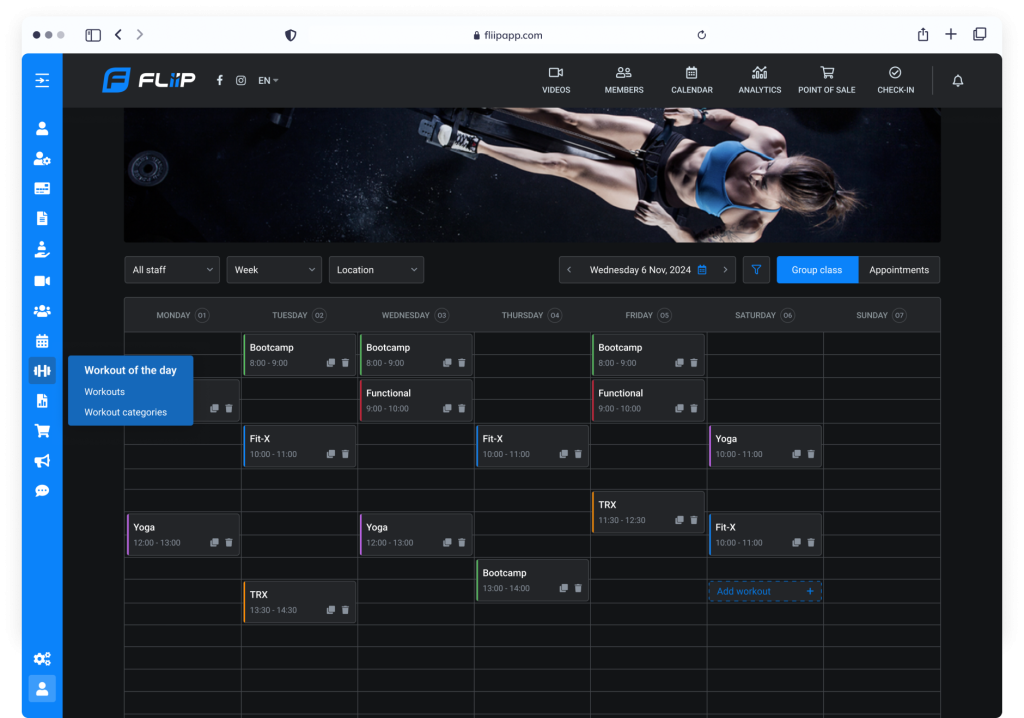
Create a Balanced Schedule
A successful group fitness program appeals to a variety of fitness levels, interests, and goals. Here’s how to balance your offerings:
- Core Classes: These are your foundation, yoga, Pilates, Zumba, and spin. They attract a broad audience and deliver consistent attendance.
- Trendy Formats: Introduce formats that tap into current fitness trends, like functional fitness, recovery-focused sessions, or hybrid classes combining strength and cardio. These options keep programming fresh and exciting.
- Specialty Classes: Cater to niche interests, like kickboxing, dance fitness, or postnatal yoga, to bring in members who are looking for something unique. Specialty classes also provide opportunities to charge premium rates or attract new demographics.
Optimize and Adapt Your Schedule
Once your classes are up and running, stay flexible. Attendance patterns shift, and trends evolve. Use these strategies to stay ahead:
- Monitor attendance data to identify which time slots work best for specific classes. For instance, if a 6 a.m. spin class consistently underperforms but an 8 a.m. one is packed, it’s time to adjust.
- Offer seasonal or pop-up classes to test new ideas without long-term commitment. Members might love a limited-time boot camp or holiday-themed yoga session.
- Refresh your lineup periodically. Even the most popular formats benefit from new instructors or slight variations to keep things interesting.
Elevate the Member Experience
The way you deliver group classes matters as much as the classes themselves. Members stay loyal when they feel connected and inspired.
- Engage Your Instructors: Charismatic, well-trained instructors are the heartbeat of any successful class. Invest in ongoing education and encourage them to bring their personality to every session.
- Build Community: Foster relationships among members by hosting post-class meetups or challenges like “Attend 10 classes this month.” This sense of belonging can be a powerful retention tool.
- Enhance the Environment: Great lighting, curated playlists, and well-maintained spaces can elevate the energy in any group class.
Use Technology to Your Advantage
Smart tools, like gym management software, make programming easier and more efficient:
- Track Class Popularity: Identify your top-performing classes and replicate their success in other time slots or locations.
- Simplify Booking: An easy-to-use app makes it simple for members to reserve spots and reduces no-shows.
- Get Feedback: Use surveys or post-class reviews within your software to gather valuable insights from members.
Successful commercial gyms don’t just offer group fitness, they invest in programming that excites, challenges, and brings people together. By staying creative, listening to your members, and continually refining your offerings, you can create classes that are a driving force behind your gym’s success.
7. Strong Digital Presence and Marketing Strategy
Your gym’s online presence is often the first interaction potential members have with your brand. Whether someone finds you through a Google search, an Instagram reel, or a Facebook recommendation, what they see online needs to match the energy and professionalism of your gym. A strong digital presence isn’t just about looking good, it’s about creating connections, building trust, and driving memberships.
We’ve worked with gym owners who felt stuck because they weren’t getting enough online visibility. After optimizing their website and running targeted campaigns on social media, they saw sign-ups increase almost immediately. The right digital strategy can do the same for you.
Your Website Is Your Foundation
A well-designed website makes it easy for potential members to learn about your gym and take action. If key details like class schedules, membership pricing, and contact information aren’t easy to find, visitors will move on quickly. A confusing or outdated site can create frustration, while a clear, user-friendly experience builds trust and encourages sign-ups.
Navigation should be seamless, with intuitive menus and clear calls to action like “Book a Free Trial” or “Join Now.” Every click should guide visitors toward the next step, whether that’s learning about your programs or signing up for a membership.
Since most people browse on their phones, a mobile-friendly design isn’t optional, it’s essential. A site that loads quickly and looks great on any device improves user experience and boosts SEO, making it easier for people to find your gym online. Investing in a modern, optimized website is just as important as having a well-organized gym floor, it shapes the first impression and sets the tone for the member experience.
Learn More: How to Increase Gym Website Conversions by Simplifying the Online Registration Process
Social Media Brings Your Gym to Life
Social media is one of the best ways to connect with members, attract new clients, and showcase what makes your gym stand out. Platforms like Instagram, Facebook, and TikTok bring your gym’s energy to life, making people feel like they’re part of the community before they even walk through the doors.
What works well:
✅ Member Highlights – Share success stories, whether it’s someone hitting a PR, completing a challenge, or making progress in their fitness journey. These posts build community and inspire others to stay committed.
✅ Behind-the-Scenes Content – Give people a look at the real, everyday moments inside your gym. Show trainers setting up for classes, staff celebrating milestones, or members pushing through tough workouts. It makes your gym feel more personal and approachable.
✅ Interactive Posts – Use polls, Q&A sessions, and “this or that” challenges to spark engagement. Asking simple questions like “What’s your favorite way to warm up?” or “Deadlifts or squats?” gets people involved and keeps your gym top of mind.
✅ Promotional Offers & Limited-Time Deals – Social media is a great place to run promotions that attract new members. Offer a free class trial, highlight seasonal discounts, or create referral challenges to encourage sign-ups. Posts like “Tag a friend who needs a workout buddy and get a free guest pass!” can generate excitement and bring in fresh leads.
Posting a few times a week with a mix of community-driven content and promotions can make a big difference. The key is consistency and authenticity, when people see the personality behind your gym, they’re more likely to feel connected and want to be part of it.
Build Trust Through Reviews
Online reviews play a huge role in shaping how potential members perceive your gym. People trust firsthand experiences from other members more than any marketing message, and a strong collection of positive reviews on Google, Yelp, or Facebook can boost both credibility and visibility.
Make it easy for happy members to share their experiences, send a quick follow-up email after a personal training session or a fitness challenge, or display a friendly reminder at the front desk. Many gym management software platforms, like FLiiP, allow you to automate review requests, sending members a quick prompt after check-ins or class attendance.
And don’t just collect reviews, engage with them. Thank members for positive feedback, and if you receive a negative review, respond professionally with a genuine effort to address concerns. A thoughtful response shows that you value feedback and are committed to creating the best experience possible.
Creative Marketing That Stands Out
Marketing is your chance to showcase what makes your gym unique and connect with the right audience. A well-planned campaign can do more than just attract attention, it can turn leads into loyal members. Here are a few effective ways to drive memberships:
- Seasonal Promotions – Tie special offers to key times of the year when people are most motivated to start or recommit to fitness. A “Spring Into Fitness” discount or a New Year’s Resolution Challenge can spark interest and encourage sign-ups.
- Referral Incentives – Your current members can be your best promoters. Encourage word-of-mouth growth by offering free classes, branded gear, or membership discounts when they refer friends. A simple "Bring a Friend for Free Week" can introduce potential members to your gym in a low-pressure way.
- Community Partnerships – Team up with local businesses, like smoothie bars, physical therapy clinics, or sports stores, to cross-promote services. Hosting joint events or offering discounts to each other’s customers expands your reach and builds goodwill.
Small, creative marketing efforts can make a big impact when done consistently. The key is to keep things fresh, relevant, and aligned with what your members value most.
Learn More: Gym Marketing Strategies to Attract and Retain Members Year-Round
Measure and Adjust
You don’t need to be a marketing expert to see what’s working. Look at the numbers, are people clicking on your ads, signing up online, or engaging with your posts? If something isn’t delivering results, tweak it. Digital marketing is all about testing and learning what resonates with your audience.
8. How Data Can Guide Your Gym’s Success
A successful commercial gym doesn’t run on guesswork, it runs on data. From understanding how members use your equipment to tracking attendance trends in group classes, data gives you the insights you need to make smarter decisions and improve your gym’s performance. The best part? You don’t need to be a data expert to make it work. With the right tools and a little focus, you can use data to transform how you manage your gym.
Here’s where data can make the biggest impact:
- Equipment Usage: Ever wonder which machines are pulling their weight and which are just taking up space? Usage data can tell you how often treadmills, ellipticals, or squat racks are being used. This helps you decide when to upgrade, repair, or even replace underutilized equipment with something your members will appreciate more.
- Class Attendance: Tracking attendance in group fitness classes shows you which sessions are thriving and which might need a refresh. If a yoga class at 8 p.m. consistently fills up while a 5 p.m. slot stays empty, you know where to adjust.
- Membership Trends: Monitoring new sign-ups, cancellations, and overall retention rates gives you a clear picture of your gym’s growth and helps identify any red flags before they become major problems.
Tools That Make Data Collection Easy
Gym management software is your best friend when it comes to gathering and analyzing data. Modern platforms (like FLiiP!) offer built-in tools for tracking everything from member check-ins to equipment usage and class bookings. These tools simplify the process, turning raw data into actionable insights you can actually use.
For example, if your software shows that members are consistently booking personal training sessions on Monday evenings, you can schedule more trainers during that time to maximize revenue and member satisfaction.
Using Data to Improve Member Retention
Retention is one of the biggest challenges for any gym, but data makes it much easier to address. Look for patterns in member behavior:
- Are there certain times of the year when cancellations spike? If so, you can introduce promotions or events to keep engagement high during those months.
- Are new members dropping off after three months? If yes, that’s a clear sign to focus on onboarding efforts or offer incentives to keep them past that critical period.
Keep It Simple: Focus on Actionable Metrics
Tracking data doesn’t have to be overwhelming or overly complicated. The key is to focus on a few impactful metrics that directly influence your gym’s operations and member experience. Here are three essential areas to start with:
1. Check-In Data: Understand Peak Times
Knowing when your gym is busiest allows you to plan more efficiently. For example:
- Staffing: Ensure you have enough staff available during peak hours to handle check-ins, assist members, and keep things running smoothly.
- Equipment Availability: If certain times create bottlenecks on popular machines, consider adjusting your layout or adding additional equipment.
- Off-Peak Promotions: Use data to identify slow periods and incentivize members to come in during quieter times with promotions or discounts.
2. Class Attendance: Optimize Programming
Tracking which classes consistently fill up (and which don’t) helps you refine your schedule. Focus on:
- Adding more slots for popular classes during high-demand times.
- Testing new formats during underperforming time slots to see what sticks.
- Rotating instructors to refresh classes that might be losing traction.
Gym management software makes it easy to see attendance trends over weeks or months. If evening yoga is a consistent hit, but early morning sessions stay half-full, you might shift focus to where demand is strongest.
3. Member Feedback: Hear It Straight from Your Audience
Direct input from your members is invaluable for improving their experience. Surveys, suggestion boxes, or quick post-class reviews can uncover small, actionable changes that make a big difference.
- Are members requesting more stretching space? Rearrange underused areas to accommodate them.
- Complaints about long waits for machines? It might be time to add duplicates of popular equipment.
- Do members feel like they aren’t progressing? Consider offering free assessments or goal-setting sessions to re-engage them.
You don’t need to track every metric under the sun to make a meaningful impact. Focus on these three key areas first and use the insights to make small, targeted improvements. Over time, these changes add up, creating a better experience for members and a more efficient operation to build a successful commercial gym.
9. Staff Excellence for a Successful Commercial Gym
Even the best-equipped gym can’t thrive without a great team behind it. Your staff is the face of your business, and their attitude, knowledge, and professionalism can make or break your gym’s reputation. A successful commercial gym is built on a foundation of staff who are not only skilled but also genuinely invested in creating an exceptional experience for members.
Members interact with your team every day, at the front desk, during classes, or in one-on-one personal training sessions. These interactions leave a lasting impression. A knowledgeable, friendly trainer can turn a frustrated first-timer into a long-term member. On the other hand, a dismissive or unengaged staff member might push someone to cancel their membership after just a few visits.
We’ve seen gyms that introduced monthly team training sessions see immediate results. Staff who felt supported and confident in their roles became more proactive with members. Trainers were better prepared to guide clients, and front desk associates created warmer, more welcoming first impressions, all of which translated to stronger retention and glowing reviews.
What Sets Great Staff Apart
The best gym teams share a few key traits:
- Knowledgeable and Approachable: Members should feel comfortable asking for advice or help. Staff who know their stuff but aren’t intimidating create a welcoming vibe.
- Passionate About Fitness: Members can sense when a trainer genuinely loves what they do. That energy is contagious and helps build a sense of community.
- Reliable and Professional: Whether it’s showing up on time, keeping the gym tidy, or following through on member concerns, professionalism builds trust and keeps your operations smooth.
How to Build a Winning Team
Creating a high-performing team starts with smart hiring and continues with thoughtful development.
- Hire for Attitude, Train for SkillsPassion and personality can’t be taught, so look for candidates who bring those qualities naturally. Ask situational questions during interviews, like:
- How would you handle a member upset about a broken machine?
- What’s your approach to motivating someone new to fitness?
- Provide Clear OnboardingA strong onboarding process makes a difference. Walking new hires through your gym’s values, expectations, and daily operations ensures they’re prepared from day one. We’ve seen gyms that include role-playing exercises during onboarding, like handling difficult member requests, set their staff up for success.
- Invest in Ongoing DevelopmentGreat teams don’t stay great without growth. Offer opportunities for certifications, workshops, or even shadowing experienced trainers. For instance, some gyms we’ve worked with host quarterly training sessions on topics like the latest fitness trends, customer service, or conflict resolution. These sessions not only boost skills but also build team camaraderie.
- Recognize and Reward EffortA little recognition goes a long way. Whether it’s a shout-out in a team meeting, a bonus for exceeding sales goals, or a small perk like a coffee gift card, acknowledging hard work keeps morale high.
Creating a Positive Culture
A strong team culture doesn’t just happen, it’s built intentionally. When staff feel valued and supported, they’re more motivated to deliver great service. Encourage open communication, celebrate wins together, and create opportunities for team bonding. We’ve seen gyms organize informal team workouts or monthly socials to build connections outside the workplace, and it made staff collaboration stronger on the floor.
Your staff are more than employees, they’re the heart of your gym. When you invest in their growth, treat them with respect, and create an environment where they feel empowered, it shows. Members pick up on the energy your team brings, and a positive, engaged staff can turn a good gym into a successful commercial gym.
10. Member Retention Strategies
It’s often said that keeping a member is more cost-effective than acquiring a new one, and this couldn’t be truer for gyms. A successful commercial gym doesn’t just focus on getting new members through the door, it prioritizes keeping the ones it already has. Retention is the backbone of steady revenue and long-term success, and the key lies in building lasting relationships with your members.
Retaining members isn’t just good for your bottom line; it’s a sign that your gym is doing things right. When members stay, it means they feel valued, are achieving their goals, and see your gym as an integral part of their lives. On the flip side, high turnover rates often point to unresolved pain points, like lack of engagement, poor customer service, or unmet expectations.
Proven Strategies to Improve Retention
Here’s how you can boost member retention in your gym:
- Make Onboarding Personal:
First impressions matter, and the way you welcome new members sets the tone for their experience.- Offer a free one-on-one orientation session to show them around and discuss their fitness goals.
- Follow up with a welcome email or text that includes tips for getting the most out of your gym.
- Track Progress and Celebrate Milestones:
People stay motivated when they see results. Help members track their progress through regular assessments or fitness tracking tools. Celebrate milestones, whether it’s a personal record in the squat rack or completing their first group class, with small rewards or shout-outs. - Keep Communication Consistent:
Stay in touch with members through newsletters, app notifications, or personalized messages. Share updates about new classes, promotions, or even a simple check-in to ask how they’re doing. - Offer Loyalty Programs:
Reward long-term members with perks like free guest passes, discounts on personal training, or exclusive access to special events. A little appreciation goes a long way in showing members you value their loyalty. - Create a Community:
Members who feel connected to your gym’s community are far more likely to stay. Foster this connection through:- Group classes that encourage camaraderie.
- Social events like member appreciation nights or charity fitness challenges.
- Online groups or forums where members can interact and support each other.
- Act on Feedback:
Members want to know their voices are heard. Use surveys or suggestion boxes to gather input, and follow up with visible changes based on what they share. Even small adjustments, like adding more evening classes or fixing frequently broken equipment, show you’re listening.
Addressing Retention Red Flags 🚩
Retention issues don’t happen overnight, and the sooner you address them, the better. Here are some signs to watch for:
- Decreased Attendance: If members stop showing up, it’s a clear warning sign. Use check-in data to identify those who haven’t been in for a while and reach out with a friendly message.
- Lapsed Engagement: If members stop attending classes or using certain amenities, consider re-engaging them with tailored offers or check-ins.
- Membership Cancellations: Look for patterns, are cancellations happening at a certain time in a member’s journey? This data can help you refine your approach.
Retention is about more than just numbers, it’s about relationships. A successful commercial gym builds loyalty through personal touches, consistent communication, and a strong sense of community. By focusing on what keeps members happy, engaged, and motivated, you’re not only ensuring steady revenue but also creating a gym that people love being part of.
Conclusion: Success is Built on the Details
A truly successful commercial gym goes beyond being just a place to work out. It’s where members feel supported, find their motivation, and build connections that keep them coming back. Every decision you make, whether it’s the layout of your space, the classes you offer, or how you engage your members, plays a role in creating an environment people love to be part of.
The good news? You don’t have to do it all alone. With the right tools and strategies, you can make better decisions, save time, and focus on what really matters, your members. That’s where FLiiP comes in. From tracking data to streamlining operations, it’s designed to help gyms like yours grow while keeping things simple and effective.
Book a free 30-minute call to learn how FLiiP can help you take what’s working and scale it for a successful commercial gym!