New vs. Used Commercial Gym Equipment: Pros & Cons
Investing in gym equipment is one of the biggest decisions you’ll make as a gym owner. The question is: Should you buy brand-new machines or go with used commercial gym equipment? Both options have their advantages, and the right choice depends on your budget, business goals, and long-term plans.
We’ve had plenty of conversations with gym owners who’ve wrestled with this decision. Some swear by the reliability of new equipment, while others have saved thousands by sourcing high-quality used machines. The truth is, there’s no one-size-fits-all answer, but there are key factors that can help you decide what’s best for your gym.
In this article, we’ll break down the real pros and cons of new vs. used commercial gym equipment so you can make an informed decision that fits your business.
1. Cost Considerations
One of the biggest factors in deciding between new and used commercial gym equipment is cost. Gym owners, especially those just starting out, need to make every dollar count, and equipment takes up a huge chunk of the budget.
New Equipment: Higher Upfront Cost, Long-Term Reliability
Buying new means a bigger upfront investment, but it also comes with peace of mind. You’re getting brand-new, factory-tested machines with warranties, ensuring they’ll function smoothly for years with minimal maintenance. If your gym is positioning itself as a premium facility, investing in new equipment can reinforce that image and attract members who expect the latest and greatest machines.
On the downside, high costs can eat into your budget, leaving less room for other expenses like marketing, staffing, or facility upgrades. While financing and leasing options help spread out payments, they still lock you into long-term commitments.
Used Equipment: Budget-Friendly, But With Trade-Offs
For gyms looking to stretch their budget, used commercial gym equipment can be a game-changer. You can often get high-end machines at a fraction of their original cost, allowing you to invest in more equipment or allocate funds elsewhere.
But, of course, there’s a catch. The price tag might be lower, but used equipment comes with unknowns. The condition varies, some machines are well-maintained, while others might have hidden wear and tear that leads to costly repairs. Warranties are either limited or nonexistent, so if something breaks down, it’s on you to fix it.
What to Consider
- What’s your budget? If cash flow is tight, starting with high-quality used equipment might make sense.
- What image are you going for? A high-end gym with brand-new equipment can justify premium membership prices.
- Are you prepared for potential maintenance costs? Used machines may need more repairs, so factor that into your long-term budget.
- Would leasing be a better option? If you want new equipment but don’t want to drain your budget, leasing could be a middle ground.
For many gym owners, a hybrid approach works best, buying new for essential, high-traffic machines (like treadmills and squat racks) and mixing in used equipment where it makes sense.
Learn More: Everything You Need to Know About Commercial Gyms in 2025
2. Equipment Condition and Lifespan
The lifespan of your gym equipment directly impacts long-term costs and member experience. Whether you go with new or used commercial gym equipment, durability and performance should always be top priorities.
New Equipment: Reliable and Low Maintenance
Brand-new machines come straight from the manufacturer in perfect condition, meaning zero wear and tear and no hidden mechanical issues. They typically require less maintenance in the first few years, reducing the risk of unexpected breakdowns that could disrupt your gym’s operations.
On top of that, modern gym equipment is built with better durability, often featuring improved materials and engineering. This means your investment lasts longer before needing major repairs or replacements. If your gym experiences heavy daily usage, like in a high-traffic commercial facility, new equipment could save you money in the long run.
Used Equipment: More Affordable, But Quality Varies
Not all used gym equipment is the same. Some machines were barely used before being resold, while others have been through years of daily abuse. That’s why where you buy matters. A reputable equipment reseller that refurbishes machines before resale is a much safer bet than picking up random machines off an online marketplace.
Signs of a good used equipment deal:
- The machine has been refurbished (new cables, belts, and mechanical parts replaced).
- The seller provides some type of warranty or return policy.
- The brand is known for long-lasting durability (some high-end gym machines can last 10+ years).
On the other hand, a bad used equipment deal can lead to:
- Frequent breakdowns that frustrate members and cost more in repairs.
- Limited availability of replacement parts, especially for older models.
- Inconsistent performance, which can hurt the member experience.
What to Consider
- How often will the equipment be used? High-traffic gyms may benefit more from new machines, while lower-traffic facilities can make used equipment work.
- Are you buying from a reputable seller? Avoid taking risks with equipment that hasn’t been properly inspected or refurbished.
- What’s your long-term maintenance plan? Used equipment might require more frequent servicing, so budget for potential repairs.
For gym owners looking to save money without sacrificing quality, buying used from a trusted reseller (rather than an individual seller) can be a smart move. Some gyms even mix new and used machines, purchasing new for high-use cardio machines and opting for used strength equipment, which typically has fewer mechanical parts to worry about.
3. Warranty and Support
One of the biggest advantages of buying new commercial gym equipment is the warranty and customer support that comes with it. With used equipment, warranties are either limited or nonexistent, which means repairs and replacements fall entirely on you.
New Equipment: Peace of Mind with Full Coverage
Brand-new gym equipment typically includes manufacturer warranties, which can range from one to ten years, depending on the brand and type of machine. This coverage often includes:
- Parts and labor for mechanical failures
- On-site repairs or replacements
- Customer support for troubleshooting
Having a warranty means fewer unexpected expenses, which can be a lifesaver for a gym with tight margins. Plus, new machines often come with service plans, where technicians handle routine maintenance, helping you avoid breakdowns before they happen.
Used Equipment: Limited or No Warranty
When purchasing used commercial gym equipment, warranties are rarely included unless you buy from a professional refurbisher. Some resellers offer short-term warranties (30 to 90 days), but after that, repairs are your responsibility. If you’re sourcing equipment from an individual seller, expect an "as-is" deal with zero guarantees.
This isn’t necessarily a dealbreaker, but it does mean you need to do your due diligence before buying:
- Check the machine’s maintenance history (if available).
- Look for brands known for durability, some high-end gym machines are built to last even without a warranty.
- Consider the availability of replacement parts, older models may be harder (and more expensive) to repair.
What to Consider
- Can you afford unexpected repair costs? If not, new equipment with a warranty may be the safer bet.
- Are you buying from a professional reseller? Some companies refurbish used equipment and offer short-term coverage, which is better than buying "as-is."
- What’s the expected lifespan of the equipment? If a machine is nearing the end of its usable life, a lack of warranty could lead to costly replacements sooner than expected.
Many gym owners mix both options, buying new for high-use machines like treadmills (where warranties and repairs matter most) and used for simpler strength equipment that’s less likely to break down.
Learn More: 10 Factors That Make a Successful Commercial Gym
4. Technology and Features
Modern gym equipment is evolving fast, with touchscreens, app integrations, and real-time performance tracking becoming standard on many machines. Whether you need the latest tech depends on your gym’s target audience and the experience you want to provide.
New Equipment: Cutting-Edge Features and Smart Integrations
Buying new means access to the latest technology, including:
- Interactive touchscreens with virtual coaching and live classes.
- Bluetooth and app connectivity for tracking workouts.
- Performance analytics for both members and gym owners.
These features enhance the member experience, especially for boutique studios and high-end gyms where personalization and tech-driven engagement are selling points. However, newer tech also comes with higher costs and potential maintenance challenges, as advanced consoles and screens are more prone to malfunctions than traditional machines.
Used Equipment: Reliable, But Less Advanced
Most used commercial gym equipment won’t have the latest high-tech features, but that doesn’t mean it’s outdated. Many strength machines, squat racks, and free weights function just as well whether they were made five years ago or yesterday.
For cardio equipment, slightly older models may lack touchscreens or app syncing, but they still deliver on core performance. Some members even prefer simpler machines without distractions, especially those focused on strength training or functional fitness.
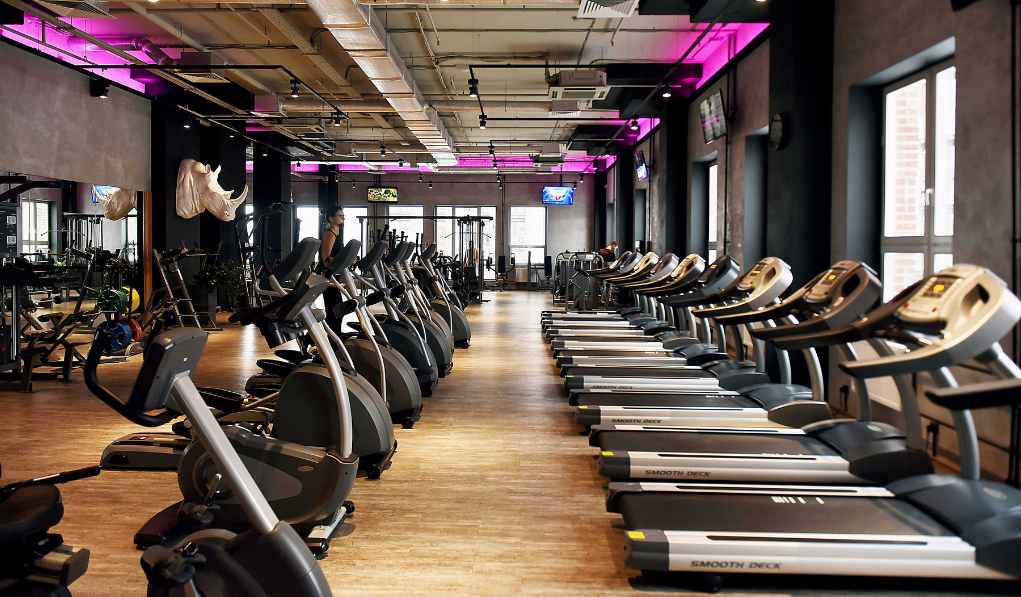
What to Consider
- Does your gym’s brand rely on cutting-edge tech? If yes, new equipment may be worth the investment.
- Are your members asking for it? If they value simplicity over screens, used machines might be a better fit.
- Can you upgrade used equipment? Some older machines allow retrofit upgrades, like adding TV screens or digital tracking systems.
For many gyms, a hybrid approach works best, investing in new tech-heavy machines where it adds value (like high-end cardio) while using reliable, used strength equipment that doesn’t need bells and whistles.
5. Member Perception and Experience
The quality and condition of your equipment play a huge role in how members perceive your gym. Whether you choose new or used commercial gym equipment, the key is ensuring it looks and functions well enough to keep members engaged and satisfied.
New Equipment: A Premium Feel That Attracts Members
Brand-new machines make a strong first impression. They look sleek, operate smoothly, and give members confidence that they’re using high-quality equipment. If your gym positions itself as a premium or boutique facility, new equipment can reinforce that image and justify higher membership fees.
Members also associate new equipment with cleanliness, safety, and innovation, which can be a strong selling point when attracting new clients. However, just because the equipment is new doesn’t mean it doesn’t require maintenance, without proper upkeep, even the best machines can start showing wear quickly.
Used Equipment: Works Just as Well, If Maintained Properly
Most members don’t care if a machine is new or used, they care if it works properly and feels good to use. Well-maintained, clean, and fully functional used commercial gym equipment won’t raise any red flags for the majority of gym-goers. However, poorly maintained machines with peeling upholstery, rusted frames, or malfunctioning consoles can make your gym look neglected.
If you choose used equipment, regular upkeep is non-negotiable. Touch-ups like replacing worn-out pads, repainting chipped areas, and ensuring everything runs smoothly can go a long way in maintaining a professional look and feel.
What to Consider
- What expectations do your members have? A high-end gym may benefit more from new equipment, while budget-friendly or specialized gyms can get away with well-kept used machines.
- How visible is wear and tear? Some wear (like fading logos) won’t matter, but broken seats or glitchy screens can negatively impact perception.
- Are you willing to invest in maintenance? Used equipment can last for years if properly maintained, neglecting it, however, can make your gym feel outdated fast.
Many successful gyms mix both new and used equipment, keeping high-impact areas looking fresh while saving money on machines that don’t show wear as quickly.
Learn More: Top Commercial Gym Equipment In 2025
6. Environmental Impact
Sustainability is becoming a bigger priority in the fitness industry, and your choice between new and used commercial gym equipment can play a role in your gym’s environmental footprint. If your gym promotes eco-conscious values, factoring in sustainability might help you stand out while reducing long-term waste.
Used Equipment: A More Sustainable Option
Choosing used commercial gym equipment extends the lifespan of machines that might otherwise end up in landfills. Instead of contributing to manufacturing demand for new equipment, gyms that buy refurbished or secondhand machines reduce waste and help lower the environmental impact of production.
This can also be a great marketing angle for gyms looking to appeal to eco-conscious members. Highlighting sustainability efforts, such as repurposing equipment, using recycled rubber flooring, or investing in energy-efficient lighting, can resonate with environmentally aware audiences.
New Equipment: More Waste, But Increasingly Eco-Friendly
The downside of buying new is that it creates more waste, from manufacturing emissions to packaging and shipping materials. However, many fitness equipment brands are now focusing on sustainable production, offering:
- Self-powered cardio machines (like treadmills that generate electricity as members use them).
- Recycled materials in strength equipment and flooring.
- More energy-efficient electronic components in connected fitness machines.
If sustainability is a major focus for your gym, choosing eco-friendly new equipment or high-quality used machines can help minimize your impact.
What to Consider
- Is sustainability part of your gym’s brand? If so, used equipment could reinforce that message.
- Are there energy-efficient new options? Some new machines are designed to be more sustainable in the long run.
- Can you repurpose existing equipment? Instead of replacing everything, upgrading or refurbishing machines can strike a balance between sustainability and functionality.
Many gyms today opt for a hybrid approach, incorporating used commercial gym equipment alongside newer, energy-efficient machines to reduce waste while keeping their gym up to date.
7. Resale and Trade-In Value
Gym equipment is a big investment, and at some point, you may want to upgrade, replace, or resell certain machines. Whether you choose new or used commercial gym equipment, it’s important to consider how well it holds its value over time.
New Equipment: Higher Resale Value and Trade-In Options
Brand-new machines depreciate as soon as they’re used, but they generally retain value better than older models. High-end brands with strong reputations, like Life Fitness, or Precor, tend to have better resale value because they’re built to last and remain in demand.
Many manufacturers and fitness equipment suppliers also offer trade-in programs, allowing you to exchange older machines for credit toward new purchases. This can make it easier to upgrade your gym without taking a massive financial hit.
Used Equipment: Lower Cost, But Less Resale Value
If you purchase used commercial gym equipment, it’s likely already gone through its biggest depreciation phase. This means you won’t lose as much money if you decide to resell it later, but it also means the resale price may be significantly lower than what you paid, especially if the equipment is several years old.
Some equipment, like plate-loaded machines, squat racks, and free weights, hold their value well over time because they don’t rely on electronics or moving parts that can wear out. On the other hand, cardio machines with screens and digital consoles may lose resale value faster as newer, more advanced models hit the market.
What to Consider
- Do you plan to upgrade frequently? If so, new equipment with trade-in options may be a smarter long-term investment.
- Is the equipment likely to hold value? Strength equipment generally has a longer resale lifespan than cardio machines.
- Are there local buyers for used equipment? Some gym owners find it easy to sell used machines within their local fitness community, while others prefer working with professional resellers.
For many gyms, a mix of new and used commercial gym equipment offers the best balance, investing in new machines for high-tech cardio options while relying on used strength equipment that holds value longer.
8. Final Verdict: Which One Is Right for Your Gym?
There’s no one-size-fits-all answer when choosing between new and used commercial gym equipment. The best option depends on your budget, business goals, and the type of experience you want to create for your members.
When New Equipment Makes Sense
✅ You want the latest technology, smart tracking, and interactive features.
✅ Your gym’s brand is built on a high-end, premium experience.
✅ Long-term warranties and lower maintenance costs are a priority.
✅ You plan to upgrade frequently and take advantage of trade-in programs.
When Used Equipment Is the Better Choice
✅ You’re working with a tighter budget but still want commercial-grade machines.
✅ Sustainability and reducing waste align with your gym’s values.
✅ Your focus is on durable, functional equipment over high-tech features.
✅ You can buy from a trusted reseller with quality refurbishing and warranties.
For many gym owners, the best approach is a hybrid model, investing in new equipment for high-tech cardio machines while using high-quality used options for strength training and durable pieces like squat racks and free weights.
Conclusion: Make the Smartest Investment for Your Gym
Choosing between new and used commercial gym equipment comes down to what fits your budget, brand, and long-term goals. New equipment offers cutting-edge features and reliability, while used equipment can save money without sacrificing quality, if you buy from a trusted source.
For most gyms, the best approach is a mix of both: invest in new machines where technology and warranties matter most and use high-quality refurbished equipment for durable, long-lasting pieces like strength machines and free weights.
No matter which route you take, the key is keeping equipment well-maintained, functional, and aligned with your members’ needs. A well-equipped gym isn’t just about machines, it’s about the experience you create and the value you provide.
How FLiiP Can Help
Managing a gym goes beyond just choosing the right equipment, you also have to juggle member retention, scheduling, payments, and day-to-day operations. That’s where FLiiP comes in. Our gym management software automates the admin work, so you have more time to focus on bigger decisions, like investing in the right equipment, keeping members happy, and growing your business.
Let’s chat about how FLiiP can help you simplify gym management and free up your time for what matters most.