Everything You Need to Know About Commercial Gyms in 2025
Running a commercial gym can be incredibly rewarding, but it’s no easy task. Managing operational costs, leading a team, and keeping members engaged requires more than just great equipment or trendy classes. Building a successful gym means creating a space people value while ensuring every aspect of the business runs efficiently.
We’ve worked with gym owners who’ve transformed their facilities into thriving communities where members feel supported and inspired. We’ve also seen entrepreneurs just starting out, ready to bring their vision of the ideal gym to life. Whether you’re already running a gym or preparing to open your first one, success depends on having the right strategy, tools, and understanding of what sets great gyms apart.
This guide combines real-world experience and industry expertise to help you excel in the commercial gym space. From the basics of what makes a gym successful to the latest trends shaping the industry, you’ll find everything you need to turn your business idea into a fitness powerhouse.
What is a Commercial Gym?
A commercial gym isn’t just a place to work out; it’s a business built to cater to a wide range of fitness needs while generating consistent revenue. Over the years, we’ve seen commercial gyms transform from basic weight rooms into multifaceted spaces offering everything from strength equipment and cardio zones to group fitness classes and recovery lounges. These gyms are designed to bring together beginners, fitness enthusiasts, and even seasoned athletes, all under one roof.
Unlike boutique studios that focus on a single niche, like yoga, pilates, or spin, commercial gyms stand out for their versatility. One owner we worked with summed it up perfectly: “My goal was to create a space where a powerlifter and a first-time gym-goer could both feel equally at home.” That’s the magic of a well-run commercial gym. It offers something for everyone while keeping the business running smoothly in the background.
Membership Models in Commercial Gyms
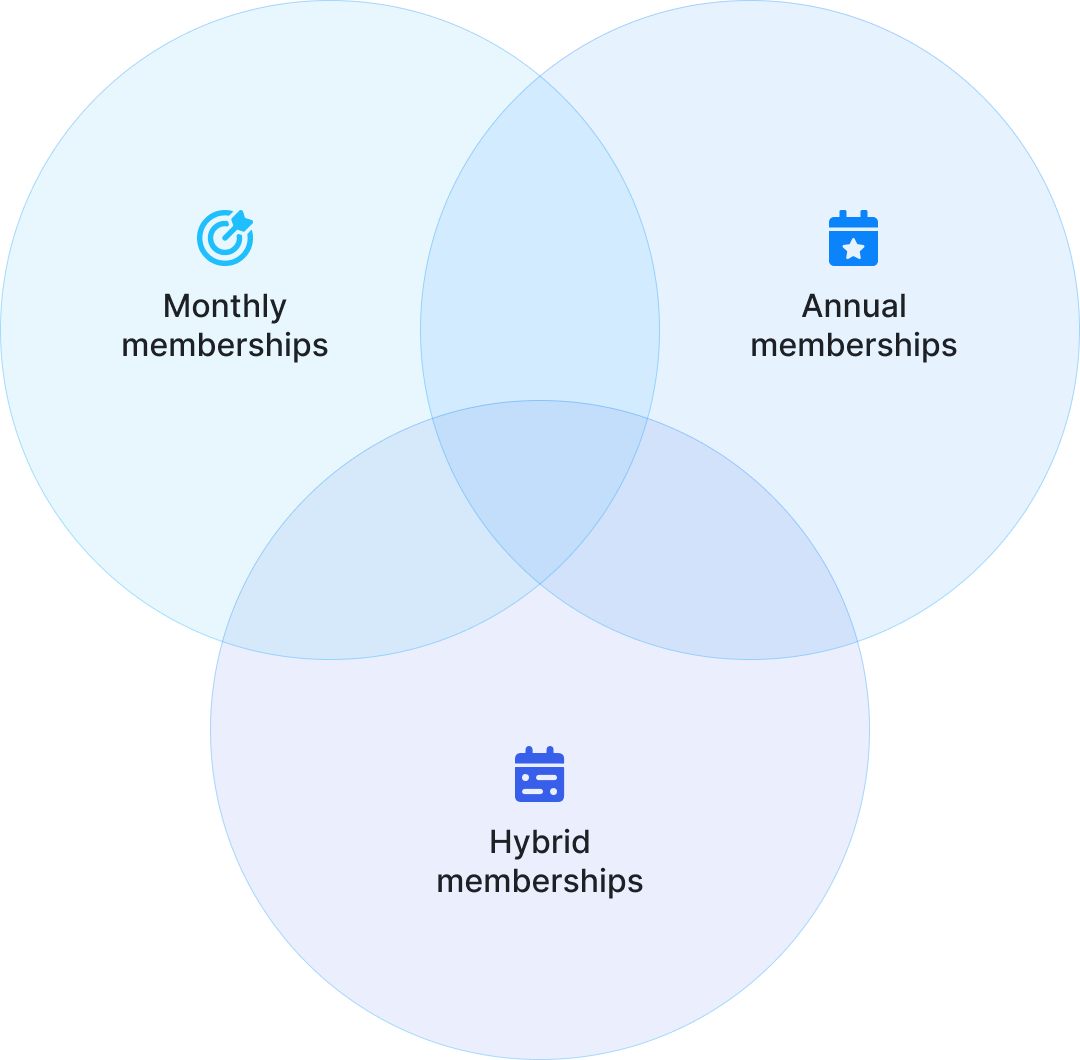
Memberships are the backbone of a commercial gym’s success. Owners typically choose from a few proven models:
- Monthly Memberships: Flexible and accessible; these work well for younger or transient populations.
- Annual Contracts: Reliable for steady revenue, especially when paired with incentives like discounted rates or added perks.
- Hybrid Memberships: A must-have in 2025, combining in-person access with digital offerings like on-demand workouts or virtual coaching.
We’ve worked with gym owners across different markets, and the most successful ones are those who align their membership options with their audience. For instance, one urban gym we consulted thrived by offering flexible month-to-month plans for busy professionals. At the same time, a suburban location saw great results by focusing on family memberships with built-in childcare options.
Why Commercial Gyms Stand Out
Commercial gyms' adaptability makes them such a cornerstone in the fitness industry. They can accommodate diverse goals, whether someone is training for a marathon, recovering from an injury, or simply looking to lose a few pounds. Their ability to evolve with industry trends, like adding functional fitness areas or incorporating wearable tech, ensures they stay competitive.
Owners who succeed in this space know that running a gym isn’t just about filling a room with equipment. It’s about creating a space where members feel supported and valued. From optimizing gym layouts to investing in tools like gym management software, the most effective operators equally focus on efficiency and member satisfaction.
Characteristics of a Commercial Gym
Every successful commercial gym shares a few essential characteristics. Beyond offering modern equipment, they focus on creating a well-organized, welcoming, and efficient environment for members and staff. From the layout to the amenities, the details matter more than you might think.
Size and Layout
The size of a commercial gym can vary widely, but most fall between 10,000 and 70,000 square feet. Larger gyms often dedicate space to specialized areas:
- Cardio Zones: Rows of treadmills, ellipticals, and bikes to handle peak-time crowds.
- Strength Training Areas: Free weights, machines, and functional fitness equipment like kettlebells or squat racks.
- Studios for Group Classes: Whether it’s yoga, Zumba, or spin, having dedicated spaces creates an inviting environment.
- Recovery Areas: Saunas, massage chairs, or even cryotherapy setups can elevate the member experience.
I once visited a gym with an amazing flow, cardio machines near the entrance, strength training in the middle, and recovery tucked away in a quieter corner. The owner explained, “We wanted members to feel energized as soon as they walked in, but we also made sure recovery areas felt like a retreat.” Thoughtful layouts like this can make a gym feel larger and more accessible, even during peak hours.
Diverse Membership Base
Commercial gyms cater to a wide range of people, and that diversity is both a strength and a challenge. The most successful gyms create offerings that appeal to everyone:
- Beginners: Often looking for guidance through group classes or intro sessions with a trainer.
- Fitness Enthusiasts: Want access to top-tier equipment and a variety of programs to keep things fresh.
- Families: Appreciate extras like childcare services or family membership packages.
One gym owner we worked with ran a simple survey to learn more about their members. They discovered that half of their audience consisted of beginners who felt intimidated by the free-weight area. By adjusting the layout and adding signage with tips for using equipment, they made the space more inviting, and saw membership retention improve within months!
Features and Amenities
Members expect more from a commercial gym than just equipment, especially in 2025. The right amenities can set you apart from competitors:
- Standard Offerings: High-quality cardio machines, free weights, locker rooms, and showers.
- Premium Add-Ons: Wellness services like massage therapy, saunas, or smoothie bars.
- Technology Integration: Apps for class bookings, digital check-ins, or virtual coaching programs.
One trend we’ve noticed is the rise of hybrid amenities. Gyms are combining physical spaces with digital tools, like offering live-streamed classes from their group fitness studios or integrating member wearables with gym apps to track progress. These additions aren’t just trendy, they’re becoming expectations for many members.
Is a Commercial Gym a Good Investment?
A commercial gym can be a lucrative investment, but success depends on more than just passion for fitness. It requires a strong business plan, a clear market understanding, and wise financial management. With the right approach, a commercial gym can generate impressive returns, but you have to know what to expect before diving in.0
Why Commercial Gyms Have High Potential
The fitness industry continues to grow, with global revenues projected to exceed $100 billion annually by 2025. While trends like home workouts and boutique studios have shifted the landscape, commercial gyms remain a cornerstone because of their versatility and ability to cater to a wide audience. Members seek out the variety of equipment, group classes, and community that only a gym can provide.
The real strength of a commercial gym lies in its ability to diversify revenue streams. Memberships are the foundation, but additional services like personal training, small group programs, retail sales, and premium amenities (e.g., saunas, smoothie bars, or recovery lounges) can significantly boost revenue.
What to Expect in Terms of ROI
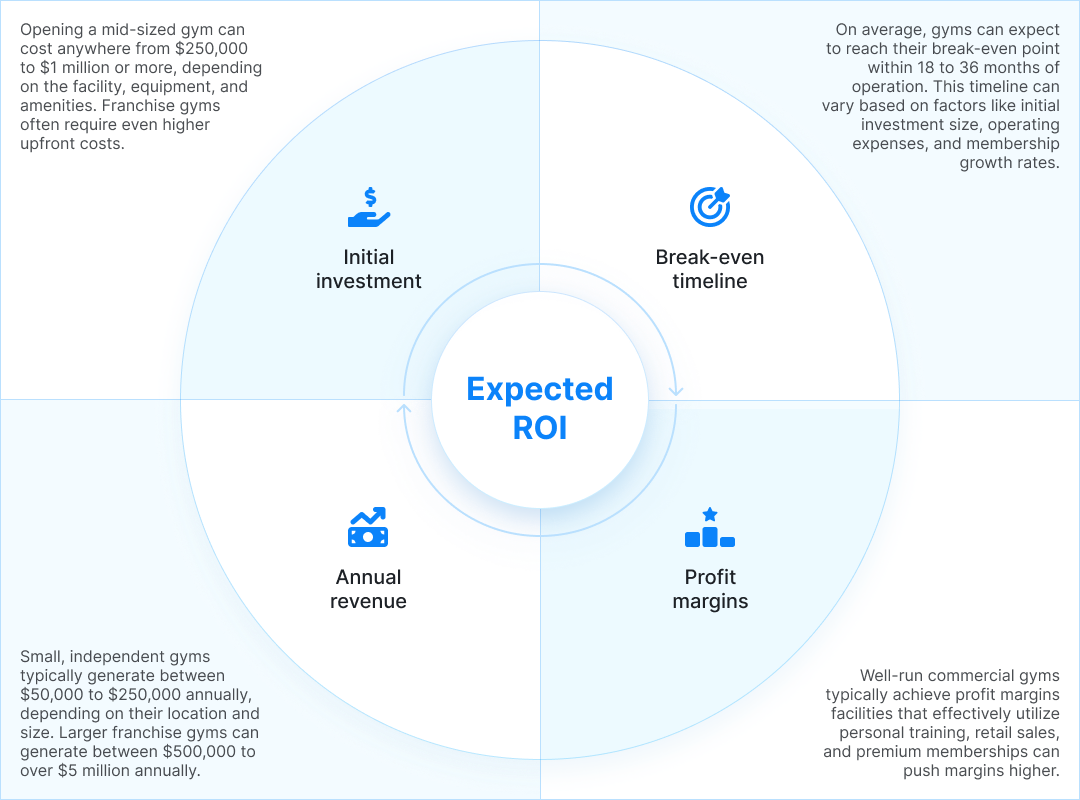
The return on investment for a commercial gym can vary widely depending on factors like location, size, pricing strategy, and operating costs. Here’s a deeper look at what to expect:
Initial Investment
Opening a mid-sized gym can cost anywhere from $250,000 to $1 million or more, depending on the facility, equipment, and amenities. Franchise gyms often require even higher upfront costs.
Break-Even Timeline
On average, gyms can expect to reach their break-even point within 18 to 36 months of operation. This timeline can vary based on factors like initial investment size, operating expenses, and membership growth rates.
Profit Margins
Well-run commercial gyms typically achieve profit margins of 10% to 20%. High-performing facilities that effectively utilize personal training, retail sales, and premium memberships can push margins higher.
Annual Revenue
For single-location gyms, the annual revenue can vary widely. Small, independent gyms typically generate between $50,000 to $250,000 annually, depending on their location and size. Larger franchise gyms, such as Gold's Gym and 24 Hour Fitness, can generate between $500,000 to over $5 million annually. Multi-location gyms or franchises can easily surpass these numbers with economies of scale and shared operational efficiencies.
Factors That Influence ROI
- Member Retention: Keeping existing members is far more cost-effective than constantly acquiring new ones. Tools like gym management software can help track engagement, automate reminders, and personalize the member experience, leading to higher retention rates.
- Market Fit: The gym’s concept must align with the target market. A high-end gym with premium amenities works best in affluent neighborhoods, while a budget-friendly gym thrives in areas with cost-conscious consumers.
- Operational Efficiency: Controlling expenses like payroll, utilities, and maintenance is critical. We’ve seen gyms save tens of thousands annually by using data from their management software to optimize staffing and energy usage.
Is It Worth It?
If managed effectively, a commercial gym can yield strong returns while creating a valuable asset. Success requires balancing upfront costs with long-term strategy and leveraging tools that streamline operations. For gym owners willing to invest time, energy, and resources into building a well-run facility, the financial and personal rewards can be substantial.
The Cost of Operating a Commercial Gym
Running a commercial gym is like training for a marathon, you’re pacing your expenses, pushing for revenue gains, and adjusting your strategy to keep everything moving toward the finish line. While the numbers can be intimidating, knowing where your money is going and how to manage costs can save you a lot of headaches (and dollars) down the road.
Upfront Costs
Starting a commercial gym is no small investment, and the initial costs often surprise first-time owners. Here’s what you can expect:
- Facility Build-Out: Transforming an empty space into a fully functional gym isn’t cheap. Depending on the size and location, you’re looking at $50 to $150 per square foot for renovations. For a mid-sized gym, this adds up fast, $500,000 to $1.5 million isn’t uncommon.
- Equipment: Cardio machines, free weights, squat racks, it all adds up. Outfitting your gym with quality equipment will likely cost between $100,000 and $300,000, depending on how high-tech or specialized you want to go.
- Technology: Software might not seem like a priority at first, but it’s one of the smartest investments you can make. Investing in gym management tools like FLiiP can run from $1300 annually but pays off in time saved, better retention rates, and a smoother operation that allows you to focus on growing your business.
Ongoing Expenses
Once the doors open, the real work, and spending, begins. Here are the main costs to plan for:
- Payroll: Your team is the backbone of your gym, but salaries can take up 30% to 50% of your budget. Trainers, instructors, front desk staff, and cleaners all add up, especially if you’re running a 24/7 facility.
- Utilities: Gyms are energy guzzlers. Between the AC blasting in the summer and treadmills running all day, expect your utility bills to be significant. Switching to energy-efficient machines or LED lighting can help cut costs.
- Maintenance and Repairs: If you’ve ever dealt with a broken treadmill during peak hours, you know the pain of maintenance delays. Set aside $5,000 to $10,000 annually to keep your equipment in top shape.
- Marketing: Whether it’s running Facebook ads, hosting a community event, or offering free trials, marketing is an essential cost. Depending on your goals, plan to spend around 5-12% of your total revenue to stay visible and attract new members.
Hidden Costs That Sneak Up on You
Even the best planners get blindsided by hidden expenses. These are the ones we see catch gym owners off guard most often:
- Member Churn: Losing members faster than you’re gaining them isn’t just stressful, it’s expensive. Tools like automated retention systems can help you stay connected with members and reduce churn.
- Insurance: Liability insurance is a must-have, and it’s not cheap. Plan for $5,000 to $10,000 annually to cover your facility and operations.
- Equipment Replacement: That fancy treadmill won’t last forever. After about 5–7 years, you’ll need to start replacing big-ticket items. Planning for this upfront can save you from scrambling later.
Cutting Costs Without Sacrificing Quality
Being budget-conscious doesn’t mean skimping on quality. The best gym owners find creative ways to save while still delivering a premium experience:
- Automate Where You Can: Gym management software can handle scheduling, billing, and member communications, freeing up staff for other tasks.
- Go Green: Energy-efficient equipment and LED lighting aren’t just eco-friendly, they’re wallet-friendly too.
- Upsell Strategically: Personal training, retail products, and premium memberships can increase revenue without requiring major investments.
The truth is, running a commercial gym is a constant exercise in balancing the books. But with the right strategy and a focus on efficiency, you can manage costs while delivering an exceptional experience for your members.
Tools and Purchases Needed to Run a Commercial Gym Successfully
Having the right tools and equipment can mean the difference between a gym running smoothly and one constantly putting out fires. From high-quality machines to software that keeps operations on track, investing in the right resources is essential for long-term success.
Essential Equipment
The foundation of any commercial gym is its equipment. Members expect access to tools that match their fitness goals, whether it’s cardio, strength training, or functional fitness. Key investments include:
- Cardio Machines: Treadmills, ellipticals, bikes, and rowing machines. Quality matters, nobody wants to deal with broken machines during peak hours.
- Strength Training Gear: Free weights, cable machines, squat racks, and benches. A mix of traditional and functional equipment ensures your gym appeals to all fitness levels.
- Functional Fitness Tools: Items like kettlebells, medicine balls, resistance bands, and TRX systems are increasingly popular for functional and circuit training.
We’ve seen gyms succeed by balancing these investments. One owner told us, “I focused on fewer, high-quality machines rather than cramming the space with equipment. It kept members happy and cut down on maintenance headaches.”
Learn More: Top Commercial Gym Equipment In 2025
Technology and Software
In 2025, gym management isn’t complete without technology. Tools to simplify operations and enhance the member experience are must-haves. Some essentials are:
- Gym Management Software: Platforms like FLiiP help automate class scheduling, manage billing and payments, manage staff and memberships, streamline communication with members, increase retention, and more.
- Payment Processing Systems: Integrated systems make paying easy for members, reducing friction and improving cash flow. A lot of gym management software includes payment processing.
- Member Apps: Allow members to book classes, track progress, and engage with your gym remotely. Offering a branded app can also reinforce loyalty. Look for integrated gym management solutions that include a member app.
Facilities and Amenities
Beyond the workout, members increasingly value amenities that improve their overall experience. Popular options include:
- Locker Rooms and Showers: Clean, well-maintained facilities are non-negotiable for most members.
- Recovery Services: Saunas, massage chairs, or cryotherapy areas cater to post-workout recovery needs.
- Retail Space: Selling branded apparel, supplements, or snacks can create additional revenue streams while enhancing your brand.
Marketing Tools
Attracting and retaining members requires a strong marketing strategy. Essential tools include:
- Social Media Management Platforms: Automate posts, analyze engagement, and manage ad campaigns effectively.
- Email Marketing Software: Communicate promotions, updates, and member stories to your audience.
- Reputation Management Tools: Monitor and respond to reviews to maintain a strong online presence.
Learn More: Gym Marketing Strategies to Attract and Retain Members Year-Round
Staff Training Resources
Your gym’s front line is your team, and well-trained staff can significantly improve member satisfaction. Resources to consider:
- Certification Programs: Ensure trainers and instructors have up-to-date qualifications.
- Sales and Customer Service Training: Equip your team to upsell services like personal training or premium memberships while providing top-notch service.
- Team Management Tools: Platforms that schedule shifts, track performance, and communicate updates keep operations smooth.
Having the right tools in place makes running a commercial gym more efficient and sets the foundation for growth. By prioritizing quality, scalability, and member satisfaction, you’ll position your gym as a standout in the competitive fitness industry.
Advantages of a Commercial Gym for Owners
Owning a commercial gym comes with unique benefits that make it an attractive business opportunity. From steady revenue potential to the chance to build a vibrant fitness community, commercial gyms offer rewards that extend beyond the financial.
1. Scalable Business Model
Commercial gyms are built for growth. Unlike boutique studios with limited capacity or niche appeal, a well-designed gym can scale to serve hundreds or even thousands of members. For example:
- Adding new revenue streams like personal training, group classes, or wellness services is relatively straightforward.
- Expansion is more accessible when processes like billing, member management, and class scheduling are automated with tools like FLiiP.
- Multi-location growth becomes easier as you replicate proven systems and strategies.
2. Diverse Revenue Streams
One of the greatest advantages of a commercial gym is its ability to generate income from multiple sources. While memberships remain the primary revenue driver, successful gyms maximize their profitability by offering:
- Personal Training: High-margin services that cater to members seeking personalized guidance.
- Retail Sales: Supplements, workout gear, and branded merchandise.
- Premium Amenities: Recovery areas, nutrition coaching, or exclusive classes.
For example, if you charge $20 per person for a group session and have 10 participants, you can earn $200 per session. If you hold 10 group sessions monthly, that's an additional $2,000 in revenue. This approach can lead to an increased profit margin of 30% or more compared to one-on-one sessions alone.
3. Building a Fitness Community
Commercial gyms have the potential to become more than just a place to work out, they can serve as a hub for their communities. Owners who invest in creating a welcoming, inclusive environment often see:
- Higher member retention as people stay for the sense of belonging.
- Increased word-of-mouth referrals as satisfied members bring in friends and family.
- Opportunities to host events, challenges, or workshops that strengthen member engagement.
We’ve seen gyms thrive by focusing on community-building efforts, from charity workout events to hosting social nights. These efforts not only improve the member experience but also create a stronger brand identity.
4. Opportunity to Make a Tangible Impact
There’s something deeply satisfying about helping people achieve their health and fitness goals. Whether it’s a member losing weight, gaining strength, or improving their overall well-being, gym owners often find personal fulfillment in seeing the direct impact of their efforts.
Disadvantages and Risks of Owning a Commercial Gym
While the rewards of owning a commercial gym are significant, there are challenges and risks to consider. Understanding these potential downsides can help you prepare and navigate them effectively.
1. High Initial and Ongoing Costs
The upfront costs of starting a commercial gym are steep, and operational expenses don’t let up. Between payroll, utilities, and maintenance, it’s easy for costs to spiral without careful management. Gyms that fail to budget for unexpected expenses, like equipment repairs or insurance claims, often struggle to stay afloat.
2. Member Churn
Retention is a constant battle. Industry averages show that many gyms lose up to 30% of their members annually. While some churn is inevitable, poor member engagement or lackluster service can accelerate the problem. Tools like CRM platforms help reduce churn by personalizing communication and keeping members engaged.
3. Competitive Pressure
The fitness industry is highly competitive, with new studios, apps, and at-home fitness solutions emerging yearly. Commercial gyms must offer consistent value, adapt to trends, and deliver exceptional service to stand out. Staying relevant requires constant investment in marketing, equipment updates, and member experience improvements.
Trends Shaping Commercial Gyms in 2025
The fitness industry evolves quickly, and commercial gyms that keep pace with trends are the ones that thrive. Staying relevant isn’t just about having the latest equipment, it’s about understanding what members value and delivering it consistently. Over the years, we’ve seen how adapting to trends has turned struggling gyms into success stories. Here are the biggest trends shaping commercial gyms in 2025.
Hybrid Membership Models
The pandemic introduced a boom in virtual fitness, and it’s not going away. Members now expect the convenience of combining in-person workouts with digital options. A hybrid membership model, offering access to both the gym floor and online classes or on-demand content, has become a must-have for many gyms.
We’ve worked with gyms that hesitated to adopt virtual offerings, thinking it wouldn’t fit their brand. But once they launched a simple app with live-streamed classes and progress tracking, they saw a surge in member engagement, especially from busy professionals who couldn’t always make it to the gym.
Personalized Member Experiences
Today’s members want more than a one-size-fits-all approach. They expect gyms to know their preferences and offer tailored services, whether that’s personalized fitness plans, targeted communication, or even specialized group classes.
One gym we partnered with used CRM data to discover that 8 p.m. classes were consistently packed. They doubled down on evening classes, improving the service and expanding the space to accommodate more members. The result? Higher retention and a growing audience that appreciated the added flexibility.
Focus on Recovery and Wellness
Fitness isn’t just about working out anymore, it’s about holistic wellness. Commercial gyms that invest in recovery services like cryotherapy, saunas, massage chairs, or mindfulness classes are attracting more members. Recovery areas not only enhance the member experience but also serve as an additional revenue stream.
I remember visiting a gym in Mexico where the recovery lounge felt like a luxury spa. Members raved about it (who wouldn’t!), and the owner shared that it wasn’t just a hit with members, it was also a key differentiator that helped them stand out in a crowded market.
Eco-Friendly Practices
Sustainability is becoming a priority for both gym owners and members. Energy-efficient equipment, LED lighting, and recycling programs reduce operational costs and resonate with environmentally conscious consumers.
Switching to energy-efficient treadmills and adding solar panels can significantly reduce utility costs while serving as a powerful marketing tool. Highlighting eco-friendly upgrades appeals to environmentally conscious members and sets your gym apart from competitors.
Advanced Technology Integration
Technology is no longer optional, it’s a necessity for running a competitive gym. From wearable fitness trackers that sync with gym apps to AI-driven fitness plans, members are looking for tech that enhances their experience. On the operational side, tools like FliiP can streamline everything from scheduling to member communication.
For instance, you could implement a rewards system through your gym’s app, allowing members to earn points for attending classes or referring friends. This simple idea can drive engagement, encourage consistency, and build stronger loyalty among your members.
How to Choose the Right Commercial Gym Model
Starting or running a commercial gym begins with a crucial decision: what type of gym do you want to operate? Your choice will shape your business model, your target audience, and your long-term success.
For Aspiring Gym Owners
If you’re starting fresh, think carefully about your market. Are you serving a suburban area where families dominate or an urban location filled with young professionals? Your demographic will guide key decisions, from pricing to amenities.
For instance, one aspiring owner we worked with initially wanted to open a high-end facility with premium memberships. After market research revealed the local audience preferred budget-friendly options, they pivoted to a value-focused gym with minimal frills, and it paid off with steady growth in their first year.
For Existing Owners
If you already operate a gym, the question might be: how do I expand? Multi-location growth is a natural next step for successful gyms, but it requires replicable systems and processes. Gym management software is invaluable for scaling, as it lets you monitor performance, manage memberships, and ensure consistency across all locations.
Some owners hesitate to expand, fearing that growth might compromise the “personal touch” their gym is known for. The right gym management software eliminates that concern by automating member communication, streamlining operations, and ensuring consistency across locations. Tools like FliiP help you maintain the reputation your members love while giving you the freedom to scale with confidence. Book a free demo!
Future-Proofing Your Commercial Gym
The fitness industry is dynamic, and running a commercial gym means staying ahead of trends while building a foundation that’s flexible enough to adapt. Future-proofing your gym isn’t just about technology or trends, it’s about making smart decisions that set you up for long-term success.
Invest in Scalability
A gym that works efficiently with 500 members should also be able to scale to 1,000 or more without breaking a sweat. This means putting systems in place now that can grow with your business.
- Automation: Tools like gym management software streamline operations, from billing to scheduling, and free up your time to focus on growth.
- Flexible Membership Models: Offering a mix of in-person and digital options ensures you can serve members no matter how their fitness habits evolve.
- Standardized Processes: Whether it’s onboarding new staff or scheduling classes, having clear procedures in place makes it easier to scale.
One gym we worked with went from a single location to four in three years. Their secret? They invested early in scalable systems to re-engage inactive clients, automate manual tasks, run better free trials, and make better sense of important business data.
Prioritize Member Experience
The gyms that thrive long-term are the ones that treat their members like more than just numbers. Personalized communication, thoughtful amenities, and a sense of community are what keep members coming back.
- Regular Feedback: Asking for member input (and acting on it) shows you care about their experience. Simple surveys can uncover opportunities for improvement.
- Recognition Programs: Celebrate milestones like a member’s first year or their 100th workout. It’s a small gesture that creates loyalty.
- Inclusive Environment: Make your gym welcoming to people of all fitness levels, body types, and abilities. The more inclusive you are, the broader your reach.
Learn More: 9 Effective Gym Member Retention Strategies
Adapt to New Fitness Trends
Fitness trends can feel like a revolving door, but keeping an eye on what’s sticking can help you make informed decisions. For example:
- Group Fitness Revivals: Classes with a social element, like dance cardio or boot camps, are gaining traction again as people seek connection.
- Wearables and Data Integration: From syncing workouts with wearable devices to offering insights on progress, data-driven fitness is here to stay.
- Functional Fitness: Movements that mimic real-life activities, like squats and lifts, remain popular for their practicality and results.
We’ve seen gyms that successfully adapted to trends by starting small, adding one new class type or piloting a wearable integration, before committing fully. This approach minimizes risk while testing what works for your members.
Build a Strong Brand
Your brand is more than your logo or tagline, it’s what members say about your gym when you’re not in the room. Focus on creating a brand that stands for something meaningful, like exceptional service, a welcoming environment, or cutting-edge fitness options.
- Consistency: From your website to your social media to your in-gym experience, ensure your brand is recognizable and consistent.
- Community Engagement: Hosting events, supporting local charities, or partnering with other businesses builds goodwill and strengthens your reputation.
You could strengthen your gym’s brand by developing a slogan that resonates with your members’ values. For example, a phrase like “Stronger Together” could be woven into marketing campaigns, social media, and even the design of your gym space. A consistent, meaningful message helps foster a sense of community and creates a powerful identity that members feel proud to be part of.
Monitor Your Metrics
Data isn’t just for tech companies, every gym owner should know their key performance indicators (KPIs). Metrics like member retention, average revenue per member, and cost per acquisition provide invaluable insights into your gym’s health.
- Retention Rate: How many members stay with you month after month? Improving retention can have a bigger impact on profitability than adding new members.
- Revenue Per Member: Are you maximizing income through personal training, retail sales, or premium memberships?
- Lead Conversion Rate: How effective is your sales process at turning prospects into paying members?
We’ve seen owners who regularly review their data make smarter decisions, like adjusting marketing spend or offering new services based on demand. With tools like FliiP, monitoring these metrics becomes second nature.
Learn More: Key Gym Metrics to Track for Your Fitness Business
Conclusion
Owning and operating a commercial gym in 2025 comes with its challenges, but the opportunities far outweigh the hurdles for those willing to plan strategically and stay adaptable. With the right systems, tools, and focus on member satisfaction, your gym can thrive in a competitive industry.
Success isn’t just about having the latest equipment or following trends, it’s about delivering an experience that keeps members coming back while running a business that’s efficient and scalable. From investing in gym management software like FliiP to creating a welcoming, inclusive space, every decision you make builds toward long-term profitability and growth.
Whether you’re just starting your first gym or scaling to multiple locations, the keys to success are the same: understand your market, invest in the right tools, and never lose sight of what matters most, helping your members achieve their fitness goals. With the right approach, your gym can be more than a business; it can become a vital part of your community and a meaningful driver of change.
FLiiP Can Help You Grow and Scale a Commercial Gym
Running a commercial gym is complex, but managing it doesn’t have to be. FLiiP was designed to help gym owners streamline operations, retain more members, and create a business that’s scalable and built for growth. From automating billing and class scheduling to offering advanced member communication tools, FLiiP keeps everything running smoothly so you can focus on what matters, expanding your gym and delivering an exceptional member experience.
Whether you’re managing one location or scaling to multiple, FLiiP provides the simplicity and structure you need to grow confidently. Book a free demo and see how easy growth can be with the right tools!