Gym Software Systems: Everything Gym Owners Need to Know
Running a gym means juggling memberships, class schedules, payments, and member engagement, all while making sure your facility operates smoothly. Without the right systems in place, it’s easy to get buried in admin work instead of focusing on growth. That’s why so many gym owners rely on gym software systems to simplify operations and improve efficiency.
The right gym software system can handle everything from automated billing and class scheduling to attendance tracking and multi-location management. Some systems even offer a branded mobile app, allowing members to book sessions, update their memberships, and receive automated reminders without requiring staff to step in.
With so many software options out there, choosing the right one can feel overwhelming. Some gyms need a straightforward system for scheduling and payments, while others look for advanced features like CRM tools, marketing automation, and performance analytics. The best system depends on your gym’s size, goals, and day-to-day needs.
In this article, we’ll cover:
- What gym software systems do (and what they don’t).
- The essential features to look for.
- How software impacts revenue, member retention, and efficiency.
- Whether it’s a good investment for your gym.
- How to choose a system that supports long-term growth.
A well-implemented gym software system does more than save time, it helps owners run a more profitable and scalable business. Let’s break down what you need to know.
What Is a Gym Software System, and What Does It Do?
Gym software systems are designed to streamline operations, reduce administrative work, and improve the member experience. Instead of managing schedules, payments, and member communication manually, everything is handled in one place, saving time and reducing errors.
A gym software system can:
- Manage memberships – Automate sign-ups, renewals, cancellations, and contract tracking.
- Handle class and personal training bookings – Allow members to reserve spots, join waitlists, and get automated reminders.
- Process payments – Automate recurring billing, track failed payments, and offer multiple payment methods.
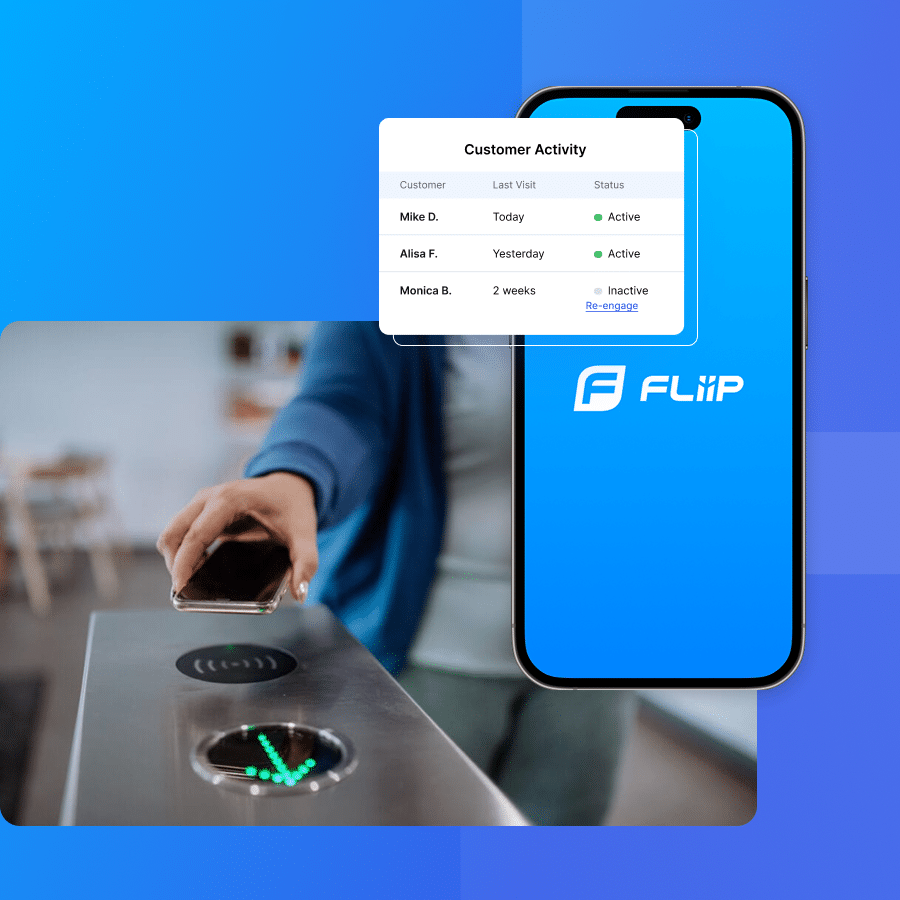
- Track attendance – Monitor member check-ins and class participation.
- Run marketing campaigns – Send automated emails, SMS reminders, and promotions.
- Provide a self-service experience – Members can book, pay, and manage their accounts through a mobile app.
- Support multi-location gyms – Manage different locations from one dashboard, giving owners visibility across all their facilities.
What It Doesn’t Do
While gym software systems automate many processes, they don’t replace personal engagement and strategic decision-making. Owners and staff still need to:
- Build relationships with members to improve retention.
- Develop programming that fits their gym’s unique audience.
- Maintain equipment and facility standards.
- Train staff to use the software effectively and maximize its benefits.
A gym software system is a tool to support growth and efficiency, but success still depends on how well the gym itself is run.
What Features Should You Look for in a Gym Software System?
Not all gym software systems are built the same. Some focus on basic scheduling and payments, while others offer a complete suite of tools for managing memberships, marketing, and multi-location operations. The right system depends on the gym’s size, business model, and long-term goals.
Here are the key features to look for when evaluating gym software systems:
- Membership Management – Automates sign-ups, renewals, and cancellations while keeping track of contracts and payment statuses.
- Class and Schedule Management – Allows members to book sessions, join waitlists, and receive automated reminders to reduce no-shows.
- Billing and Payment Processing – Handles recurring payments, tracks overdue balances, and integrates with various payment processors.
- Attendance Tracking – Monitors check-ins, class participation, and member activity to help with retention efforts.
- CRM and Member Engagement – Stores member profiles, tracks interactions, and automates personalized communication to keep members engaged.
- Self-Service Mobile App – Gives members control over their bookings, payments, and notifications without needing staff intervention.
- Access Control and Check-Ins – Uses QR codes, key fobs, or biometric scanning to streamline facility entry and improve security.
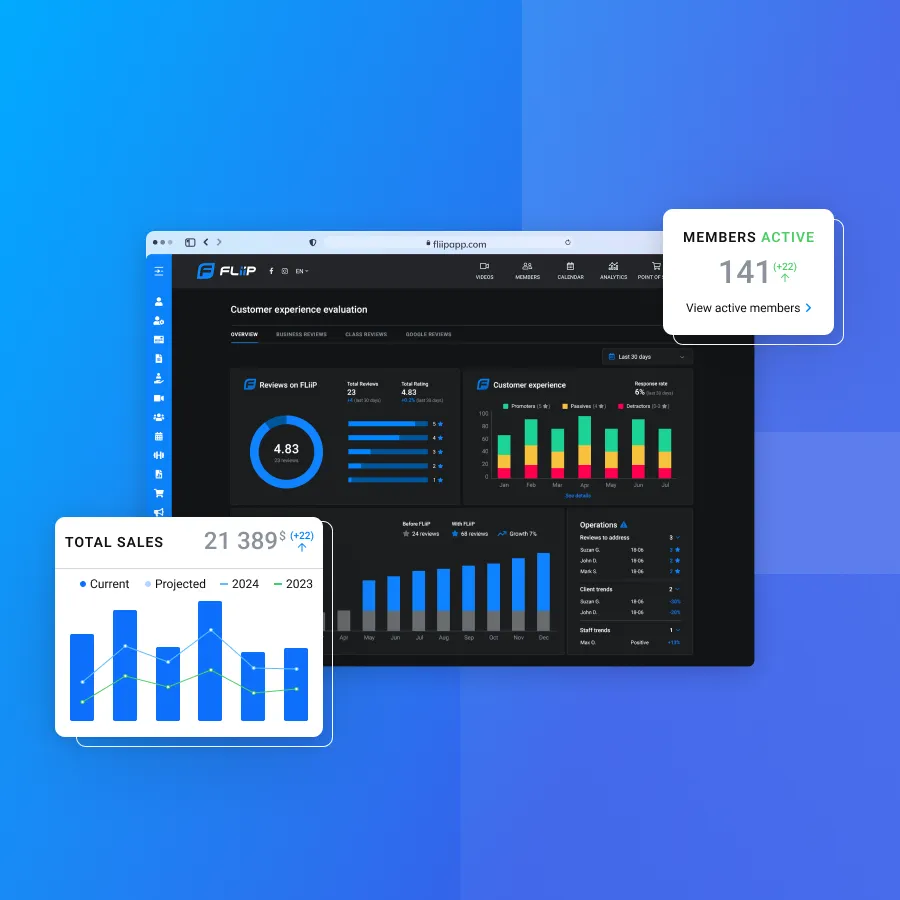
- Reporting and Analytics – Provides insights into revenue, attendance trends, class performance, and member retention.
- Marketing and Lead Management – Automates follow-ups, promotions, and referral programs to attract and retain members.
- Multi-Location Management – Allows gym owners to oversee multiple facilities from a single platform, syncing member data and operations.
A gym software system should simplify daily operations while providing valuable insights that help owners grow their business. Choosing a platform with the right mix of features ensures that both members and staff benefit from a seamless experience.
Is a Gym Software System a Good Investment?
For many gym owners, the decision to invest in a gym software system comes down to one question: Will it actually save time and increase revenue? The short answer is yes, but only if the software is chosen and implemented correctly.
How Gym Software Saves Time and Reduces Admin Work
Running a gym involves constant admin tasks, handling memberships, managing class schedules, processing payments, and keeping track of attendance. Without a gym software system, these responsibilities can pile up, leaving staff overwhelmed and taking time away from what truly matters: member experience, retention, and business growth.
A gym software system automates daily operations, ensuring everything runs smoothly with less manual effort. Here’s how:
- Automated Billing and Payment Processing – No more chasing overdue balances or manually processing transactions. Members are billed on a recurring schedule, and automated reminders help reduce failed payments before they happen.
- Self-Service Booking and Membership Management – Instead of calling the front desk, members can book classes, cancel reservations, and update their membership details through a mobile app or online portal. This reduces staff workload and improves the overall member experience.
- Attendance Tracking and Reporting – Instead of guessing which classes or time slots are most popular, gym owners can see real-time attendance trends and adjust schedules accordingly. This helps optimize class availability and prevent over- or under-booked sessions.
- Automated Check-Ins and Access Control – QR codes, key fobs, or mobile-based check-ins replace manual tracking, making gym entry seamless while improving security.
- Staff Scheduling and Payroll Management – Some systems allow gym owners to schedule trainers and instructors, track hours worked, and even integrate payroll processing, saving additional admin time.
Without a system in place, gym owners can spend hours each week handling tasks that software can complete in minutes. By automating these processes, gym staff can shift their focus to member engagement, marketing, and business growth, instead of getting buried in administrative work.
How Gym Software Increases Revenue
Beyond saving time, a gym software system can help gyms earn more money by improving retention, reducing failed payments, and offering upsell opportunities.
- Fewer failed payments – Automated reminders and payment processing help reduce lost revenue.
- Better member retention – CRM tools track engagement, allowing owners to re-engage members before they cancel.
- More upsell opportunities – Gyms can promote personal training, specialty programs, or retail products directly through the platform.
How to Calculate ROI on Gym Software
To determine if a gym software system is worth the investment, consider:
- How much time is currently spent on admin tasks that could be automated.
- How many failed or late payments occur each month that software could help prevent.
- Whether adding automated marketing or retention tools could increase membership renewals.
The upfront cost of gym software systems varies, but the long-term savings and revenue potential often outweigh the expense. For gyms looking to scale, streamline operations, or improve retention, software is one of the most valuable investments they can make.
Learn More: Essential Metrics Every Gym Owner Should Track for Growth
Can a Gym Software System Launch a Mobile App for Self-Service?
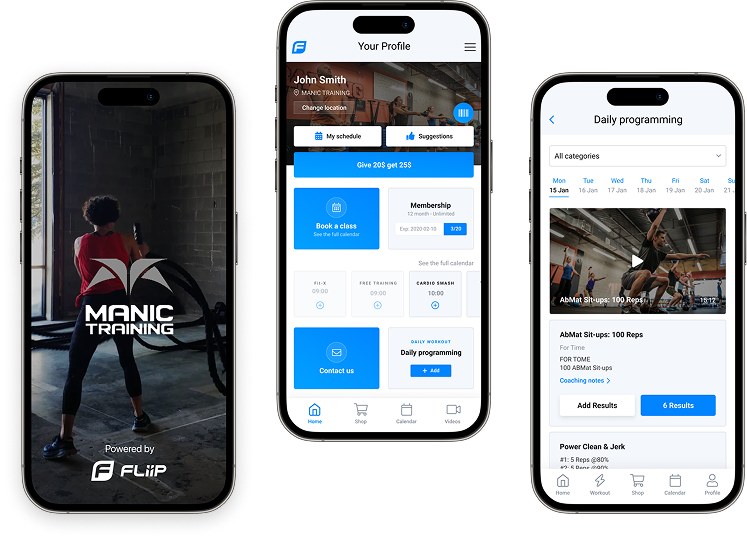
More and more members expect on-demand access to booking, payments, and account management, and a mobile app makes that possible. Many gym software systems include a self-service mobile app, allowing members to manage their experience without needing staff assistance.
How a Mobile App Improves the Member Experience
A gym software system with a mobile app gives members full control over their interactions with the gym, making it easier for them to stay engaged.
- Seamless class and session booking – Members can reserve spots, join waitlists, and cancel or reschedule as needed.
- Easy membership management – Updating payment methods, signing waivers, and renewing memberships takes seconds.
- Automated reminders and notifications – Members get alerts for class start times, billing reminders, and gym updates.
- Contactless check-ins – QR codes, key fobs, or app-based check-ins speed up entry and reduce front desk congestion.
Does Every Gym Software System Offer a Mobile App?
Not all gym software systems include a mobile app, and some charge extra for this feature. When choosing software, gym owners should check if:
- The app is included in the base pricing or requires an additional fee.
- The app allows branding customization (logo, colors, and gym-specific features).
- Members can manage bookings, payments, and communication directly from the app.
For gyms that prioritize efficiency and a seamless member experience, investing in a gym software system with a mobile app is a smart move. It reduces front desk workload, improves retention, and gives members an easy way to stay engaged.
Can a Gym Software System Manage Multiple Locations?
For gym owners with more than one location, or plans to expand, keeping operations consistent across different facilities can be a challenge. A gym software system with multi-location management allows owners to oversee everything from a single platform, making it easier to track memberships, schedule classes, and monitor performance across all locations.
How Multi-Location Gym Management Works
The right software syncs data across locations, eliminating the need for separate systems. This allows:
- Members to access multiple locations – Depending on membership tiers, members can check into different locations seamlessly.
- Centralized reporting – Owners can track revenue, attendance, and retention across all locations in one dashboard.
- Shared staff scheduling – Trainers or instructors who work at multiple locations can have a unified schedule.
- Consistent member experience – Standardized pricing, contracts, and communication help maintain brand consistency.
Why It Matters for Franchise and Multi-Gym Owners
Without a multi-location gym software system, managing multiple facilities means double the admin work, separate memberships, disorganized class schedules, and mismatched reports. A unified system removes these barriers, allowing gyms to scale efficiently while keeping operations streamlined.
When evaluating gym software systems, owners with multiple locations should look for:
- Easy data syncing across locations to prevent duplicate entries.
- Flexible membership options that allow members to visit different facilities.
- Location-specific class schedules and pricing while maintaining central management.
A gym software system designed for multi-location businesses simplifies operations, saves time, and ensures that every location runs smoothly without added complexity.
What Does a Gym Software System Cost?
Pricing for gym software systems varies widely depending on features, business size, and the pricing model of the provider. Some gyms pay a flat monthly fee, while others are charged based on the number of members or locations they manage. Understanding these cost structures helps gym owners choose a system that fits their budget without sacrificing essential features.
Common Gym Software Pricing Models
- Flat Monthly Fee – A fixed cost regardless of how many members you have. This is ideal for gyms with steady membership numbers.
- Per-Member Pricing – Fees increase as your membership base grows. Works well for smaller gyms but can become expensive for larger facilities.
- Feature-Based Pricing – Some platforms charge extra for add-ons like branded mobile apps, marketing automation, or multi-location management.
- Transaction Fees – Some software providers take a small percentage of every payment processed.
Factors That Affect the Cost of Gym Software Systems
- Number of members and locations – Larger gyms with multiple locations typically pay more.
- Features included – More advanced features like automation, AI-driven analytics, and integrations with third-party tools often come at a higher price.
- Customization and branding – White-label mobile apps or fully customized features may add to the cost.
- Customer support level – Some providers offer premium support or onboarding assistance at an additional fee.
Hidden Fees to Watch For
- Setup Fees – Some software companies charge a one-time setup fee for implementation.
- Integration Fees – Connecting with external platforms like accounting software or payment processors may have additional costs.
- Payment Processing Fees – Some providers take a percentage of transactions, which can add up over time.
Make sure the gym software system you choose is transparent about overall pricing and additional fees.
Is the Investment Worth It?
While gym software systems come at a cost, the time saved on admin work, increased revenue from automated billing, and improved member retention often make up for the expense. Choosing a system that aligns with your gym’s size, budget, and growth plans ensures that you get the best return on investment.
How Does a Gym Software System Integrate With Other Tools?
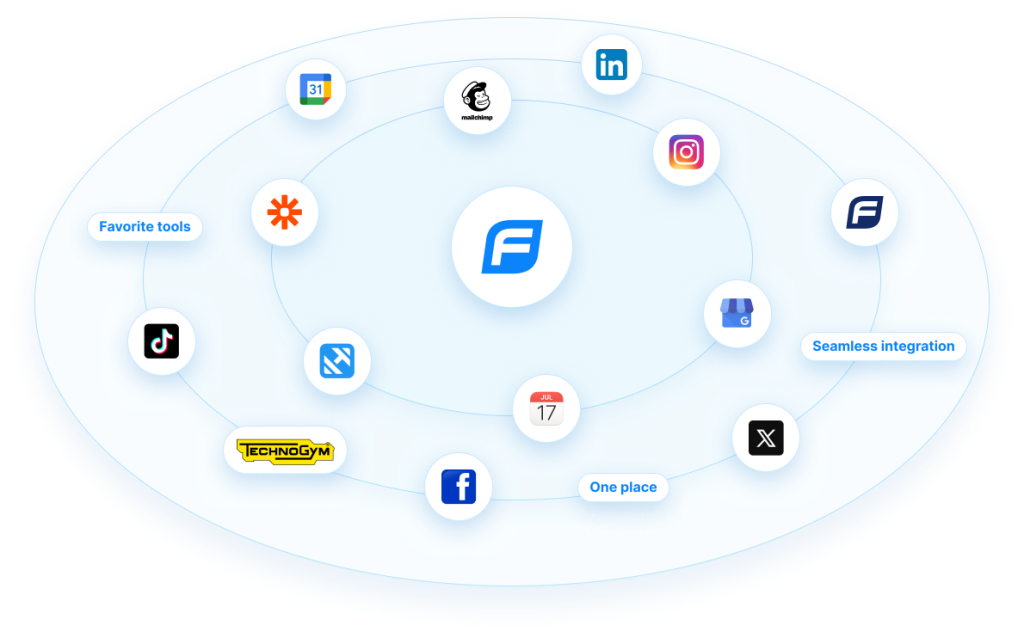
A gym software system works best when it syncs seamlessly with the other tools you already use. Whether it’s payment processing, accounting, marketing, or wearable fitness tracking, integration ensures everything runs smoothly without requiring manual work or duplicate data entry.
Common Integrations to Look For
- Payment Processors – Stripe, PaySafe, Square, or direct bank payments for seamless billing.
- Accounting Software – QuickBooks, Xero, or other financial tools to track revenue and expenses.
- Marketing and CRM Tools – Mailchimp, HubSpot, or Facebook Ads to automate lead follow-ups and promotions.
- Wearable Tech & Fitness Tracking – Apple Health, Myzone, or other fitness trackers to provide members with performance insights.
- Access Control Systems – QR codes, key fobs, or biometric scanning for automated gym entry.
Why Integrations Matter
A gym software system that integrates with existing tools saves time and improves efficiency. Instead of manually transferring data between platforms, gym owners can:
- Automate financial tracking by syncing gym revenue with accounting software.
- Run targeted marketing campaigns by connecting member data with email and SMS tools.
- Improve security and member experience by linking access control with the software’s database.
Before choosing a gym software system, check whether it offers native integrations with the tools you rely on or supports API access for custom connections. A well-integrated system eliminates unnecessary admin work and allows gym owners to focus on growth, member engagement, and overall efficiency.
Is a Gym Software System Secure? Does It Protect Client Data?
Gyms collect and store sensitive member information, including payment details, personal data, and attendance records. A gym software system needs to have strong security measures in place to protect this data from breaches, fraud, and unauthorized access.
Key Security Features to Look For
- Encrypted Payments & PCI Compliance – Ensures all transactions are secure and meet industry standards.
- Data Encryption – Protects member information from cyber threats and unauthorized access.
- Two-Factor Authentication (2FA) – Adds an extra layer of security for gym owners and staff.
- Role-Based Access Control – Limits who can see or edit specific data within the system.
- Automated Data Backups – Ensures business continuity in case of system failures or cyberattacks.
Compliance With Data Protection Regulations
Depending on location, gyms must comply with data privacy laws such as:
- GDPR (General Data Protection Regulation) – Applies to gyms with members in Europe.
- CCPA (California Consumer Privacy Act) – Protects California-based members’ personal data.
- PIPEDA (Personal Information Protection and Electronic Documents Act) – Applies to gyms in Canada.
A gym software system should have clear policies on data storage, sharing, and protection to ensure compliance with these regulations.
Why Security Matters for Gym Owners
A data breach or payment fraud incident can severely damage a gym’s reputation and member trust. Gym owners should verify that their software provider follows industry-leading security protocols and regularly updates its systems to guard against cyber threats.
Choosing a secure gym software system isn’t just about compliance, it’s about protecting your business, your revenue, and your members’ trust.
Can a Gym Software System Be Customized for My Gym’s Specific Needs?
Not all gyms operate the same way. A large multi-location fitness center has different needs than a boutique yoga studio or a martial arts academy. A gym software system should be flexible enough to adapt to your business model rather than forcing you to fit into a rigid structure.
What Can Be Customized?
- Membership Plans & Pricing – The ability to set up flexible memberships, trial periods, drop-in rates, and recurring billing options.
- Class Scheduling & Booking Rules – Customizable session limits, waitlist preferences, and early cancellation policies.
- Reporting & Dashboards – The ability to track the metrics that matter most to your business, from revenue trends to member engagement.
- Branded Mobile App – Some gym software systems allow full customization, including logos, colors, and personalized push notifications.
- Automated Communication – Custom email and SMS templates for membership renewals, class reminders, and promotions.
How Customization Impacts Member Experience
A gym software system that adapts to your business allows you to create a more seamless and engaging experience for members. For example:
- A boutique studio might need unique class booking rules, like package-based sessions instead of monthly memberships.
- A functional fitness gym may want to prioritize performance-tracking integrations over traditional scheduling features.
- A multi-location gym may need membership tiers that allow access to specific locations.
What to Consider When Choosing a Customizable Gym Software System
- Does the software let you tailor membership plans and pricing?
- Can you adjust scheduling features to match your gym’s structure?
- Is branding customization available for the member app and communication tools?
- Does the software allow custom reports and analytics dashboards?
A gym software system should work for your business, not the other way around. The more customization options available, the easier it is to scale, improve efficiency, and provide a great member experience.
Common Mistakes Gym Owners Make When Choosing a Gym Software System
Choosing the right gym software system is a major decision, but many gym owners rush the process or focus on the wrong factors. The wrong system can lead to frustrated staff, disengaged members, and unnecessary costs. Avoiding these common mistakes makes the transition smoother and ensures the software actually helps the business grow.
Focusing Only on Price Instead of Value
Cheaper software might save money upfront but often lacks the features or support needed to scale. A system that automates tasks, reduces failed payments, and improves member retention pays for itself over time.
Ignoring Integration Capabilities
A gym software system should work with the tools you already use, like payment processors, accounting software, and marketing platforms. If it doesn’t integrate, gym owners may end up manually entering data across multiple systems, wasting time and increasing errors.
Overlooking Customer Support and Training
Even the best software can be frustrating if there’s no support when issues arise. Look for providers that offer onboarding assistance, live customer support, and training resources to help staff use the system effectively.
Not Considering Scalability
A gym software system might work for a small studio today, but can it handle multi-location management, larger class sizes, or more members in the future? Switching systems later is costly and time-consuming, so it’s better to choose software that grows with the business.
Failing to Train Staff and Members
Rolling out new software without properly training staff can lead to frustration, mistakes, and low adoption rates. If members aren’t introduced to self-service booking or automated check-ins, they might continue relying on front desk staff, negating the benefits of the software.
Skipping a Trial or Demo
A gym software system might look great on paper but feel clunky in practice. Scheduling a demo or using a free trial helps gym owners test the interface, see how intuitive it is, and determine if it fits their business needs.
Choosing the right gym software system requires more than just picking a popular option. It’s about finding the right fit for the gym’s size, structure, and long-term goals, without making costly mistakes that slow down operations.
How Gym Software Systems Improve Member Experience
A great gym experience goes beyond equipment and training, it’s about convenience, engagement, and a seamless interaction with the facility. The right gym software system enhances the member experience by removing friction from everyday interactions, making it easier for members to stay committed to their fitness goals.
Simplified Sign-Ups and Renewals
Long lines at the front desk or confusing paperwork can be a dealbreaker for new members. A gym software system streamlines the process by allowing:
- Online sign-ups that let new members register from anywhere.
- Automated renewals so members don’t have to worry about expiring memberships.
- Digital waivers and contracts that eliminate the need for physical paperwork.
Self-Service Booking and Cancellations
Members want control over their schedules. A gym software system with self-service features lets them:
- Reserve classes and training sessions through a mobile app or website.
- Join waitlists and get notified if a spot opens up.
- Cancel or reschedule without needing staff intervention.
Automated Communication and Reminders
Missed classes and expired memberships often happen because people forget. A gym software system keeps members engaged by sending:
- Class reminders via email or SMS.
- Renewal notices before a membership expires.
- Personalized offers and promotions based on past attendance or interests.
Faster Check-Ins and Facility Access
Nobody likes waiting in line to check-in. A modern gym software system speeds up entry with:
- QR code or key fob access that allows for quick self-check-ins.
- Automated tracking so staff can see attendance trends without manually counting check-ins.
- Mobile app integration for touchless facility access.
Personalized Member Engagement
Gyms that use software to track member habits can offer a more personalized experience, leading to better retention. For example, a gym owner could:
- Send a congratulatory message when a member hits a milestone.
- Recommend specific classes based on past attendance.
- Offer exclusive deals on personal training or recovery services based on engagement levels.
A gym software system isn’t just for the business, it directly impacts how members experience the gym every day. When interactions are seamless, members stay longer, engage more, and feel more connected to the gym community.
How Gym Software Systems Increase Revenue
A gym software system isn’t just a management tool, it’s a revenue-generating asset. By automating payments, reducing missed billings, and creating upsell opportunities, the right software helps gym owners boost profitability without adding extra work.
Reducing Failed Payments and Late Fees
Missed payments are one of the biggest causes of lost revenue. A gym software system helps reduce this problem by:
- Automating recurring billing so payments are processed without manual effort.
- Sending reminders for expiring cards or failed transactions so members can update their details before issues arise.
- Allowing multiple payment methods (credit cards, ACH, mobile payments) for flexibility.
Upselling Personal Training and Specialty Programs
Gym software makes it easier to promote personal training, premium classes, and add-on services by:
- Suggesting relevant upgrades based on member behavior (e.g., promoting PT sessions to members who attend strength classes).
- Allowing members to book and pay for extra services through the mobile app.
- Running automated promotions for PT packages, small group training, or nutrition coaching.
Learn More: Upselling Strategies to Increase Your Gym’s Revenue
Optimizing Class Scheduling for Maximum Attendance
Empty classes mean wasted revenue. Gym software helps owners schedule more effectively by:
- Tracking attendance trends and adjusting class offerings to match demand.
- Filling last-minute spots with automated waitlists and reminders.
- Reducing no-shows by requiring pre-payment or deposits for certain classes.
Improving Member Retention (and Reducing Cancellations)
Acquiring new members is expensive, retaining existing ones is far more profitable. A gym software system helps keep members engaged by:
- Tracking inactivity and triggering re-engagement campaigns before members quit.
- Offering loyalty programs and referral incentives to keep members committed.
- Automating renewal reminders and exclusive discounts to encourage long-term memberships.
Increasing Retail and Supplement Sales
Many gym software systems include a point-of-sale (POS) feature that makes it easy to sell merchandise, supplements, and branded gear. Instead of relying on manual transactions, gym owners can:
- Enable mobile purchases so members can buy protein shakes, apparel, or recovery tools through the app.
- Bundle products with memberships (e.g., offering a discount on supplements with a personal training package).
- Track retail trends to see which items sell best and adjust inventory accordingly.
When used effectively, a gym software system does more than just organize operations, it actively drives revenue growth by streamlining payments, reducing churn, and creating new sales opportunities.
Cloud-Based vs. On-Premise Gym Software: Which One Is Better?
When choosing a gym software system, one key decision is whether to go with cloud-based software or an on-premise solution. Each has its pros and cons, but for most gyms, cloud-based systems offer more flexibility and ease of use.
What Is Cloud-Based Gym Software?
Cloud-based gym software is hosted online, meaning gym owners and staff can access it from any device with an internet connection. Updates, data storage, and security are handled by the software provider.
✅ Advantages of Cloud-Based Systems:
- Access from anywhere – Manage your gym remotely from a laptop, tablet, or smartphone.
- Automatic updates and security patches – No need to manually install new versions.
- Lower upfront costs – No need to buy expensive hardware or servers.
- Easy scalability – Suitable for gyms of all sizes, from single-location studios to franchises.
❌ Potential Drawbacks:
- Requires a reliable internet connection – If your gym has frequent network issues, cloud-based software may be impacted.
- Ongoing subscription costs – Typically charged on a monthly or annual basis.
What Is On-Premise Gym Software?
On-premise software is installed on local computers or servers within the gym, meaning all data is stored and managed in-house.
✅ Advantages of On-Premise Systems:
- Full control over data and security – No reliance on third-party providers.
- No ongoing subscription fees – Some systems require a one-time purchase rather than a recurring charge.
❌ Potential Drawbacks:
- Limited remote access – Owners and staff must be at the gym to use the system.
- Higher upfront costs – Requires servers, IT support, and manual software updates.
- Scalability challenges – Expanding to multiple locations often requires additional hardware.
Which One Is Right for Your Gym?
For most gyms, cloud-based software is the better choice because it offers flexibility, remote access, and easier management. On-premise software is typically used by large enterprise gyms with dedicated IT teams, but for small to mid-sized gyms looking for ease of use and scalability, cloud-based systems are the preferred option.
When choosing a gym software system, consider how often you need remote access, whether you want automatic updates, and what level of IT maintenance you’re comfortable handling. Cloud-based platforms eliminate most tech headaches, allowing gym owners to focus on running their business instead of managing software.
How to Successfully Implement a Gym Software System
Choosing the right gym software system is just the first step. The real challenge comes in getting staff and members to use it effectively. A poorly implemented system can lead to confusion, frustration, and wasted time. A smooth rollout ensures the software actually improves efficiency instead of becoming another headache.
Train Your Staff First
Before introducing the system to members, make sure your team understands how to use it. Staff should be comfortable with:
- Processing new memberships and renewals.
- Managing class bookings and cancellations.
- Handling payments and troubleshooting billing issues.
- Using reporting tools to track attendance and revenue.
Some gym software providers offer training sessions, live support, or onboarding guides to help with this process.
Introduce the Software to Members
A gym software system is only valuable if members actually use it. To ensure adoption:
- Announce the new system in emails, social media, and in-gym signage.
- Offer a walkthrough video or live demo on how to book classes, update payment info, and check-in.
- Encourage self-service by guiding members to use the mobile app instead of calling the front desk.
Migrate Data Without Losing Information
If switching from an older system (or spreadsheets), be careful when transferring member data to avoid lost memberships or billing errors. Many software providers offer data migration services to make the process easier.
At FLiiP, we take care of the migration process fully so that you can focus on what matters the most–your members, stress-free! Book a quick call to learn more.
Monitor Performance and Adjust as Needed
Once the gym software system is live, check:
- Are members using self-service features? If not, additional education may be needed.
- Are failed payments decreasing? If issues persist, adjust billing reminders or update payment options.
- Are staff fully utilizing reporting and automation tools? Regular check-ins help reinforce training.
A well-implemented gym software system should reduce manual work, improve the member experience, and help the business run more smoothly. Taking the time to introduce it properly ensures a seamless transition and long-term success.
How FLiiP Helps Gyms Simplify Operations & Grow
FLiiP is designed for gym owners who want to streamline operations, improve member retention, and scale their business without getting bogged down in administrative tasks. With a full suite of features, it simplifies everything from scheduling and payments to marketing and reporting.
All-in-One Management for Commercial Gyms and Multi-Locations
FLiiP provides a centralized platform to manage memberships, class schedules, billing, and member engagement, all from one dashboard. For gyms with multiple locations, it ensures consistency across facilities while giving owners full visibility into performance.
Seamless Self-Service Through the Mobile App
With FLiiP’s mobile app, members can book classes, manage payments, and check in without waiting at the front desk. This reduces staff workload and gives members the convenience they expect.
Automated Billing, Scheduling, and CRM
FLiiP automates key processes to save time and eliminate errors. Recurring payments reduce failed transactions, while automated class reminders help minimize no-shows. The built-in CRM tracks member activity and helps gyms engage members before they cancel.
Data-Driven Insights to Optimize Growth
Real-time reporting allows gym owners to track attendance trends, revenue, and member retention. Instead of guessing what’s working, FLiiP provides clear data to help gyms refine their offerings and maximize profitability.
Exceptional Customer Support and Easy Onboarding
Switching software can feel overwhelming, but FLiiP offers hands-on support to ensure a smooth transition. From data migration to staff training, the FLiiP team helps gyms get up and running quickly.
A gym software system should make life easier, not more complicated. FLiiP is built for gym owners who want a powerful, user-friendly solution that supports long-term growth. Book a free call to learn more!
Conclusion
A well-chosen gym software system does more than just keep things organized, it allows gym owners to run their business more efficiently while delivering a better experience for members. With automation handling scheduling, billing, and communication, staff can focus on growing the gym rather than managing spreadsheets and chasing payments.
The best system is the one that fits your gym’s specific needs, whether that’s managing multiple locations, optimizing class schedules, or giving members a seamless self-service experience. Investing in the right software saves time, improves retention, and provides the data needed to make smarter business decisions. Instead of getting caught up in daily admin, gym owners can focus on what really matters, building a thriving, profitable fitness business.