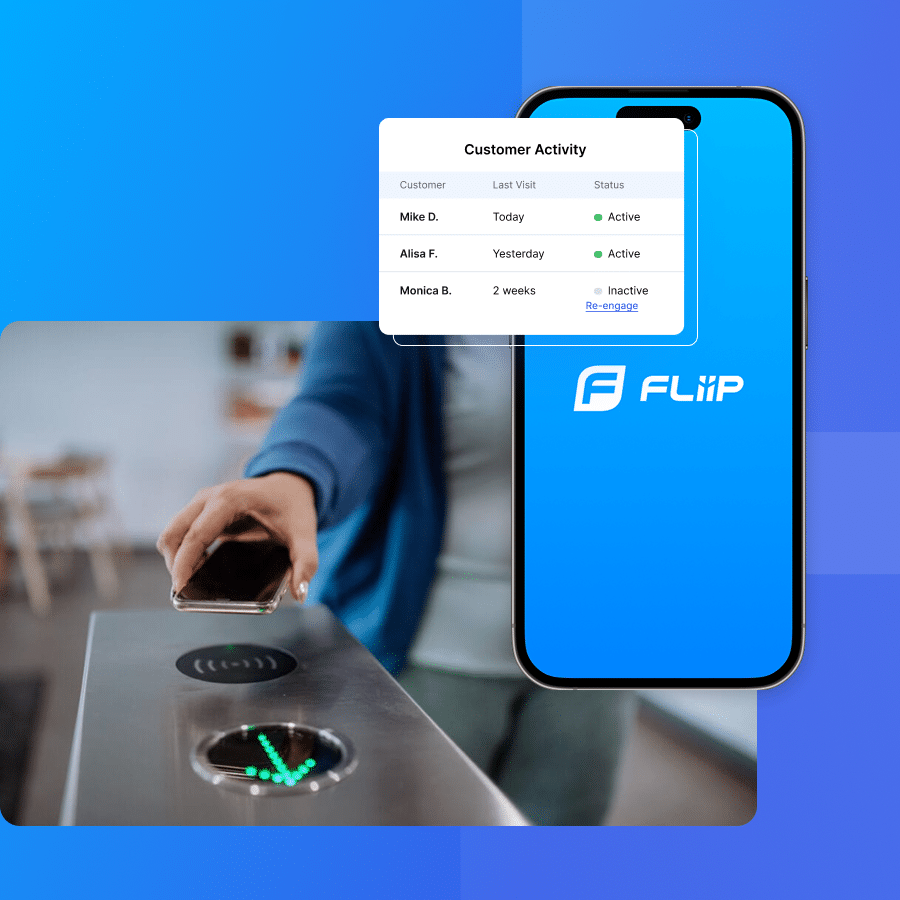
Fitness Gym Software: Everything Gym Owners Need to Know
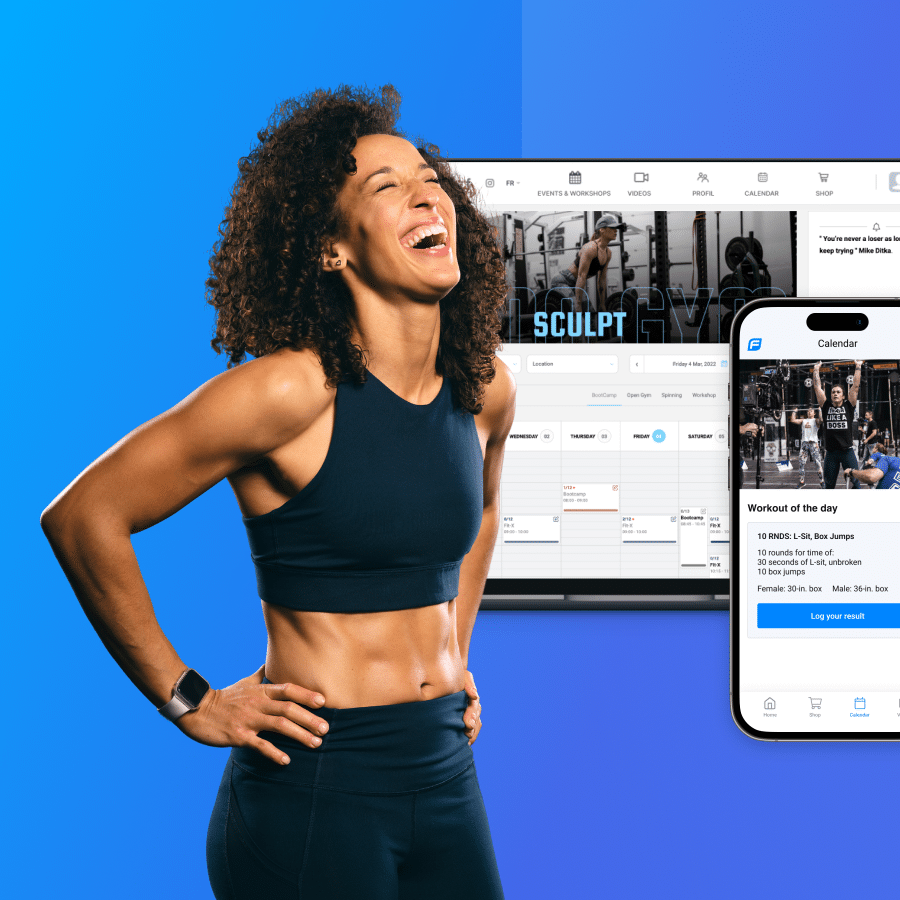
Running a gym isn’t just about having great equipment or offering killer classes, it’s about keeping things running smoothly behind the scenes. If you’ve ever found yourself buried in spreadsheets, chasing down late payments, or struggling to track class attendance, you already know how much time the admin side of the business can steal from actually growing your gym.
That’s where fitness gym software comes in. The right system automates memberships, schedules, payments, and member engagement, so you can spend less time on admin and more time building a thriving gym community.
But let’s be real, not all gym software is created equal. Some systems are clunky, outdated, or packed with features you’ll never use. Others lack the flexibility to grow with your business, leaving you frustrated when you hit a roadblock.
So how do you choose the right one? That’s exactly what we’re diving into. In this guide, we’ll break down:
- What fitness gym software actually does (and doesn’t do)
- Must-have features that make running a gym easier
- How software boosts revenue, improves member retention, and saves time
- The difference between cloud-based vs. on-premise systems
- What to look for when picking the best software for your gym
If you’re tired of juggling spreadsheets, struggling with last-minute cancellations, or losing track of memberships, it’s time to see what the right fitness gym software can do for you.
What Is Fitness Gym Software, and What Does It Do?
Gym owners wear a lot of hats, coach, salesperson, accountant, and customer service rep, just to name a few. But at some point, managing everything manually becomes impossible. That’s where fitness gym software steps in.
At its core, fitness gym software is a business management tool designed specifically for gyms and fitness studios. It helps automate and streamline everyday tasks, making it easier to manage memberships, schedule classes, handle payments, and engage with members, all in one place.
Here’s what a solid gym software system can do:
1. Membership Management
A good system makes signing up, renewing, or canceling memberships easy, without creating extra work for your staff. It should:
- Automatically process renewals to prevent membership lapses.
- Allow members to update billing details and preferences on their own.
- Keep all member profiles, attendance history, and communication logs in one place.
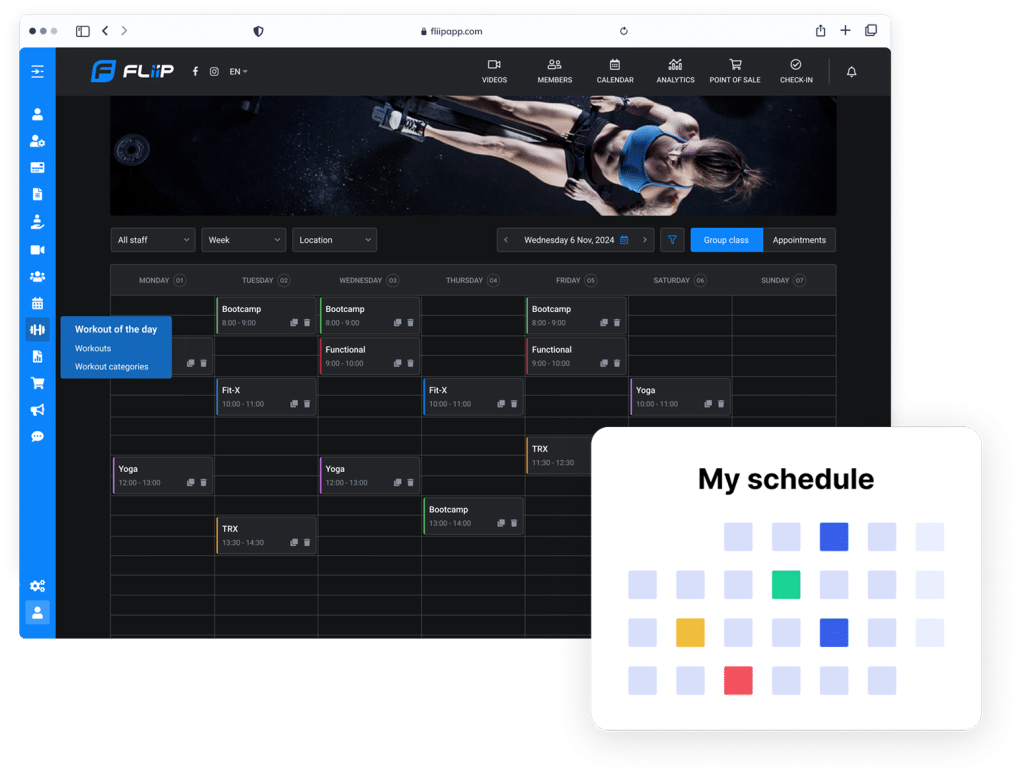
2. Class & Scheduling Tools
Filling classes and managing waitlists shouldn’t be a headache. The right system:
- Lets members book, reschedule, or join waitlists online, no front desk bottlenecks.
- Automatically notifies waitlisted members when a spot opens.
- Provides real-time attendance tracking for better scheduling decisions.
3. Billing & Payment Processing
Missed payments and failed transactions can hurt cash flow. Fitness gym software ensures seamless revenue collection with:
- Automated recurring payments to eliminate manual invoicing.
- Payment reminders to reduce overdue balances.
- Failed payment recovery tools to minimize revenue loss.
4. Member Engagement & CRM
Retaining members is just as important as attracting them. A strong CRM tool should:
- Send personalized emails and SMS reminders for classes, promotions, and follow-ups.
- Offer loyalty rewards and referral programs to keep members engaged.
- Track member attendance trends so you can spot at-risk members before they cancel.
5. Performance Analytics & Reporting
Gym owners make better decisions when they have real-time insights into their business. The right software provides:
- Revenue tracking to monitor financial growth.
- Attendance analytics to identify peak hours and optimize scheduling.
- Member retention data to understand why people stay, or leave.
6. Mobile & Self-Service Features
Members expect the convenience of mobile access. A good gym software system includes:
- A mobile app where members can book classes, track progress, and manage payments.
- Digital check-ins via QR code or key fob for a seamless experience.
- Push notifications for reminders, promotions, and engagement.
7. Multi-Location Support
For gym franchises and multi-location businesses, a centralized management system is essential. A scalable system:
- Standardizes pricing, scheduling, and staff coordination across locations.
- Allows members to access any location with a single membership.
- Provides location-based analytics to compare performance across gyms.
A well-designed fitness gym software system doesn’t just replace spreadsheets, it simplifies operations so you can focus on growing your business, improving the member experience, and keeping clients engaged.
What Fitness Gym Software Doesn’t Do
While fitness gym software is a game-changer for automating tasks and streamlining operations, it’s not a magic fix for every challenge in running a gym. Some gym owners invest in software expecting it to solve all their problems, only to realize that certain aspects of business still require hands-on effort.
Here’s what gym software won’t do for you:
- It won’t replace great customer service. Even with automated messaging and self-service features, members still value personal interactions with staff and trainers. A great member experience depends on your team just as much as your technology.
- It won’t run your marketing for you. Software can help with email automation, lead tracking, and member referrals, but you’ll still need a solid marketing strategy to attract and retain members.
- It won’t fix a bad class schedule. If your classes aren’t aligned with demand, even the best booking system won’t fill them up. Software helps track attendance trends, but you’ll need to analyze the data and adjust accordingly.
- It won’t make up for a weak business model. If your gym lacks a clear pricing strategy, competitive offerings, or a unique value proposition, software can’t fix those foundational issues.
- It won’t physically maintain your equipment. While some gym management platforms offer usage tracking, you’ll still need a maintenance plan to keep machines in top shape.
Understanding what fitness gym software can and can’t do will help you set realistic expectations and use it effectively as a tool to optimize your operations, not as a substitute for strong business fundamentals.
Essential Features to Look for in Fitness Gym Software
Not all gym software is built the same. Some systems cover the basics, while others offer an all-in-one platform that manages everything from billing to member engagement. The key is finding software that fits your gym’s specific needs without overpaying for features you’ll never use.
Here are the must-have features that make managing a gym easier, more efficient, and more profitable:
1. Membership Management
A good fitness gym software should handle sign-ups, renewals, cancellations, and member data effortlessly. No more chasing members for expired credit cards or manually updating spreadsheets, your system should do it for you.
- Tracks member profiles, including attendance history and payment status
- Sends automated renewal reminders to reduce membership churn
- Allows members to update their own billing info and preferences
2. Class & Scheduling Tools
Managing classes manually is a headache, especially when members cancel last minute or show up unexpectedly. A strong scheduling system keeps things organized and ensures maximum class attendance.
- Online booking and cancellations so members can manage their own schedules
- Waitlist management to automatically fill spots when someone cancels
- Instructor scheduling and attendance tracking
3. Automated Billing & Payment Processing
Cash flow issues are one of the biggest struggles for gym owners. The right software takes the stress out of collecting payments by automating recurring billing, invoices, and overdue payment reminders.
- Secure credit card and ACH processing
- Automated failed payment recovery to reduce revenue loss
- Integration with accounting tools for financial tracking
4. Member Engagement & CRM
Keeping members engaged is key to retention, and software can make it easier to personalize communication and build stronger relationships.
- Automated emails and texts for birthdays, class reminders, and special promotions
- Lead tracking to follow up with prospects and convert them into paying members
- Reward programs and referral incentives to encourage loyalty
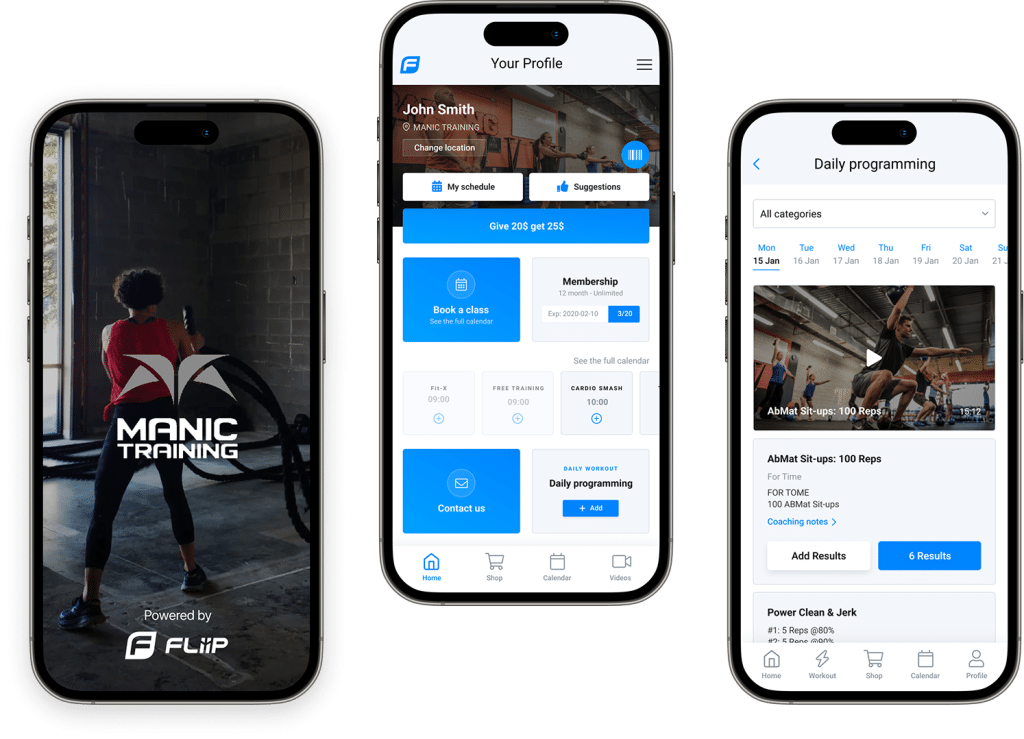
5. Mobile & Self-Service Features
Members expect convenience, and a mobile-friendly experience is non-negotiable. A software system with self-service options makes life easier for both gym owners and members.
- Branded mobile app for class bookings, account updates, and progress tracking
- Digital check-ins using a QR code or key fob
- On-demand video workouts for hybrid fitness offerings
6. Performance Analytics & Reporting
If you’re not tracking membership trends, revenue, and class attendance, you’re making decisions in the dark. A strong software system provides real-time insights to help you adjust your offerings and improve profitability.
- Reports on member retention rates, attendance trends, and revenue streams
- Insights into which classes are performing best and which need adjustments
- Custom dashboards to track key performance indicators (KPIs)
7. Multi-Location Support
For gym franchises or owners managing multiple locations, software should provide centralized control over all locations while allowing flexibility for individual site operations.
- Cross-location membership access
- Performance tracking for each gym location
- Centralized billing and staff management
8. Third-Party Integrations
Your gym software shouldn’t operate in a silo. The best systems integrate seamlessly with tools you already use, such as:
- POS systems for retail sales and merchandise tracking
- Marketing tools for email campaigns and lead generation
- Wearables & fitness apps like Apple Health and MyFitnessPal
- Accounting software to streamline financial management
A great fitness gym software system goes beyond basic admin tasks, it helps gym owners run their business more efficiently, engage members, and maximize revenue.
Learn More: 15 Best Fitness Gym Software for Gyms and Fitness Studios
How Fitness Gym Software Increases Revenue
A gym isn’t just a place to work out, it’s a business. And like any business, if the numbers don’t work, it won’t last. I’ve seen gym owners pour everything into creating an incredible space, only to struggle with inconsistent revenue, unpaid invoices, and empty classes at prime hours. It’s frustrating because, in many cases, it’s not about a lack of demand, it’s about not having the right systems in place to optimize revenue.
That’s where fitness gym software changes the game. It’s not just about making operations smoother; it’s about making the business more profitable without adding more work to your plate.
Stop Losing Money to Missed Payments
One of the biggest cash flow killers in a gym? Failed payments. If you’ve ever had to chase down a member over an expired card, you know how awkward and time-consuming it can be. And for every missed payment that isn’t followed up on, that’s real revenue slipping away.
Good gym software automates billing and payment recovery, so you don’t have to manually track down overdue accounts.
- Recurring payments ensure memberships renew without friction. No more "Oops, I forgot to pay" excuses.
- Automated reminders nudge members before their card expires or a payment fails.
- Smart retry systems automatically attempt to process failed payments at optimal times, increasing collection rates without annoying members.
This alone can add thousands in recovered revenue over the course of a year.
Fill More Classes, Optimize Peak Hours
Ever had a class with a waitlist while another sits half-empty? That’s lost revenue. Your space and instructor time are valuable, and if you’re not filling as many spots as possible, you’re leaving money on the table.
Fitness gym software helps balance your schedule based on demand, not guesswork.
- Dynamic scheduling shows you which classes consistently hit capacity and which need adjustments.
- Waitlist automation ensures spots don’t go unfilled, if someone cancels, the next member in line gets the slot.
- Off-peak incentives encourage members to book slower hours by offering perks like retail discounts or referral bonuses.
A gym we worked with had back-to-back packed evening classes but struggled with midday attendance. They used their software to track peak hours, then launched a lunchtime express class with a small discount for mid-day attendees. Within a month, their mid-day attendance increased by over 30%, simply by adjusting when and how they scheduled classes.
Increase Sales Without Feeling Like You’re Selling
Nobody likes a pushy sales pitch, and most gym owners aren’t in the business to be salespeople. But increasing revenue doesn’t have to feel like a hard sell, especially when your software does the work for you.
- In-app personal training upsells let members book sessions with a few taps, no need for awkward sales conversations.
- Retail integration makes it easy to sell supplements, apparel, or gear through your gym’s app or at check-in.
- Tiered memberships & upgrades let members unlock more perks without feeling forced, think VIP access to recovery tools, priority class bookings, or discounts on services.
Keep Members Engaged, Keep Revenue Steady
Retention is the foundation of a profitable gym. You can spend all the money in the world attracting new members, but if they’re leaving faster than they’re signing up, you’ll always be playing catch-up.
Fitness gym software helps keep members engaged so they stay longer, refer friends, and spend more.
- Automated follow-ups for inactive members bring them back before they cancel.
- Loyalty & rewards programs incentivize attendance, referrals, and participation.
- Custom challenges, like a "12 Classes in 30 Days" challenge, keep members motivated while creating social buzz around your gym.
For example, if you notice members haven’t checked in for a while, say, 30 days or more, it’s worth reaching out before they disappear for good. Instead of waiting for cancellations, set up automated check-ins through your gym software. A simple message offering a guest pass, a small personal training discount, or a class recommendation can be enough to bring them back. Gyms that take this proactive approach often see higher retention rates just by reminding members they’re valued and giving them a reason to re-engage.
Learn More: 9 Effective Gym Member Retention Strategies
The Bottom Line
A gym can have the best trainers, the best atmosphere, and the best community, but if revenue is inconsistent, it won’t survive. Fitness gym software is about getting more out of what you already have, filling more classes, collecting more payments, engaging more members, and creating new revenue streams, without adding more admin work to your day.\
Managing Multiple Gym Locations with Fitness Gym Software
Running one gym is hard enough, scaling to multiple locations brings a whole new set of challenges. We’ve seen gym owners expand too quickly, only to struggle with inconsistent operations, disconnected member experiences, and a lack of visibility across locations.
The good news? Fitness gym software helps streamline multi-location management so you can scale without the growing pains.
Centralized Control Without Micromanaging
When you run multiple gyms, you need oversight without being physically present at each location every day. A good software system lets you manage everything from a single dashboard:
- Membership Access Across Locations – Offer flexible memberships that allow members to use multiple locations seamlessly.
- Consistent Pricing & Billing – Standardize memberships and automatically process payments across all locations.
- Live Performance Tracking – See real-time revenue, attendance, and engagement data for each gym.
Seamless Member Experience Across Locations
Members expect the same level of service whether they’re at Gym A or Gym B. Fitness gym software ensures that everything, from check-ins to class bookings, feels unified across all locations.
- Mobile App for Easy Access – Members can book classes, check schedules, and update billing from anywhere.
- Uniform Class Scheduling – Ensure popular classes are offered at each location based on demand.
- Automated Communication – Standardized emails, texts, and push notifications keep messaging consistent.
Efficient Staff & Trainer Management
Hiring, scheduling, and managing staff across multiple locations can be chaotic without the right tools. Gym software makes it easier to:
- Coordinate instructor schedules and assign trainers based on demand.
- Automate payroll tracking by integrating with attendance logs.
- Ensure quality control with standardized policies and performance tracking.
Imagine running multiple gym locations and noticing that members keep asking for a specific trainer, but they have no way of knowing where or when that coach is available. With the right fitness gym software, you could allow members to view trainer schedules across locations and book sessions accordingly. This small change could lead to higher class attendance, better trainer utilization, and an overall smoother experience for both staff and members.
Growing a fitness business doesn’t have to mean more stress and manual work. The right software ensures that whether you’re managing two locations or twenty, your operations stay smooth, your members stay engaged, and your revenue continues to grow.
Is Fitness Gym Software Secure? Protecting Member Data & Payments
When handling hundreds or even thousands of member profiles, payment details, and personal data, security isn’t optional, it’s a must. Gym owners often focus on member retention, class schedules, and revenue, but overlooking data security can be a costly mistake.
The right fitness gym software protects both your business and your members, ensuring sensitive information stays safe.
How Secure Gym Software Protects Your Business
- PCI-Compliant Payment Processing – Ensures all transactions meet industry security standards, reducing fraud risk.
- Data Encryption – Protects stored member information from cyber threats.
- Role-Based Access Control – Staff only see the data they need, limiting security risks.
- Automatic Backups – Prevents data loss in case of system failures.
- Two-Factor Authentication (2FA) – Adds an extra layer of security for admin logins.
Why Member Privacy Matters
Trust is everything. If members feel their personal data isn’t safe, they won’t stick around. A secure fitness gym software should:
- Securely store member health & billing information without risk of leaks.
- Comply with industry regulations (such as GDPR or CCPA for privacy).
- Provide transparent data policies so members know their information is protected.
What to Look for When Choosing Secure Gym Software
Not all gym software platforms prioritize security. Before committing to a system, ask these key questions:
- Does the software use encrypted payment processing?
- How does it handle data storage and backups?
- Does it have role-based permissions to limit staff access to sensitive data?
- Does the company offer ongoing security updates to prevent vulnerabilities?
Choosing a secure and compliant fitness gym software isn’t just about protecting your business, it’s about building trust with members and ensuring your gym runs smoothly without security headaches.
Fitness Gym Software Costs: What to Expect
Gym software can be one of the most valuable investments you make, but only if you choose the right system at the right price. Some gym owners overpay for bloated systems with features they’ll never use, while others go for the cheapest option and end up stuck with limited functionality and hidden fees.
So, how much should you expect to pay for fitness gym software? The answer depends on your gym’s size, needs, and the features you require.
Common Pricing Models
Most gym management software falls into one of these pricing structures:
- Flat Monthly Subscription – A set monthly fee, typically ranging from $99 to $500+ per month, depending on the level of features and member capacity.
- Per-Member Pricing – A cost per active member, usually around $1 to $3 per member per month. This is ideal for smaller gyms that are still growing.
- One-Time Licensing Fees – Some systems offer a one-time purchase model, though this is rare. Usually, this means higher upfront costs but no recurring fees.
- Freemium Models – Basic software with limited features available for free, with paid upgrades for advanced functionality.
What Impacts the Cost?
Several factors influence how much you’ll pay for fitness gym software:
- Number of Locations – Multi-location gyms typically pay more for centralized management features.
- Member Capacity – Some software providers charge based on how many active members you have.
- Feature Set – More advanced features like mobile apps, CRM tools, or automation usually come with higher-tier pricing.
- Custom Branding & White-Labeling – If you want a fully branded experience (such as a custom mobile app with your gym’s logo), expect higher costs.
Hidden Costs to Watch Out For
Not all pricing is transparent. Some gym owners sign up for software, only to be surprised by hidden fees later on. Watch out for:
- Setup Fees – Some providers charge a one-time onboarding fee, which can range from $500 to $2,000+.
- Transaction Fees – If the software processes payments, check if they take a percentage of each transaction.
- Add-On Fees – Some platforms charge extra for email marketing, automation, or data reports.
- Contract Lock-Ins – Some software requires long-term contracts with cancellation penalties.
Is It Worth the Investment?
If the software saves you time, reduces missed payments, and improves member retention, it pays for itself. For example:
- A system that automatically recovers failed payments could recover thousands of dollars per year.
- Optimizing class scheduling could help fill more slots, increasing revenue without raising prices.
- A mobile app improves the member experience, leading to higher retention and referrals.
The key is choosing software that fits your gym’s size and goals, without overpaying for features you don’t need.
How Fitness Gym Software Integrates with Other Tools
No gym operates in a vacuum. Between billing systems, class schedules, marketing tools, and retail sales, gym owners juggle multiple platforms daily. The best fitness gym software isn’t just a standalone system, it integrates with the tools you already use to keep everything connected and running smoothly.
Why Integrations Matter
A gym software system that doesn’t integrate with other tools creates more work instead of reducing it. Manually transferring data between platforms wastes time, increases the risk of errors, and slows down operations.
With the right integrations, you can:
- Automate financial tracking by syncing gym payments with accounting software.
- Boost marketing efforts by linking your CRM with email and SMS platforms.
- Simplify retail sales by connecting gym software with your POS system.
- Improve workout tracking by integrating with wearables and fitness apps.

Key Integrations to Look For
Payment Processing & Billing
- Stripe, Square, PayPal, or direct bank transfers for secure, automated transactions.
- Automatic invoice generation and financial reporting for tax season.
Marketing & CRM Tools
- Email marketing platforms like Mailchimp, ActiveCampaign, or HubSpot for automated lead follow-ups and promotions.
- SMS marketing integrations for automated class reminders and retention campaigns.
- Referral tracking software to reward members who bring in friends.
Point of Sale (POS) Systems
- Connect with POS solutions for selling merchandise, supplements, and additional services.
- Track inventory and sales trends directly in your gym software.
Accounting & Tax Software
- QuickBooks and Xero integrations for automatic revenue tracking and expense management.
- Reduce manual data entry and simplify financial reporting.
Cloud-Based vs. On-Premise Fitness Gym Software: Which One Is Better?
One of the biggest decisions gym owners face when choosing fitness gym software is whether to go with a cloud-based system or an on-premise solution. Both have pros and cons, but for most modern gyms, cloud-based software is the smarter choice.
What Is Cloud-Based Gym Software?
Cloud-based gym software is hosted online, meaning you can access it from anywhere, your laptop, phone, or tablet. All data is stored securely in the cloud, and updates happen automatically.
Pros:
- Accessible from any device with an internet connection
- No need for on-site servers or IT maintenance
- Regular automatic updates and security patches
- Easier for multi-location gyms to manage operations
- Mobile-friendly for both gym owners and members
Cons:
- Requires a stable internet connection to operate smoothly
- Subscription-based pricing means ongoing costs
What Is On-Premise Gym Software?
On-premise software is installed on a local server or computer within your gym. It doesn’t rely on the internet, but it requires in-house maintenance and manual updates.
Pros:
- Data stays in-house, giving gym owners more direct control
- Works even without an internet connection
Cons:
- Requires IT support for updates, troubleshooting, and security
- Limited remote access, can only be used on-site
- High upfront costs for hardware and installation
- Harder to scale for multi-location gyms
Which One Is Right for Your Gym?
For 99% of gyms, cloud-based software is the better choice. It offers flexibility, automatic updates, mobile access, and easier scalability. The only real case for on-premise software is if your gym has highly specific security requirements or operates in a location with unreliable internet access.
Most successful gyms today use cloud-based software because it simplifies operations, improves accessibility, and future-proofs the business.
Does the Software Provider Offer Support and Training?
No matter how powerful a fitness gym software system is, it’s only as good as the support behind it. I’ve seen gym owners invest in new software, only to get stuck during setup, frustrated with missing features, or completely lost when something goes wrong, all because the provider didn’t offer the right level of support.
The best gym software providers don’t just sell you a product, they help you succeed with it.
Why Support and Training Matter
- Seamless Onboarding – Getting set up quickly means less downtime and fewer headaches for your staff.
- Ongoing Troubleshooting – Whether it’s a billing issue, integration glitch, or feature confusion, you need fast, reliable support.
- Team Training – A great system is useless if your staff doesn’t know how to use it. Training ensures everyone is on the same page.
What to Look for in a Gym Software Provider
Not all support is created equal. Before committing to a system, ask these key questions:
- What onboarding assistance do they offer? Do they provide setup help, data migration, and walkthroughs?
- Is support available when you need it? Look for live chat, email, or phone support, not just a help center with generic articles.
- Do they offer training for your team? Some providers offer webinars, one-on-one coaching, or even in-person training for larger gyms.
- What happens when there’s an issue? Check reviews, are other gym owners happy with the response times and solutions?
Red Flags to Watch Out For
If a software provider lacks clear support options, has long wait times for help, or charges extra for basic assistance, that’s a red flag. You don’t want to be stuck dealing with technical issues on your own when you’re running a gym full of paying members.
A provider that invests in your success will make sure you and your team know how to use the software effectively. That means fewer frustrations, less downtime, and a gym that runs more efficiently.
Is Gym Software Compatible with Both Mobile and Web Devices?
If there’s one thing I’ve learned from working with gym owners, it’s that nobody wants to be tied to a desk to manage their business. You’re constantly on the move, talking to members, checking in with trainers, handling walk-ins. You don’t have time to sit down at a computer every time you need to check a payment, update a class schedule, or approve a membership change.
That’s why fitness gym software needs to work seamlessly across both mobile and web devices. If a system only functions well on a desktop, it’s outdated. Gym owners, staff, and members all expect the ability to manage things on the go.
Why Mobile-Friendly Gym Software is a Must-Have
- For Gym Owners & Managers – Mobile access means you can check reports, update schedules, and track revenue from anywhere. Whether you’re at another gym location, traveling, or even just on the gym floor, you shouldn’t need a laptop to run your business.
- For Trainers & Staff – Instructors can view their schedules, check class rosters, and update availability without running to the front desk.
- For Members – Members should be able to book classes, update payment details, and track workouts straight from their phones. If they have to call your gym or visit in person for simple tasks, it’s a frustrating experience.
Cloud-Based Software = Instant Access Anywhere
The best gym software is cloud-based, meaning all data is stored securely online and accessible from any device, your computer, tablet, or smartphone. This allows:
- Real-time updates – When a member books a class, it syncs instantly across all devices.
- Seamless mobile & desktop experience – Staff can manage operations from their phones, while members get a user-friendly app for their fitness needs.
- Better scalability – If you open multiple locations, cloud-based access ensures you stay connected to all gyms without being physically present.
What to Look for in a Mobile-Friendly Gym Software
- Responsive Web Dashboard – Can you manage everything easily from a phone browser?
- Branded Member App – Does the software offer a mobile app where members can book classes and track workouts?
- Mobile Check-Ins – Can members check in using their phones instead of a physical key fob?
- Push Notifications & SMS – Can you send reminders, promotions, and alerts directly to members’ phones?
We worked with a gym that switched from a desktop-only system to a fully mobile-friendly platform, and within weeks, they saw fewer front desk bottlenecks, more online bookings, and fewer missed payments, all because members could finally manage their accounts from their phones.
A gym management system that doesn’t offer mobile access isn’t built for modern fitness businesses. If your software isn’t making life easier for both you and your members, it’s time for an upgrade.
How Fitness Gym Software Delivers a Strong Return on Investment (ROI)
Investing in fitness gym software isn’t just about convenience, it’s about making your gym more profitable. I’ve seen gym owners hesitate to commit to software because they see it as an extra cost. But the reality? The right system pays for itself many times over by increasing revenue, reducing costs, and improving efficiency.
How Gym Software Directly Impacts Revenue
- Reduces missed payments – Automated billing ensures memberships are renewed on time, reducing revenue loss from failed transactions.
- Fills more classes – Smart scheduling and waitlist management help maximize attendance, meaning more paying members per session.
- Encourages upsells – Features like in-app personal training bookings and membership upgrades drive additional revenue without requiring extra sales effort.
- Lowers marketing costs – Automated email and SMS marketing help retain members without expensive ad campaigns.
One gym we worked with struggled with low retention, members would sign up, attend a few classes, then disappear. After implementing software that tracked attendance trends and automated follow-ups for inactive members, their cancellation rate dropped by 18% in just three months. That’s real money saved by keeping members engaged instead of constantly replacing them.
Learn More: Why Tracking Gym Member Activity is Key to Increasing Revenue
Time Savings = More Focus on Growth
Beyond increasing revenue, gym software saves hours of admin work every week. Instead of manually tracking memberships, payments, and class bookings, owners and staff can focus on delivering a better member experience, launching new programs, and scaling their business.
- Automating membership management cuts down on front desk workload.
- Self-service options for members reduce staff time spent on scheduling and billing inquiries.
- Instant reporting & analytics provide insights without needing hours of manual tracking.
How to Calculate ROI for Gym Software
If you’re on the fence about investing in software, consider this:
- Calculate revenue lost from missed payments – If you lose $500/month from failed transactions, automated billing could recover thousands annually.
- Estimate time savings – If software frees up 10+ hours per month, what’s that worth in labor costs or time reinvested in growing the business?
- Look at retention improvements – If engagement tools prevent just 5-10% of member cancellations, how much revenue do you retain over a year?
Good Software Isn’t a Cost, It’s an Investment That Grows With Your Gym
The right fitness gym software isn’t just an expense, it’s a business tool that drives efficiency, increases revenue, and keeps members engaged. It allows you to scale without drowning in admin work or struggling with preventable revenue leaks.
How to Choose the Right Fitness Gym Software for Your Business
Not all fitness gym software is created equal. Some systems are loaded with features you don’t need, while others lack key tools that actually make a difference in running your gym smoothly. The last thing you want is to invest in software, spend weeks setting it up, and then realize it doesn’t do half of what you expected.
I’ve seen gym owners make this mistake, choosing software based purely on price or because another gym recommended it, only to end up frustrated with limitations or stuck in long-term contracts.
To make the right decision, here’s what to look for.
1. Identify Your Gym’s Specific Needs
Before comparing software options, ask yourself:
- Do I need class scheduling, automated billing, and CRM features?
- Will I be managing multiple locations?
- Do I want members to have access to a mobile app for bookings and payments?
- Do I sell retail products or personal training packages that need to be managed?
- Am I looking for marketing automation to engage members and reduce churn?
2. Check for User-Friendly Design
If software requires hours of training just to complete basic tasks, it’s not worth it. The best software is intuitive and easy for both staff and members to use.
- Can front desk staff and trainers quickly learn the system without confusion?
- Can members easily book classes, check schedules, and update billing info?
- Is the dashboard clear and accessible from mobile and desktop?
3. Look for Strong Customer Support
No matter how well-designed the software is, you’ll eventually need support. Whether it’s troubleshooting an issue, setting up a new feature, or training staff, having responsive customer service is crucial.
Ask:
- Do they offer live chat, phone, or email support?
- Is support available during your business hours?
- Do they provide onboarding help or training for new users?
4. Ensure It Integrates with Your Existing Tools
Your software shouldn’t force you to completely change the way you operate. Look for a system that integrates with tools you already use, like:
- Payment processors (Stripe, Square, PayPal)
- Email marketing platforms (Mailchimp, ActiveCampaign)
- POS systems for merchandise sales
- Wearables and fitness apps for tracking workouts
5. Understand Pricing & Hidden Fees
Gym software pricing isn’t always straightforward. Before signing up, check:
- Monthly costs – Is it a flat rate or per-member pricing?
- Setup fees – Some providers charge for onboarding.
- Transaction fees – Are there extra charges for payment processing?
- Contract terms – Is there a minimum commitment period?
6. Test Before You Commit
The best way to know if software works for your gym? Try it.
- Look for free trials or live demos before making a decision.
- Ask for a walkthrough with a rep to see how it fits your workflow.
- Have staff test it, if they struggle with basic tasks, members probably will too.
7. Choose Software That Can Grow With Your Gym
You might be running a single gym today, but what about expanding to multiple locations or launching online training?
Look for:
- Scalability – Can it handle more members, trainers, and locations as you grow?
- Custom branding – Can you add your logo, colors, and a branded mobile app?
- Advanced analytics – Will it help track business growth over time?
Gym owners already have enough on their plate. The right fitness gym software should feel like a solution, not another headache. It should save you time, help you generate more revenue, and improve member experience without being overly complicated.
FLiiP: The Fitness Gym Software Built for Growth
Not all fitness gym software is designed with gym owners in mind. Many platforms try to be one-size-fits-all, but gyms have unique challenges that require a solution built for the fitness industry. That’s where FLiiP stands out.
Unlike generic software, FLiiP was built by gym owners, for gym owners, meaning it’s designed to solve real operational pain points. Whether you run a single gym, a multi-location franchise, or a boutique fitness studio, FLiiP helps streamline operations, increase revenue, and create a better member experience.
Why Gym Owners Trust FLiiP
- Effortless Membership & Billing Management: Automate renewals, recover failed payments, and customize pricing models, no more chasing members for payments.
- Seamless Class & Schedule Management: Take control of bookings, waitlists, and staff schedules in one easy-to-use platform.
- Branded Mobile App: Give members a seamless experience with booking, payments, and engagement, all under your gym’s brand.
- Real-Time Growth Insights: Track revenue, attendance, and retention trends to make smarter, data-driven decisions.
- Multi-Location Support: Manage multiple locations from a single dashboard, simplifying operations as you scale.
- Built-in CRM & Member Engagement Tools: Automate messaging, promotions, and follow-ups to keep members engaged and reduce churn.
A System That Grows With Your Gym
The best gym software isn’t just about managing your business, it’s about helping it grow. With FLiiP, gym owners can scale efficiently without getting bogged down in admin work.
If you’re tired of juggling multiple tools, dealing with outdated systems, or missing out on revenue opportunities, it’s time to see how FLiiP can simplify and elevate your gym operations. Book a free call!
Conclusion
Running a gym is more than just offering workouts, it’s about creating an experience that keeps members engaged while making sure the business stays profitable. The right fitness gym software isn’t just a convenience, it’s a tool that saves time, increases revenue, and helps you scale without getting buried in admin work.
From automating billing and class scheduling to improving member retention and streamlining multi-location management, gym software is the backbone of a well-run fitness business.
But not all software is created equal. The key is choosing a system that fits your specific needs, one that’s easy to use, integrates with your existing tools, and provides real value without hidden fees or complicated contracts.
If your gym is still relying on manual spreadsheets, disconnected tools, or outdated systems, now is the time to upgrade. A strong software system frees up your time, reduces operational headaches, and ensures your gym runs efficiently, so you can focus on what truly matters, growing your business and serving your members.
Looking for a software solution that was built specifically for gym owners? FLiiP makes running a gym easier, more efficient, and more profitable. Book a free 30-minute call to learn more!