Commercial Gym Scheduling: How to Maximize Attendance & Efficiency
A well-planned commercial gym scheduling strategy does more than just fill time slots, it helps maximize attendance, improve retention, and create a better experience for your members. The right schedule ensures classes are packed, equipment is used efficiently, and members keep coming back instead of losing motivation.
But finding the perfect schedule isn’t always easy. Should you run more classes in the morning or evening? Are lunchtime sessions worth it? How do you avoid empty classes and overcrowded peak hours?
We’ve seen gym owners struggle with these decisions, only to find that small scheduling tweaks can make a huge difference in attendance and member satisfaction. Whether you run a boutique studio or a large multi-location gym, optimizing your schedule is key to keeping your business running smoothly.
In this article, we’ll break down how to structure your commercial gym schedule, the best times to run different types of classes, and strategies for ensuring every session is as full as possible.
When Are Members Actually Showing Up? Identifying Peak & Off-Peak Hours
Every gym has busy hours and slow hours, and recognizing these patterns is the first step to effective commercial gym scheduling. Knowing when members prefer to work out helps you schedule classes, trainers, and open gym time in a way that maximizes attendance and prevents bottlenecks.
How to Identify Peak Hours in Your Gym
The easiest way to determine peak hours is by tracking check-in data and class attendance trends. Here’s how to get a clear picture of when your gym is busiest:
✔ Review Check-In Patterns – If you use a key fob system, mobile check-ins, or gym management software, you already have data on when members are coming in. Look for spikes in traffic throughout the day.
✔ Monitor Class Attendance – Track which classes fill up quickly and which struggle. If a particular time slot is consistently at capacity, you might need to add another option.
✔ Talk to Your Members – Simple conversations or short surveys can help confirm what the data shows. Members might tell you they want more morning classes, but if attendance trends suggest otherwise, you’ll know where to make adjustments.
✔ Pay Attention to Equipment Usage – Even without software, you can spot trends by looking at gym floor activity. If treadmills and squat racks are always full between 5–7 PM, that’s a peak time. If mid-mornings feel empty, that’s an opportunity to promote off-peak visits.
Typical Gym Traffic Patterns
While every gym is different, most follow these general trends:
✅ Morning Rush (5 AM – 9 AM) – Popular with professionals, early risers, and dedicated fitness enthusiasts. Strength training, HIIT, and cycling classes perform well during this time.
✅ Mid-Morning to Early Afternoon (9 AM – 12 PM) – Quieter hours, often ideal for personal training clients, retirees, or parents after school drop-offs. A good time for lower-intensity classes like yoga or mobility training.
✅ Lunchtime (12 PM – 2 PM) – A spike in attendance from professionals squeezing in a quick workout. Express 30-45 minute classes work well here, such as boot camps or circuit training.
✅ Afternoon Slump (2 PM – 5 PM) – One of the slowest periods in most gyms. A great time for one-on-one coaching, staff training, or equipment maintenance.
✅ Evening Peak (5 PM – 8 PM) – The busiest time of day as people hit the gym after work. Strength training areas, group fitness classes, and cardio machines all see heavy use. High-energy group workouts like CrossFit-style classes, boot camps, or spin are great options.
✅ Late Night (8 PM – 11 PM) – A quieter but steady stream of members, often shift workers, night owls, or those who prefer less crowded spaces. Open gym works best here, with minimal scheduled classes.
How to Use This Data to Optimize Scheduling
- Stack high-demand classes in peak hours – Your most popular classes (HIIT, boot camps, spin) should be scheduled when attendance is highest.
- Fill gaps with niche offerings – Use slower hours for recovery-focused sessions like mobility, yoga, or specialty training (e.g., seniors or youth programs).
- Consider express classes for lunch breaks – Keep these between 30-45 minutes to fit into tight schedules.
- Avoid overcrowding equipment-heavy areas – Be mindful of class placement to prevent congestion in free-weight zones during peak hours.
When scheduling is aligned with actual member demand, classes stay full, open gym space remains accessible, and members get the experience they’re looking for.
Optimizing Class Scheduling for Maximum Attendance
Great classes only work if they’re scheduled when members are most likely to show up. Timing affects attendance, retention, and overall gym efficiency. A well-structured schedule ensures every session is as full as possible while keeping members engaged.
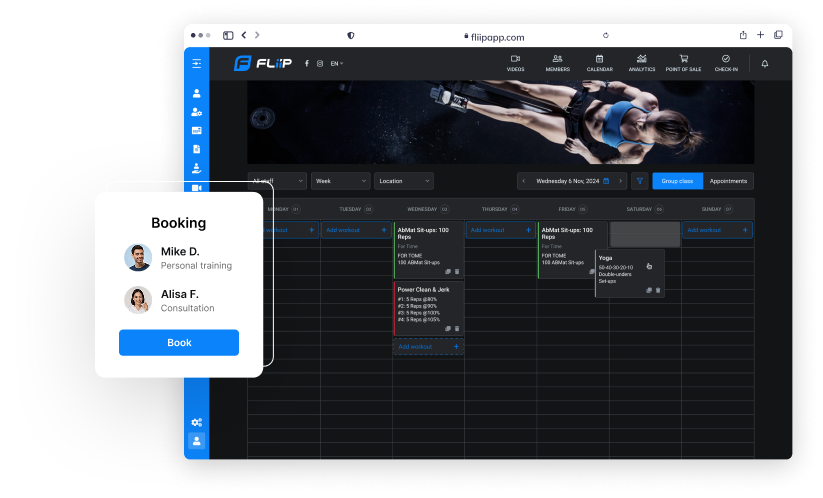
Here’s a breakdown of when different types of classes tend to perform best in a commercial gym scheduling strategy:
🚀 Morning Classes (Best for High-Energy & Structured Workouts)
Best Time: 5 AM – 9 AM
Early-morning gym-goers tend to be structured, disciplined, and time-conscious. They want efficient, results-driven workouts that set the tone for their day.
✅ What Works Well:
- HIIT & Functional Fitness – Short, intense workouts that maximize time.
- Strength Training & Lifting Classes – Great for those who prefer structured programming.
- Cycling & Boot Camps – High-energy formats that provide motivation to start the day strong.
📌 Pro Tip: Consider branding your morning workouts as an exclusive “5 AM Club” or “Sunrise Strength” program to build a dedicated community.
💼 Lunchtime Classes (Quick & Efficient Workouts for Busy Schedules)
Best Time: 11 AM – 2 PM
Many professionals use their lunch break to squeeze in a workout. They need fast, effective sessions that allow them to get in and out without sacrificing results.
✅ What Works Well:
- 30-45 Minute Express Classes – Circuit training, core workouts, or bodyweight classes.
- Yoga & Mobility Workouts – Low-impact but energizing for those needing a midday reset.
- Boxing or Kickboxing – High-intensity but structured workouts that don’t require long warm-ups.
📌 Pro Tip: If your gym is near office spaces, partner with local businesses to offer corporate gym memberships or discounts for lunchtime sessions.
🏆 Evening Classes (High Demand for Group Fitness & Social Workouts)
Best Time: 5 PM – 8 PM
Evenings are prime time for most gyms, as members come in after work. These classes tend to have the highest attendance, making it essential to schedule the most engaging and social workouts.
✅ What Works Well:
- CrossFit, Boot Camps & Circuit Training – Group energy makes workouts more fun and engaging.
- Dance Fitness & Zumba – Great for members looking for social, music-driven workouts.
- Spin & Rowing Classes – High-intensity, community-driven workouts that work well in peak times.
📌 Pro Tip: Offer “Happy Hour Workouts” with themed classes or post-class social events to keep members engaged and build community.
🛠️ Weekend Scheduling (Flexibility & Specialty Classes)
Best Time: 8 AM – 2 PM
Weekends are different, many members sleep in or have family commitments, so morning and midday classes tend to perform best.
✅ What Works Well:
- Specialty Classes – Olympic lifting, skill workshops, or longer endurance training.
- Recovery & Mobility Sessions – Yoga, stretching, and breathwork classes for those prioritizing rest days.
- Family-Friendly Fitness – Parent-child fitness classes, group hikes, or team-based workouts.
📌 Pro Tip: Weekends are a great time to introduce new formats or host trial classes to gauge interest before adding them to the regular schedule.
When done right, commercial gym scheduling isn’t just about filling time slots, it’s about making sure every session is packed with engaged members who keep coming back.
How to Fill More Seats in Classes & Maximize Space Usage
A packed class brings energy and engagement, while an empty one feels awkward, for both instructors and members. Every gym owner has looked at a half-full class and thought, What went wrong? The good news? Small scheduling tweaks can turn low attendance around.
Here’s how to get more members booked, showing up, and coming back.
Pay Attention to Demand, And Adjust Accordingly
Not every class is going to be a hit, but you don’t have to rely on gut instinct to figure out what works. Check your attendance numbers.
- If a class is consistently packed, consider adding another time slot.
- If a class struggles to fill up, don’t scrap it right away, test a different time first. A small shift (like moving a 6 PM class to 6:30) can make a big difference.
- Waitlists are a great way to measure demand. If a class always has a waitlist, there’s room to expand. If no one joins the waitlist, it might be time to rework that offering.
One gym we worked with had a strength training class at 7 PM that kept underperforming. Instead of cutting it, they shifted it to 6 PM, right after a busy HIIT class, and promoted it as a “strength add-on.” Attendance shot up within a couple of weeks as word spread out!
Get Members to Commit in Advance
People are more likely to show up when they’ve locked in their spot. If your members can just “drop in” without booking, there’s a good chance they’ll skip when life gets busy.
- Require pre-registration through gym software, it creates a sense of commitment.
- Send automated reminders a few hours before class. A simple text or email can reduce no-shows.
- Charge a small no-show fee or limit booking privileges for members who repeatedly ghost.
Some gyms run “attendance streak” challenges, where members earn small rewards (like a free smoothie or guest pass) for attending a set number of classes in a row. It’s a low-cost way to keep people showing up.
Balance Class Timing to Avoid Overcrowding
Nothing frustrates members more than a packed class running alongside a gym floor that’s already too crowded to move. Be strategic about how classes impact overall space usage.
- Be mindful of peak gym hours. If the free weight section is already slammed at 6 PM, don’t schedule a large strength training class at the same time.
- Stagger high- and low-intensity classes. A HIIT class finishing as a yoga session starts keeps energy levels balanced.
- Use underutilized areas. Got a turf zone that sits empty mid-morning? That’s prime real estate for a mobility or core class.
A well-planned commercial gym scheduling strategy keeps classes full, operations running smoothly, and members coming back. The right schedule balances peak hours, optimizes space and ensures every session adds value to your gym.
4. Balancing Open Gym & Class Availability
Not every member wants a structured class, many just want to lift, hit the treadmill, or follow their own routine. A well-planned commercial gym scheduling strategy ensures that both class-goers and open gym users can train without stepping on each other’s toes.
Make Sure Classes Aren’t Taking Over the Gym Floor
Group classes bring energy, but they can also disrupt members who just want a regular workout. If a class relies on shared equipment, it needs to be scheduled carefully to avoid bottlenecks.
- If you run large group sessions, give them a dedicated area so they don’t spill onto the gym floor.
- Avoid scheduling equipment-heavy classes during peak gym traffic. A barbell-based strength class at 6 PM can create issues if the racks are already in high demand.
- Keep prime-time slots open for general gym use so members don’t feel like they’re forced into classes they don’t want.
Spread Out Attendance to Avoid Bottlenecks
Too many members showing up at once can lead to overcrowding, while other times of day remain underutilized. A well-balanced schedule helps distribute attendance more evenly, making workouts more enjoyable and reducing strain on equipment and staff.
For example, if your gym sees overcrowded lunchtime classes but empty morning slots, offering a small incentive could help shift attendance. A simple "Early Bird Bonus", like a smoothie discount or a free guest pass for members who check in before 10 AM, might encourage more people to train earlier. While it won’t completely change peak-hour demand, it can create a steadier flow of members throughout the day.
Here are a few ways to keep attendance balanced:
- Offer alternative time slots for popular classes. A second evening option (e.g., 5:30 PM and 7 PM) helps ease congestion.
- Use slower hours for specialized programming. Personal training, recovery-focused classes, and beginner workshops work well in mid-morning or early afternoon.
- Encourage off-peak visits with incentives. Small perks like discounted sessions or guest passes can shift attendance patterns naturally.
Subtle schedule adjustments can make a big difference. A gym that feels spacious and well-organized, even during peak hours, keeps members coming back.
Using Gym Management Software for Scheduling Efficiency
Managing a gym schedule manually can quickly turn into a logistical nightmare. Between juggling class sign-ups, handling last-minute cancellations, and adjusting for demand, things can get messy fast. This is where gym management software becomes a game-changer.
Make Scheduling Easier for Everyone
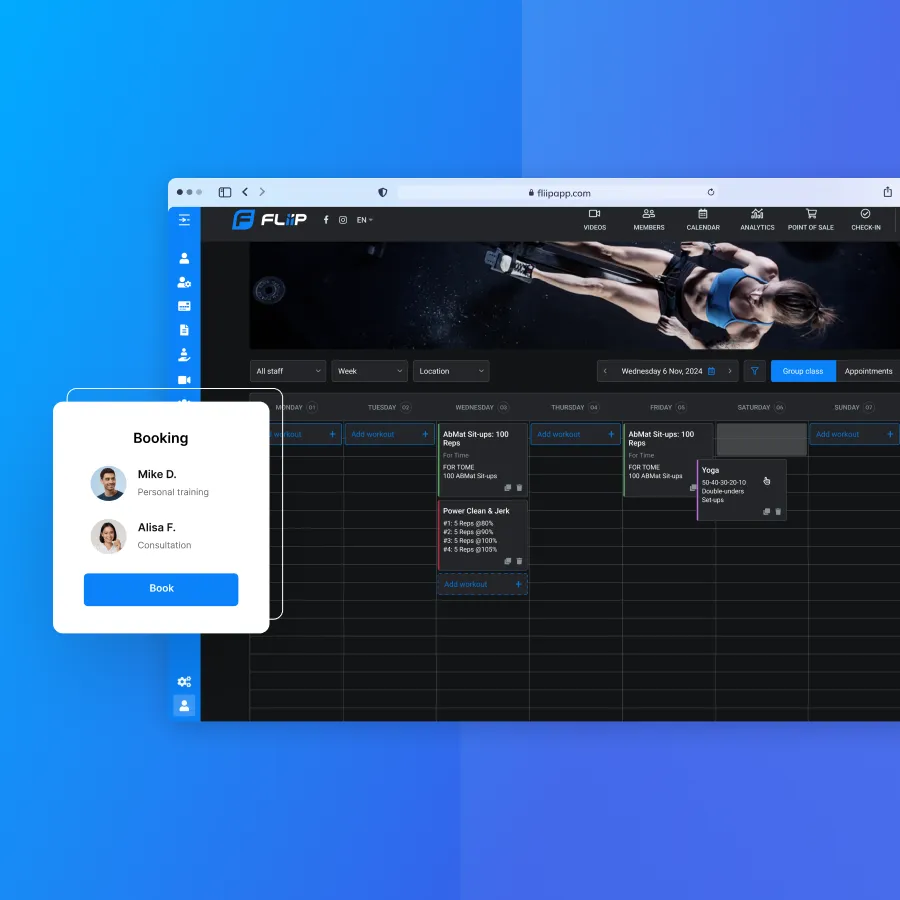
When members can book, reschedule, and cancel classes online, it takes a huge burden off your front desk staff. Instead of fielding phone calls or handling sign-ups in person, your system can automate the process and let members manage their own schedules.
A gym owner I spoke with used to handle all class bookings manually, which meant tracking attendance on spreadsheets and chasing members down for confirmations. Once they switched to a gym management platform, their no-shows dropped significantly because members received automated reminders and could cancel or rebook easily. More predictability, fewer headaches.
- Enable self-service bookings so members can sign up on their own.
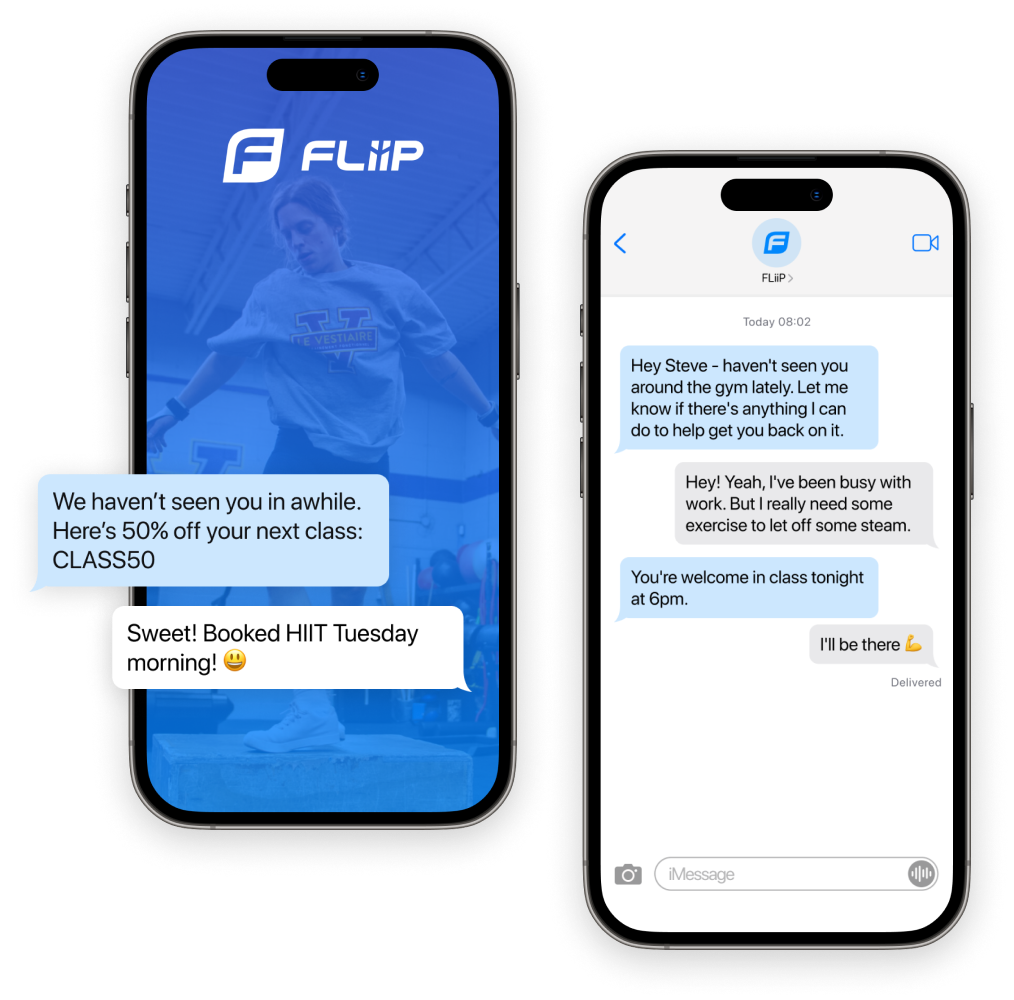
- Automate class reminders via email or text to reduce no-shows.
- Set up waitlists so spots don’t go to waste when someone cancels last minute.
Use Data to Fine-Tune Your Schedule
Relying on guesswork when scheduling classes can lead to empty time slots and frustrated members. Gym software provides real attendance data, showing which classes consistently fill up and which struggle to attract sign-ups.
For example, a 6 AM HIIT class might be at full capacity every morning, while the 7 PM session stays half-empty. Instead of keeping both on the schedule, it might make more sense to add another early morning slot and drop the evening one. Small adjustments like this can make a huge impact on overall attendance.
- Track which classes perform best and adjust accordingly.
- Spot trends in attendance and shift class times based on demand.
- Identify whether certain formats (HIIT, strength, yoga) are gaining or losing popularity.
Improve Member Retention Through Smarter Scheduling
A well-structured schedule keeps members engaged and coming back. When classes run on time, fill up consistently, and align with member demand, retention improves naturally. On the other hand, frequent cancellations, empty time slots, and an unpredictable schedule can push members to look elsewhere.
Gym management software helps streamline scheduling by:
✔ Reducing no-shows with automated reminders.
✔ Keeping classes full by offering waitlists when spots open up.
✔ Adjusting schedules based on real attendance patterns.
A gym that runs smoothly gives members fewer reasons to leave. When scheduling is handled efficiently, the focus stays where it should, on delivering a great experience.
Key Takeaways for Smarter Commercial Gym Scheduling
A well-structured commercial gym scheduling strategy keeps classes full, members engaged, and gym operations running smoothly. The right schedule helps avoid overcrowding, reduces no-shows, and ensures every session serves its purpose.
Gym owners should focus on:
- Schedule classes when members are most likely to attend. Mornings work best for structured workouts, lunchtime for express sessions, and evenings for social and high-energy classes.
- Use attendance data to fine-tune your schedule. If a class is consistently full, add another slot. If it struggles, test a different time before removing it.
- Encourage pre-booking to reduce no-shows. Let members reserve spots, send reminders, and implement waitlists to keep attendance predictable.
- Balance class timing with open gym availability. Avoid scheduling equipment-heavy classes during peak gym hours to prevent congestion.
- Use incentives to spread out attendance. Small perks, like early bird rewards or off-peak discounts, can shift traffic away from overcrowded time slots.
- Leverage gym management software to streamline scheduling. Automating class bookings, reminders, and attendance tracking makes scheduling easier and helps gym owners make informed adjustments.
A well-planned schedule doesn’t just fill time slots, it creates a better experience for both members and staff, making the gym more efficient and enjoyable.
Conclusion: Build a Schedule That Works for Your Gym and Your Members
A well-planned commercial gym scheduling strategy keeps classes full, reduces no-shows, and ensures members always have options that fit their routines. Instead of guessing what will work, use attendance data, member feedback, and scheduling software to make informed adjustments. Small changes, like shifting a class by 30 minutes or adding an incentive for off-peak workouts, can make a big impact on overall attendance.
Managing schedules manually can be overwhelming, but FLiiP makes it easier. With self-serve booking through the mobile app, members can reserve spots, join waitlists, and adjust their schedules on their own, reducing last-minute cancellations and front desk workload. Plus, all attendance data is stored in one place, giving you clear insights into which classes are thriving and which need adjustments.
Want to simplify scheduling and keep your gym running efficiently? Book a free call with our team to learn how we can help you!