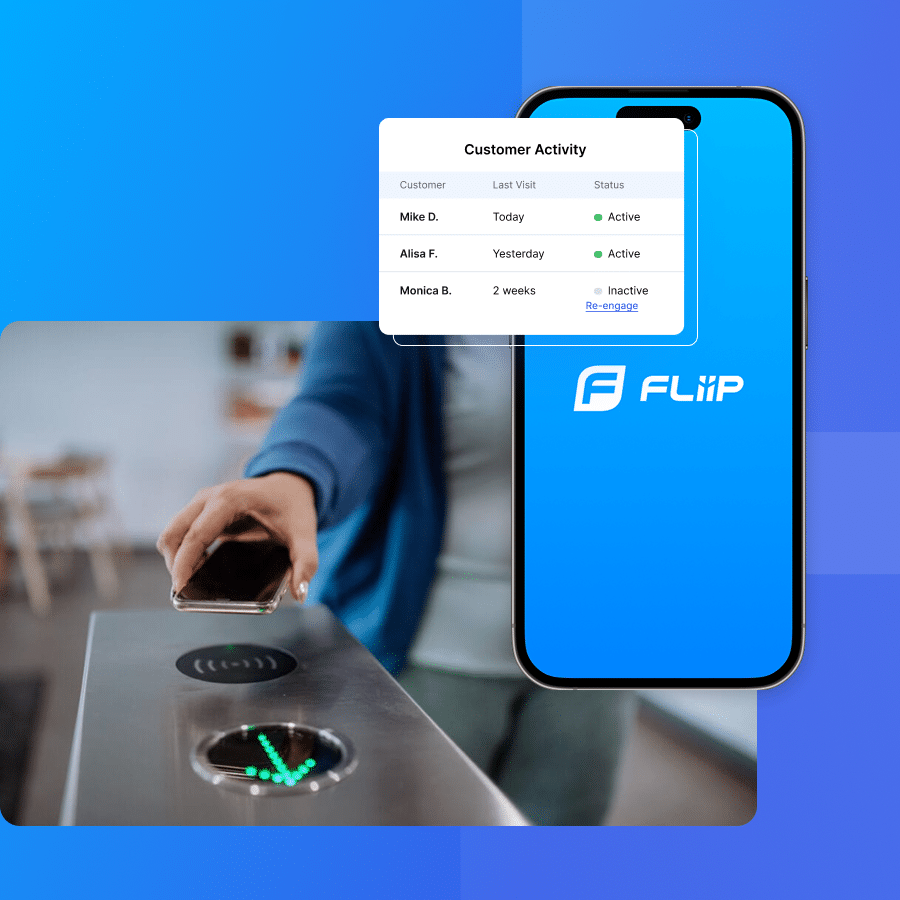
What is Gym Billing Software?

Gym billing software automates the billing process for gyms, fitness centers, and studios by handling everything from membership dues to class payments. Rather than manually managing payments, this software allows gym owners to set up automated recurring payments, track due dates, and send reminders for upcoming fees.
This software often integrates with other essential tools like gym scheduling systems, CRM platforms, and accounting software, creating an all-in-one solution to simplify operations. It can manage various membership plans, from monthly subscriptions to one-time payments for classes or personal training, and generate reports to give gym owners a clear view of their financial health.
Key features typically include:
- Automated billing and recurring payments.
- Payment gateway integration for secure processing.
- Member dues tracking and follow-up reminders.
- Comprehensive financial reports.
- Membership plan management and renewals.
By taking care of these tasks, gym billing software helps gym owners focus on growth and member engagement without getting bogged down by administrative work.
What Does Gym Billing Software Do?
Gym billing software automates the entire billing process, taking the headache out of managing payments. It tracks membership dues, processes payments, and easily handles overdue accounts. Whether members pay monthly, annually, or through customized plans, the software ensures each transaction is accurate and timely.
Beyond payments, gym billing software generates detailed financial reports, making monitoring cash flow and revenue trends easier. It can also manage failed payments by automatically sending reminders or retrying transactions, reducing the time staff spends chasing down missed dues. For gyms offering multiple services, the software can handle class fees, personal training sessions, and merchandise purchases, all under one system.
Examples of How Gym Billing Software Works
Automated Membership Payments
When a member signs up for a monthly membership, the gym billing software automatically schedules recurring payments based on the agreed-upon billing cycle. Each month, the system charges the member's credit card or bank account without the need for manual input.
Failed Payment Handling
If a member’s payment fails due to an expired card or insufficient funds, the software sends an automatic notification, prompting the member to update their payment information. It can also retry the transaction at set intervals.
Multi-Service Billing
Gym billing software can handle these separate charges for gyms offering additional services like personal training or group classes. When members book a session or class, the system adds the cost to their account, ensuring they’re billed accurately.
Custom Payment Plans
Some members may prefer annual memberships or flexible payment schedules. Gym billing software allows you to create customized payment plans, offering options like quarterly or biannual payments.
Financial Reporting
With just a few clicks, the software can generate detailed reports on revenue, outstanding payments, and overall financial performance. This helps gym owners stay on top of their finances and identify trends or areas needing attention.
What Doesn't Gym Billing Software Do?
While gym billing software is powerful for handling payments and automating financial tasks, it’s important to recognize what it doesn’t cover:
Financial Strategy and Long-Term Planning
The software can streamline transactions, but it doesn’t replace human financial oversight. Gym owners still need to monitor cash flow, set financial goals, and make strategic decisions about growth, pricing, and profit margins. Billing software handles the "what," but you still manage the "why" behind those numbers.
Member Retention and Engagement
Billing software can automate payments and reminders, but it doesn’t engage or motivate members to stay. While timely payments contribute to member retention, other factors, like gym culture, community building, and customer service, still play critical roles in long-term retention.
Dispute Resolution
The software can send payment reminders, but it won’t manage complex situations, such as payment disputes or negotiating alternative payment arrangements with members. Your staff will still need to communicate directly with members to handle these scenarios.
Tax Compliance and Advisory
While gym billing software tracks payments and generates reports, it won’t provide advice on tax strategies or help you prepare for tax season. You’ll still need an accountant or tax professional to ensure compliance with tax regulations.
Understanding these limitations helps you use gym billing software more effectively, complementing it with human expertise for strategic decision-making and member relationships.
With FLiiP, you can get software that not only handles the automation of financial tasks but also marketing and sales efforts to generate more leads and close more gym memberships. Book a free demo!
Is Gym Billing Software a Good Investment for a Gym or Fitness Studio?
Absolutely. Investing in gym billing software can offer significant returns, both in terms of operational efficiency and financial management. Whether you’re running a small studio or a multi-location fitness center, the benefits of automating your billing processes can lead to improved cash flow, reduced administrative costs, and better member satisfaction. Here's why it’s worth considering for gyms of all sizes:
1. Saves Time and Reduces Manual Work
Manually handling payments, sending invoices, and chasing overdue memberships can be time-consuming. With gym billing software, these tasks are automated, freeing up your staff to focus on more value-driven activities, such as member engagement and gym programming. Automation reduces the likelihood of errors, ensuring that payments are processed correctly and on time.
2. Improves Cash Flow Consistency
Late or missed payments can disrupt your gym’s cash flow, especially if your gym relies on recurring memberships. Automated billing ensures that payments are collected on schedule, giving you a more predictable revenue stream. Plus, timely reminders for overdue payments minimize revenue loss from late fees or forgotten dues.
3. Reduces Billing Errors
Manual invoicing can lead to mistakes, whether it’s incorrect charges, duplicate billing, or missed payments. Gym billing software eliminates these errors by automating the process, ensuring that each transaction is accurate. This accuracy not only improves your financial health but also builds trust with your members by providing a smooth and error-free payment experience.
4. Enhances Member Experience
A seamless billing process contributes to a positive member experience. Members can manage their payments effortlessly, whether through automated recurring billing or one-time payments via the software’s integrated portal. They can also access their payment history, update billing details, and receive timely reminders, which reduces the risk of service disruptions due to unpaid dues.
5. Scalable for Growth
As your gym grows, so do your billing needs. Whether you’re adding new membership plans, increasing class offerings, or expanding to multiple locations, gym billing software can scale with your business. Instead of overwhelming your staff with manual billing processes as your gym expands, the software can manage increased member loads, allowing you to focus on growth strategies.
6. Improves Financial Tracking and Reporting
Staying on top of your gym’s financial health requires detailed insights into revenue, expenses, and trends. Gym billing software provides real-time reporting, allowing you to track payments, monitor outstanding dues, and understand cash flow trends. These reports enable you to make more informed decisions regarding pricing, promotions, and memberships.
Investing in gym billing software is more than just upgrading your payment systems, it’s about improving your gym’s financial stability, enhancing the member experience, and positioning your business for long-term growth.
For gyms and fitness studios aiming for growth and smoother operations, gym billing software pays for itself through time savings, reduced errors, and improved financial management.
What Features Should You Look for When Buying Gym Billing Software?
Choosing the right gym billing software is key to maximizing its impact on your operations. Here are the essential features to look for when evaluating different platforms:
1. Automated Recurring Billing
The software should handle automated billing for memberships, class packages, or other recurring fees. This feature ensures payments are processed on time, reducing the administrative burden and improving cash flow.
2. Secure Payment Processing
Ensure the software integrates with trusted payment gateways like Stripe, PayPal, or Square, and offers secure payment options. The system should also support various payment methods, including credit cards, ACH transfers, and direct debit, making it convenient for your members to pay.
3. Customizable Invoices and Member Portals
Look for billing software that allows you to customize invoices with your gym’s branding and design a member portal where members can view their payment history, manage their accounts, and update billing information. This enhances the professional look of your gym while improving member satisfaction.
4. Flexible Pricing Structures
Your gym may offer different types of memberships, such as monthly, annual, or pay-as-you-go plans. The software should allow for flexible pricing models that can be easily adjusted to fit your business needs. It should also manage discounts, promotions, and prorated billing.
5. Integration with Accounting Platforms
If your gym uses accounting software like QuickBooks or Xero, ensure your billing software integrates seamlessly with these platforms. This integration allows you to sync payments, track revenue, and streamline financial management without manual data entry.
6. Payment Reminders and Notifications
Automated reminders for upcoming or overdue payments can reduce missed dues and help maintain steady cash flow. The software should be able to send notifications via email or SMS, keeping your members informed and minimizing the need for staff intervention.
7. Detailed Financial Reporting and Analytics
The software should offer robust reporting features that give you insights into revenue, outstanding payments, member payment history, and overall financial performance. These reports help you make data-driven decisions and spot trends that can influence future pricing strategies or promotional efforts.
8. Multi-Currency and Tax Management
If your gym operates in multiple regions or internationally, the software should support multi-currency billing and tax calculations. This ensures accurate invoicing and compliance with local tax regulations, making it easier to manage finances across different locations.
Selecting gym billing software with these features ensures you get the most value from your investment. The right solution will streamline your billing processes, enhance member satisfaction, and provide the flexibility needed to grow your business.

Pros and Cons of Gym Billing Software
Pros:
- Automated Billing: Gym billing software automates membership payments, reducing manual work and minimizing errors. This ensures payments are processed consistently and on time.
- Time Savings: By automating billing tasks, gym staff can focus on delivering better customer service, marketing, or growing the business rather than handling administrative tasks.
- Improved Cash Flow: Gym billing software helps maintain steady cash flow by enabling automatic recurring payments and reminders for failed transactions, minimizing missed or late payments.
- Financial Reporting: The software provides real-time financial insights, making it easier to track revenue, forecast trends, and identify improvement areas.
- Member Convenience: Many gym billing platforms offer self-service portals where members can update payment information, review their billing history, or change membership plans, reducing administrative burdens.
- Customizable Payment Options: You can offer flexible payment plans, discounts, or promotions tailored to your members’ needs, improving retention and attracting more sign-ups.
Cons:
- Upfront Costs: Some gym billing software solutions have significant upfront costs or subscription fees, which may be a concern for smaller gyms or startups with limited budgets.
- Learning Curve: Implementing new software requires staff training. Depending on the platform’s complexity, this can take time and lead to short-term productivity dips.
- Integration Issues: If your gym uses multiple systems (such as scheduling or CRM tools), not all gym billing software may integrate smoothly, leading to potential workflow disruptions.
- Dependency on Technology: While automation is beneficial, any technical issues, server downtimes, or glitches in the software can disrupt billing, leading to delayed payments or member dissatisfaction.
- Limited Features in Basic Versions: Some gym billing software solutions offer limited features in their base package, requiring additional fees to access essential tools like advanced reporting or custom integrations.
While the benefits often outweigh the drawbacks, understanding these pros and cons can help you choose the right gym billing software for your gym’s needs.
Can Gym Billing Software Help Me Launch a Mobile App?
Yes! Gym billing software can play a significant role in supporting the development of a mobile app for your gym, providing members with a seamless payment experience directly from their phones. Here’s how:
1. Integrated Payments via Mobile
When integrated with a mobile app, gym billing software allows members to make payments on the go. Whether it’s renewing a membership, purchasing class packages, or paying for additional services, members can handle transactions securely through the app. This convenience improves the member experience and encourages timely payments.
2. Self-Service Member Portal
A mobile app linked with your billing software enables members to manage their accounts independently. They can update billing details, view payment history, and set up automated payments, all from their smartphone. This reduces the administrative workload for your staff while offering flexibility to members.
3. Push Notifications for Payment Reminders
The integration of billing software with your mobile app also enables the app to send push notifications to remind members of upcoming payments or overdue balances. These notifications keep members informed and reduce the likelihood of missed payments.
4. Streamlined Registration and Payment Processes
Gym billing software integrated into a mobile app simplifies the entire registration process. New members can sign up, select their membership plans, and make their first payment all within the app, creating a frictionless onboarding experience.
Launching a branded mobile app that incorporates billing functionality can elevate your gym’s service offering, making it more convenient for members to manage payments while enhancing their overall experience.
What is the Cost of Gym Billing Software?
The cost of gym billing software can vary widely based on features, the size of your gym, and the pricing model of the software provider. Here’s a breakdown of typical pricing structures:
Subscription-Based Pricing
Most gym billing software is offered on a subscription basis, with monthly or annual plans. Prices generally range from $50 to $200 per month, depending on the features included. More comprehensive plans or those that cater to larger gyms may cost more, often starting at $300 to $500 per month
Pay-Per-Member Pricing
Some software charges based on the number of active members in your gym. This model usually starts at around $1 to $5 per member per month. This can be ideal for smaller gyms or studios with fewer members, but costs increase as your membership base grows.
Transaction Fees
In addition to the base subscription cost, some gym billing software providers charge a processing fee for each transaction, typically ranging from 1% to 3% of the transaction amount. This fee is often charged by payment gateways or merchant services that are integrated into the software.
One-Time Fees or Setup Costs
Some providers may charge a one-time setup fee, ranging from $200 to $1,000, depending on the complexity of your gym’s needs, such as custom integrations or data migration from previous systems.
Additional Features
Advanced features like reporting, CRM integration, or custom payment plans may be included in premium plans or as add-ons. These features can increase the overall cost by $20 to $100 per month.
The final cost depends on your gym’s size, the features you need, and the specific software provider. It’s important to weigh these costs against the value and efficiency the software can bring to your business.
Transparent Pricing Structure
One of FLiiP’s biggest advantages is its clear and straightforward pricing. There are no hidden fees, just pay for what you need! You can easily compare features across different plans to find the one that fits your business best.
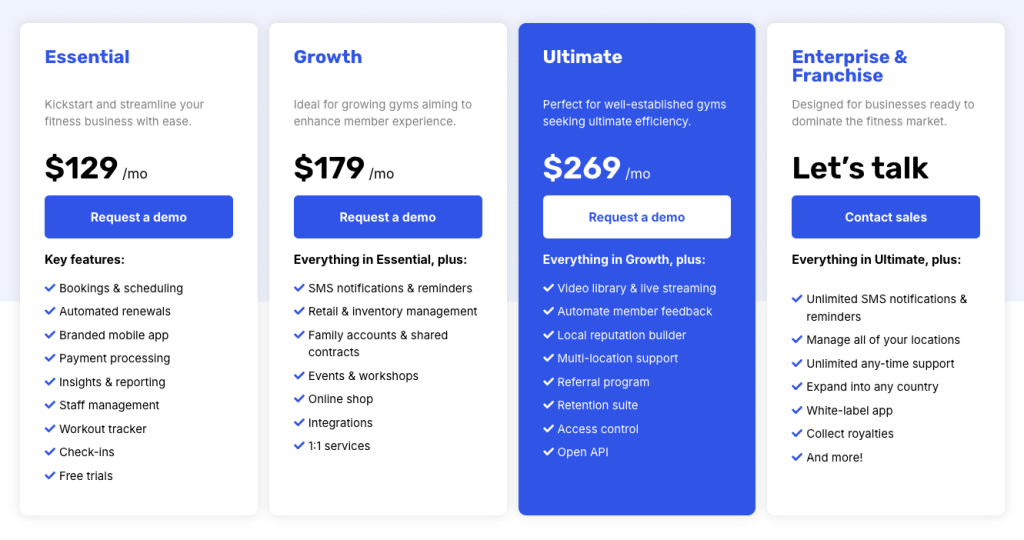
FLiiP’s user-friendly design and comprehensive features make it a compelling alternative for gym owners looking for an efficient, cost-effective solution to manage their business.
Book a Call with Us to Learn More:
- Why Use FLiiP vs. Others: See how FLiiP stands out from other tools and determine if it’s the best fit for your gym.
- Best Practices for Gym Owners: We consult with hundreds of gym owners each month, sharing innovative ways to enhance your operations.
- Features and Their Impact: Discover how our features can streamline your gym’s operations, reduce chaos, and simplify your life.
Choose FLiiP for a gym management solution that truly understands your needs and helps you achieve your goals efficiently and affordably.
How Does Gym Billing Software Integrate with Other Tools?
The ability to integrate with other essential tools is a key factor when selecting gym billing software. Seamless integration allows your gym’s billing processes to work in sync with other systems, reducing manual work and improving efficiency across the board. Here are some key integrations to consider:
1. Accounting Platforms
Integrating with accounting software like QuickBooks, Xero, or FreshBooks ensures that your financial data flows automatically between systems. This eliminates the need for manual data entry, reduces errors, and helps maintain accurate financial records. You can sync payments, invoices, and revenue reports directly into your accounting software, making bookkeeping and tax preparation easier.
2. Payment Gateways
Gym billing software typically integrates with multiple payment gateways, such as Stripe, PayPal, and Square, allowing members to pay via their preferred methods. These integrations ensure secure and seamless transactions, whether members are paying via credit card, direct debit, or ACH transfers. Offering multiple payment options improves member convenience and ensures timely payments.
3. CRM and Member Management Systems
Integrating billing software with CRM (Customer Relationship Management) tools or member management platforms allows you to centralize all member-related activities. By syncing billing information with your CRM, you can easily track payment history, manage membership renewals, and offer personalized promotions or discounts. This integration helps you provide better service and keep member information up to date across platforms.
4. Scheduling and Booking Systems
Many gyms use scheduling software to manage classes, personal training sessions, and bookings. Integrating your gym billing software with scheduling tools ensures that payment for classes is automatically tied to bookings, simplifying the process for both your staff and members. For example, if a member books a class, the billing software can automatically charge their account or deduct the fee from their membership package.
5. Marketing Automation Platforms
If your gym uses tools like Mailchimp or ActiveCampaign for marketing, integrating them with your billing software allows you to automate marketing campaigns based on payment data. For instance, you can automatically send reminders to members whose payments are overdue or promotions to those whose memberships are about to expire. This integration helps keep your marketing efforts aligned with your billing and membership cycles.
By choosing billing software that integrates with the tools your gym already uses, you can create a streamlined system that improves efficiency, reduces duplication of effort, and enhances the overall member experience.
Is Gym Billing Software Secure, and Does It Protect Client Data?
Data security is critical when handling sensitive payment information, and gym billing software is designed to ensure that your members’ personal and financial data are protected. Here's how gym billing software keeps your data secure:
1. PCI Compliance
Most reputable gym billing software providers are PCI DSS (Payment Card Industry Data Security Standard) compliant. This means they follow strict security protocols for processing, transmitting, and storing credit card information, ensuring that all transactions are secure. This compliance protects your gym from liability in the event of a data breach.
2. Data Encryption
Gym billing software typically encrypts data both at rest and in transit. This means that any sensitive information, such as member payment details, is scrambled using advanced encryption techniques and cannot be accessed by unauthorized parties. End-to-end encryption ensures that data remains secure throughout the entire transaction process.
3. Two-Factor Authentication (2FA)
To further enhance security, many billing platforms offer two-factor authentication (2FA) for both staff and member logins. 2FA requires users to provide two forms of identification, typically a password and a one-time code sent to their phone, before accessing the system. This additional layer of security prevents unauthorized access, even if a password is compromised.
4. Regular Backups and Disaster Recovery
Most cloud-based billing software solutions offer regular data backups, ensuring that all transaction and membership data is saved securely. In the event of a system failure, natural disaster, or cyberattack, your data can be quickly restored from backups, minimizing downtime and protecting your business.
5. Compliance with Data Privacy Regulations
For gyms operating in regions with strict data privacy laws, such as GDPR (General Data Protection Regulation) in the EU or HIPAA (Health Insurance Portability and Accountability Act) in the US, ensuring compliance with these regulations is essential. Many billing software providers offer features that ensure your gym adheres to these laws, protecting member data and avoiding hefty fines for non-compliance.
Security features like encryption, 2FA, and compliance with privacy laws provide peace of mind, ensuring that your members’ data is protected and your gym remains compliant with industry standards.
Can Gym Billing Software Be Customized for My Gym’s Specific Needs?
Customization is essential for gyms that offer unique membership structures, specialized pricing, or tailored promotions. Gym billing software can be customized to fit your gym’s specific needs in the following ways:
1. Custom Billing Cycles
Whether you offer monthly memberships, annual subscriptions, or class packages, the software should allow you to customize billing cycles to suit your gym’s offerings. You can set up recurring payments based on your specific schedule, ensuring that memberships are billed according to your preferred intervals.
2. Branded Invoices and Payment Portals
Many gym billing software solutions allow you to customize invoices and payment portals with your gym’s branding. This includes adding your logo, color scheme, and customized messaging, ensuring that all member-facing communications reflect your gym’s identity. This creates a professional and cohesive experience for members.
3. Flexible Membership Plans
If your gym offers different types of memberships, such as tiered pricing, discounted student rates, or family packages, the software should accommodate these variations. You can customize membership types, apply discounts, and create one-off payment options for special promotions or events.
4. Tailored Financial Reports
Gym billing software often allows you to customize the financial reports you generate. Whether you want to focus on monthly revenue, outstanding payments, or trends in member retention, you can tailor reports to provide the data that matters most to your business. These custom reports help you make data-driven decisions about pricing, promotions, and future growth strategies.
Customizing your gym billing software ensures that it meets the specific needs of your business, providing flexibility while maintaining an efficient and streamlined payment process.
Conclusion
Investing in gym billing software can be a game-changer for fitness businesses, simplifying financial processes, improving cash flow, and freeing up valuable time for both staff and gym owners. With automated billing, customizable payment options, and detailed financial reporting, it provides the tools needed to efficiently manage member payments while reducing errors and administrative workload. While the initial costs or learning curves may be concerns, the long-term benefits, improved operational efficiency, revenue consistency, and member satisfaction, make it a worthwhile investment for most gyms or fitness studios looking to scale and thrive.
FLiiP is proudly recognized by Capterra in the Capterra Value Report: A Price Comparison Guide for Gym Management Software. This report highlights the top gym management software products based on user reviews, including each product’s starting price and functionality details.