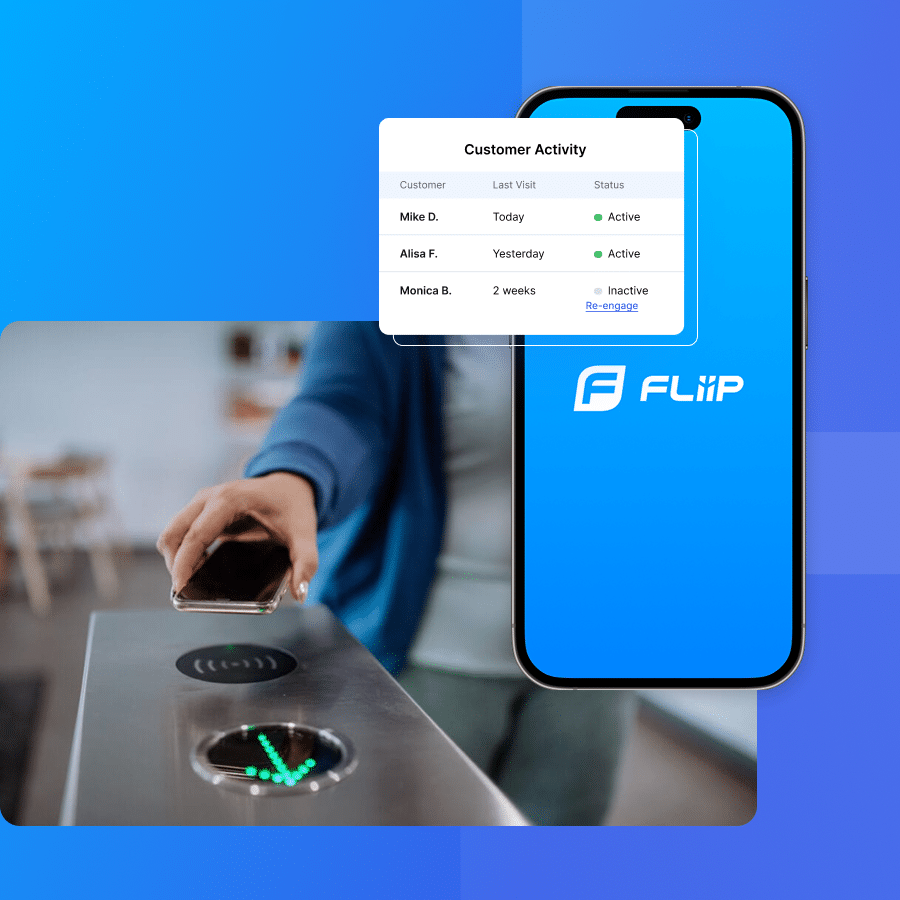
What is a Gym POS System?
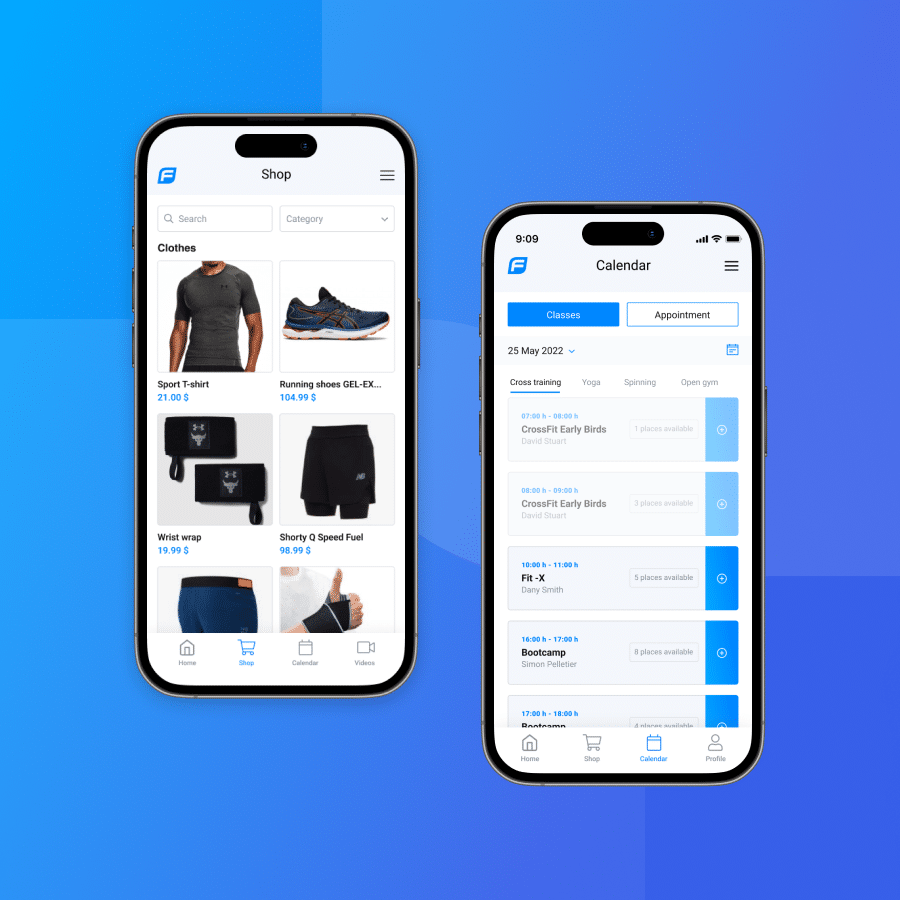
Handling transactions at a gym goes beyond simply processing payments for memberships. A gym POS system serves as a comprehensive solution designed to manage everything from memberships and class fees to retail product sales. It centralizes payments, streamlines operations, and enhances the member experience, making it an essential tool for gym owners looking to optimize efficiency.
While most people associate POS systems with retail, gyms and fitness studios have unique requirements that a tailored POS system can meet. A Gym POS System (Point of Sale) is more than just a payment terminal, it’s a versatile platform designed to handle the specific transactional needs of gyms and fitness centers. While it facilitates payments, it also integrates with other key operational systems to ensure seamless management of memberships, retail inventory, and class bookings.
This software is built to help gyms manage their finances efficiently and easily. It handles everything from one-off transactions to complex membership renewals, making it an invaluable tool in any gym’s operational toolkit. It’s tailored to meet the needs of small fitness studios and large, multi-location franchises, ensuring that payments and sales are processed quickly and securely.
Key Functions of a Gym POS System:
- Payments for Memberships, Classes, and Personal Training: Members can quickly pay for services directly through the system, ensuring a smooth transaction process for both staff and clients.
- Retail Sales Management: From protein powders to branded apparel, the POS system tracks inventory, processes sales, and even manages reordering for retail products.
- Membership Management: A gym POS system can handle membership renewals, automatic billing for recurring plans, and special offers like discounts for long-term memberships.
- Inventory Tracking: POS systems often come equipped with real-time inventory tracking, allowing gym owners to monitor retail stock levels, reorder products, and avoid over- or under-stocking.
- Payment History and Reporting: Gym owners can access detailed reports on all financial transactions, helping them track revenue and understand sales trends. This is vital for planning future promotions or adjusting pricing strategies.
Gym POS systems are designed to offer more than just payment functionality. They provide insight into how a gym operates financially, allowing owners to make informed decisions that can boost profitability and improve member satisfaction.
What Does a Gym POS System Do?
A gym POS system is designed to address the financial and operational needs of fitness centers, going beyond simple payment processing. The system integrates multiple functions into one platform, making it easier to manage both front-end transactions and back-end operations seamlessly. Let’s break down the primary functions of a well-designed gym POS system:
1. Streamlines Payments for Memberships, Classes, and Personal Training
A gym POS system simplifies the payment process for services such as memberships, personal training sessions, and group classes. Members can pay with credit cards, mobile wallets, or even set up recurring payments directly through the system. This not only reduces the time spent on transactions but also ensures that members remain in good standing without the hassle of manual renewals. It reduces friction in the payment process, allowing gym owners to focus more on member engagement.
2. Facilitates Retail Sales
Many gyms sell a variety of retail products, such as branded apparel, supplements, and fitness equipment. A gym POS system is equipped to handle these sales while also managing inventory levels. The system keeps track of each item sold, providing real-time stock updates and alerting staff when it’s time to reorder. With integrated retail management, gym owners can avoid overstocking or running out of popular items, ensuring they’re meeting the demands of their members while maximizing revenue.

3. Automates Membership Renewals
The system handles automatic membership renewals for ongoing subscriptions, reducing administrative work and ensuring that members’ access isn’t interrupted. This is particularly important for gyms that rely on recurring revenue. The system tracks upcoming renewals, processes payments automatically, and sends reminders to members when necessary. This automation helps reduce cancellations and missed payments while improving the overall member experience.
4. Manages Special Offers and Discounts
A gym POS system can help promote special offers, discounts, and seasonal memberships. Whether it’s a promotional discount for new members or a limited-time offer on personal training sessions, the system applies these discounts automatically at checkout. This feature allows gym owners to create flexible pricing strategies to attract new members while incentivizing existing ones to take advantage of additional services.
5. Tracks Payment History and Generates Financial Reports
One of the most valuable features of a gym POS system is its ability to generate detailed financial reports. These reports provide insights into sales trends, membership renewals, retail performance, and overall revenue. Gym owners can use this data to make informed business decisions, such as adjusting pricing, promoting underperforming services, or expanding retail offerings. With these insights, gym owners can track the financial health of their business and forecast future revenue more accurately.
6. Provides a Smooth Member Experience
Members appreciate a hassle-free experience when it comes to payments and purchases. A gym POS system allows for quick transactions, reducing wait times at the front desk or retail shop. Additionally, members can use mobile apps connected to the system to manage their memberships, make payments, or purchase products, offering a convenient self-service option that aligns with the expectations of today’s fitness consumers.
Learn More: Diversifying Your Gym’s Income Beyond Membership Fees
7. Manages Employee Sales and Commissions
For gyms that offer personal training or commission-based services, a POS system can track sales and attribute them to specific staff members. This feature is particularly useful for managing commissions, bonuses, or performance reviews. Gym owners can track which staff members are generating the most sales, providing incentives for performance while making payroll management more transparent.
A gym POS system does more than just process payments; it integrates essential operations, from retail sales to membership management, ensuring a streamlined approach that benefits both gym owners and members. However, it’s important to understand what it doesn’t do and where human intervention remains essential.
What Doesn’t a Gym POS System Do?
While a gym POS system offers plenty of automation and efficiency, it doesn’t cover every aspect of gym management. Relying solely on a POS system without recognizing its limitations can leave gaps in other areas of your business. Here's where a POS system falls short:
1. It Won’t Replace Member Engagement Efforts
Automating payments and retail transactions does not directly engage members or foster relationships. While a POS system ensures smooth transactions, it doesn’t create a sense of community or motivation. Gym owners still need to prioritize human interaction, whether through personal trainers, member events, or customer service initiatives. A great POS system supports your business operations, but building lasting member relationships requires personal touchpoints and engagement strategies.
2. It Doesn’t Handle Staff Management and Payroll
While a POS system can track sales and services provided by staff members (such as personal training sessions), it isn’t built to handle comprehensive staff management tasks like scheduling or payroll processing. Unless integrated with a separate HR or payroll system, gym owners will need other tools to manage staff performance, hours worked, and payment processing.
3. It Won’t Solve Operational Challenges Beyond Sales
Although a gym POS system excels in managing transactions and inventory, it doesn’t handle other operational tasks, such as facility maintenance, class scheduling, or equipment management. These elements require other specialized tools or manual oversight. For instance, tracking when gym equipment needs maintenance or scheduling regular cleanings cannot be automated through a POS system alone.
4. It Can’t Predict Customer Preferences
A POS system provides valuable data about what members purchase, but it cannot anticipate their future preferences or behavior. Gym owners should use data from the POS system to analyze trends, but member engagement, feedback, and personalized services are crucial for truly understanding customer needs. A combination of data-driven decisions and member input leads to better overall offerings.
Understanding these limitations helps gym owners use a gym POS system effectively, knowing where manual oversight and personal interaction still play an important role.
Is a Gym POS System a Good Investment?
Investing in a gym POS system is a strategic move that can significantly enhance the efficiency of your operations, boost revenue, and improve the overall member experience. While the cost of implementing a POS system may seem like an added expense at first, the long-term benefits far outweigh the initial investment. Here’s why a gym POS system is a valuable asset for your business:
1. Increases Revenue from Retail and Additional Services
A gym POS system helps streamline retail operations, making it easy for members to purchase products like supplements, apparel, or fitness equipment. With real-time inventory tracking and simplified checkout, you can capitalize on impulse buys and upsell opportunities without causing delays at the front desk. In addition, the system allows you to track and manage personal training sessions, classes, and other paid services, ensuring that all transactions are accurately recorded and billed.
2. Saves Time and Reduces Administrative Work
Manually processing payments, tracking memberships, and managing retail inventory can be time-consuming for gym staff. A POS system automates many of these tasks, reducing the workload for your team and minimizing human error. Automated billing for memberships, retail inventory management, and real-time payment tracking free up valuable time, allowing your staff to focus on member engagement and program development.
3. Enhances Member Experience and Convenience
A smooth, efficient transaction process enhances the overall member experience. Long wait times at the front desk or during checkout for retail products can frustrate members, leading to dissatisfaction. A gym POS system accelerates transactions and offers convenient payment options, including mobile and contactless payments. Members can also access self-service portals through mobile apps, allowing them to manage their accounts, pay for services, and purchase products with ease.
Learn More: How to Build Lasting Relationships with Gym Members
4. Provides Actionable Insights for Business Growth
A robust POS system doesn’t just process transactions, it provides valuable data that helps you understand your business better. Detailed reports on retail sales, membership renewals, and class bookings allow you to identify trends and opportunities for growth. For instance, you can track which products sell the most, which services generate the highest revenue, and which times of year see peak sales activity. Armed with this data, you can make informed decisions about inventory, promotions, and service offerings that will drive your gym’s success.
5. Improves Cash Flow Management
Gym POS systems that offer automated billing for memberships, class fees, and retail purchases ensure a steady and predictable cash flow. Recurring payments are processed on time, reducing the risk of missed dues or delays. Improved cash flow allows gym owners to plan more effectively, invest in equipment or facility upgrades, and better manage their business's financial health.
6. Scalable for Gym Growth
Whether you’re managing a small fitness studio or a multi-location gym, a POS system can scale with your business. As you add new services, expand retail offerings, or open additional locations, the system can easily accommodate these changes without disrupting your operations. This scalability ensures that you won’t need to overhaul your entire payment infrastructure as your business grows.
A gym POS system isn’t just about streamlining transactions; it’s a tool that supports long-term business growth, improves operational efficiency, and enhances the member experience. The return on investment (ROI) comes in the form of time savings, increased revenue, and better financial management.
What Features Should You Look for When Buying a Gym POS System?
When selecting a gym POS system, it’s crucial to choose one that aligns with your gym’s specific needs and operational goals. Here are the essential features you should look for:
1. Secure Payment Processing
The ability to process payments securely is a core function of any POS system. Look for a system that integrates with trusted payment gateways like Stripe, Square, or PayPal to ensure transactions are secure and PCI-compliant. It should also support various payment methods, including credit/debit cards, mobile payments (like Apple Pay or Google Pay), and ACH transfers. This flexibility makes it easier for members to pay through their preferred method, reducing friction at checkout.
2. Membership and Recurring Billing Automation
Your POS system should handle more than just one-off transactions. A key feature to look for is automated recurring billing for memberships. This allows you to set up automatic payments for ongoing memberships, ensuring members are billed on time without manual intervention. The system should also handle cancellations, renewals, and upgrades with ease, making it simple to manage member accounts and ensure a seamless experience.
3. Retail and Inventory Management
For gyms that sell products like supplements, fitness gear, or branded apparel, integrated retail and inventory management is essential. A good POS system will track sales in real-time, manage stock levels, and send alerts when products need to be reordered. This ensures you always have popular items in stock, maximizing sales while avoiding overstocking.
4. Detailed Financial Reporting
A gym POS system should provide in-depth financial reporting that goes beyond simple transaction logs. Look for software that offers customizable reports on revenue, memberships, retail sales, and even staff performance. These reports give you valuable insights into what’s working and where improvements can be made. Additionally, integration with accounting platforms like QuickBooks or Xero can further streamline your financial management, allowing for seamless synchronization of payment data.
5. Mobile and Tablet Compatibility
Flexibility in how and where you process payments is critical in a gym environment. A POS system that’s compatible with mobile devices or tablets allows staff to process payments on the gym floor, during classes, or at events without being tied to a front desk terminal. This mobility enhances convenience for both staff and members, making it easy to manage transactions anywhere within the gym.
6. Customizable Invoices and Member Portals
Personalization is key in offering a seamless member experience. Look for a POS system that allows you to customize invoices, receipts, and the member portal with your gym’s branding. This creates a more professional image and helps reinforce brand loyalty. A self-service member portal where clients can manage their accounts, view their purchase history, and update payment information adds an extra layer of convenience and reduces the need for manual intervention from staff.
7. Integration with Other Systems
A gym POS system works best when it’s part of a larger ecosystem of tools. Integration with other systems like CRM platforms, marketing automation tools, and member management software ensures that all your business processes are connected. This reduces duplication of effort, streamlines communication, and ensures a consistent experience for members across different touchpoints.
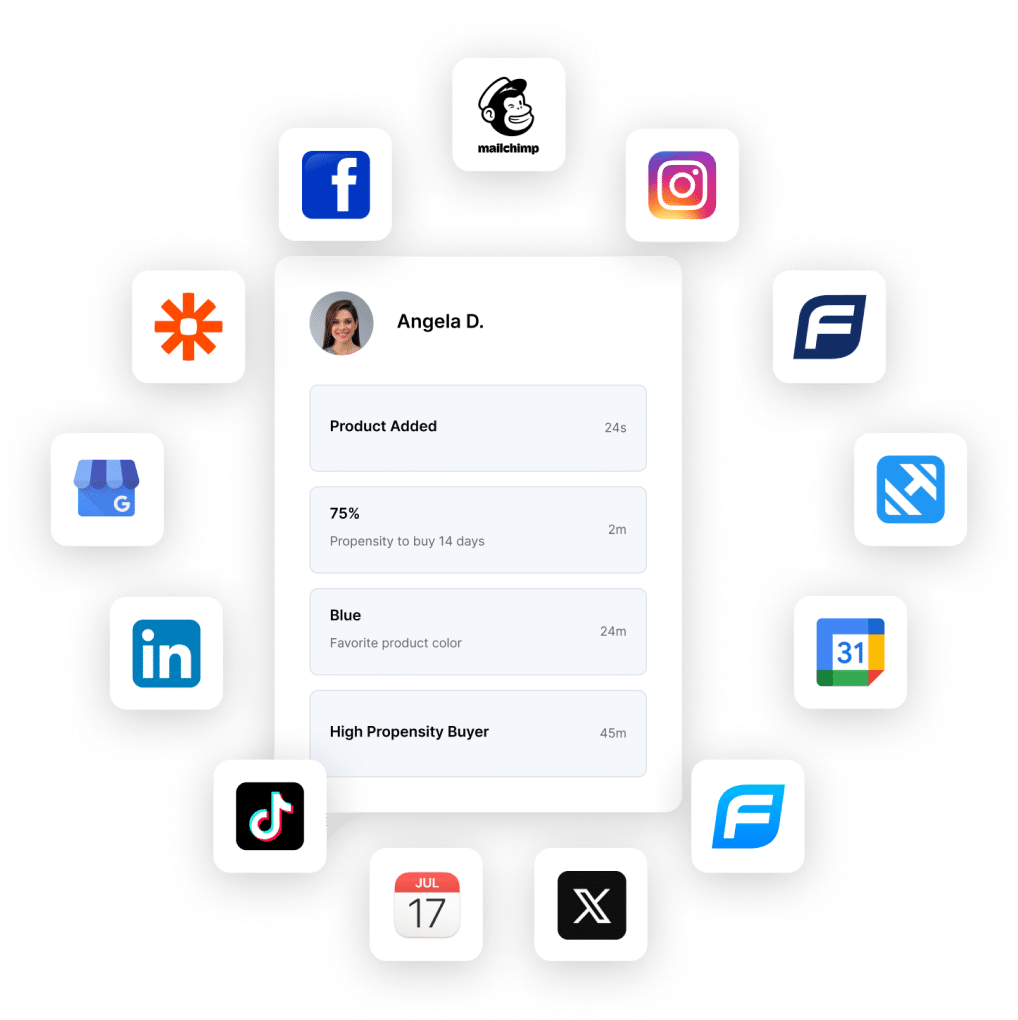
Selecting a gym POS system with these key features ensures that your gym’s payment processing, retail management, and financial reporting are as efficient and scalable as possible. This not only improves the day-to-day operations of your gym but also sets the stage for long-term growth and success.
Can a Gym POS System Help Me Launch a Mobile App?
A gym POS system plays a critical role in developing a mobile app that enhances the member experience and streamlines operations. Integrating your POS system with a mobile app allows members to make payments, manage their memberships, and even purchase retail items directly from their phones. Here's how a gym POS system can support the launch of a mobile app:
1. Streamlined Payments and Membership Management
A mobile app integrated with your gym POS system allows members to make payments on the go. Whether it’s renewing a membership, paying for a drop-in class, or purchasing personal training sessions, the app ensures that members can complete transactions quickly and securely. This convenience reduces barriers to payment and makes it easier for members to stay engaged with your gym. Additionally, members can update their payment methods, view their billing history, and manage their accounts, all without needing to visit the front desk.
2. Retail Purchases via the App
With a mobile app, members can browse and purchase gym merchandise, supplements, or other retail items from anywhere. The gym POS system tracks inventory in real-time, so members always see accurate stock levels. This feature extends your retail opportunities beyond the physical space of your gym, allowing members to buy products conveniently from their phones and pick them up at the gym later. It’s an excellent way to drive additional revenue and make your products more accessible.
3. Automated Notifications for Payments and Renewals
One of the major benefits of integrating a mobile app with your POS system is the ability to send automated reminders and notifications. Push notifications can remind members of upcoming membership renewals, missed payments, or special promotions. This automation keeps members informed and reduces the risk of missed payments, improving your gym’s cash flow and boosting retention.
4. Self-Service Features for Members
A mobile app integrated with a POS system provides members with the ability to manage their own accounts independently. They can check their membership status, update billing information, review purchase history, and sign up for classes or training sessions, all from their mobile device. Self-service features enhance convenience and minimize the administrative workload for your staff, while improving the member experience.
5. Loyalty Programs and Rewards
With a gym POS system integrated into your mobile app, you can easily set up loyalty programs or rewards for members. For example, you could offer points for each purchase or gym visit, which can then be redeemed for discounts on memberships or retail products. This gamified experience encourages more frequent gym visits and increases member satisfaction, while also boosting your revenue.
Launching a branded mobile app connected to your POS system not only modernizes your gym’s operations but also keeps members engaged with your services and offerings. It provides a seamless experience where members can manage everything from payments to class bookings, all in the palm of their hand.
What is the Cost of a Gym POS System?
The cost of implementing a gym POS system can vary depending on the size of your gym, the features you need, and the type of hardware required. Here’s a breakdown of the common cost factors to consider:
1. Monthly Subscription Fees
Most gym POS systems operate on a subscription basis, with costs typically ranging from $50 to $300 per month depending on the features included. Basic plans cover essential payment processing, retail sales, and financial reporting, while more advanced plans offer inventory management, mobile compatibility, and CRM integration.
- Basic Plans: Ideal for small gyms or studios, basic plans range from $50 to $100 per month and include standard payment processing, member management, and retail functionality.
- Mid-Tier Plans: For medium-sized gyms that require additional features like automated billing, inventory tracking, and financial reporting, mid-tier plans typically cost between $100 to $200 per month.
- Premium Plans: Larger gyms or multi-location fitness centers may require premium plans with advanced reporting, multi-location support, and full integration capabilities, which can cost $200 to $300+ per month.
2. Hardware Costs
Depending on the system you choose, there may be additional hardware costs associated with setting up a gym POS system. These can include tablets, mobile card readers, receipt printers, and barcode scanners for retail management. Hardware costs can range from $300 to $1,500, depending on the size and requirements of your gym.
- Tablet or Mobile POS: Many modern POS systems use tablets (like iPads) as terminals, allowing for greater flexibility and mobility within the gym. These devices typically cost $300 to $800.
- Card Readers and Terminals: Mobile card readers or traditional POS terminals for processing payments can cost between $100 to $500, depending on the complexity and features.
3. Transaction Fees
In addition to monthly subscription fees, most POS systems charge transaction fees for each payment processed. These fees typically range from 2% to 3% per transaction and vary based on the payment processor (e.g., Stripe, PayPal). Gyms processing high volumes of transactions should account for these fees in their overall cost analysis, as they can add up quickly.
4. Setup and Implementation Fees
Some gym POS providers charge a one-time setup or implementation fee, especially if you require significant customization or have a large operation. This fee can range from $200 to $1,000, depending on the provider and the complexity of your setup.
5. Add-Ons and Custom Features
If your gym requires additional features such as branded mobile apps, loyalty programs, or advanced reporting tools, these may come at an extra cost. Some providers offer these features as add-ons, with pricing ranging from $20 to $100 per month per feature.
Understanding the full cost of a gym POS system is essential when budgeting for this investment. While the upfront costs may seem high, the system’s ability to streamline operations, increase revenue, and improve member retention often delivers a strong return on investment over time.
How Does a Gym POS System Integrate with Other Tools?
Integration capabilities are a key factor when choosing a gym POS system. Seamless integration ensures that your POS system works harmoniously with the other platforms you already use, reducing manual work and creating a more cohesive business operation. Here’s how a gym POS system can integrate with essential tools:
1. Member Management and CRM Systems
Integrating your POS system with member management or CRM software ensures that member information stays consistent across all systems. When a member signs up for a class, purchases a product, or renews a membership, this data is automatically updated in your CRM. This integration helps you manage memberships, track member activity, and provide personalized service to improve retention.
2. Payment Gateways
A gym POS system must work seamlessly with payment gateways like Stripe, PayPal, or Square (to name a few) to process payments securely and efficiently. Integration with multiple gateways ensures that members can pay using their preferred method, while also offering advanced features such as recurring billing for memberships. The integration ensures that all financial transactions are processed securely and recorded accurately in your system.
3. Accounting Software
Integration with accounting platforms like QuickBooks or Xero allows gym owners to sync their financial data directly from the POS system. This eliminates the need for manual data entry, ensuring that income, expenses, and taxes are accurately tracked. Automating the flow of financial data helps gym owners stay on top of cash flow, prepare for tax season, and make informed financial decisions.
4. Inventory Management Systems
Integrating the POS system with an inventory management tool ensures that stock levels are automatically updated in real time as products are sold. This prevents over-ordering or running out of stock, helping you manage inventory more effectively. You can also set up automatic reorder triggers when stock levels fall below a certain threshold, ensuring that popular items are always available for members.
5. Marketing Automation Tools
Connecting your POS system with marketing tools like Mailchimp or HubSpot allows you to automate communications based on member activity. For example, you can send personalized emails or promotions to members after they make a purchase or sign up for a class. These marketing automations can be triggered by the data collected through your POS system, creating more targeted and effective marketing campaigns.
Learn More: Attract, Engage, Retain: Marketing Strategies for Gym Owners
Integrating your gym POS system with these tools creates a more streamlined and efficient business operation. It connects payments, inventory, member management, and marketing into one cohesive ecosystem, reducing manual effort and improving the overall member experience.
Is a Gym POS System Secure, and Does It Protect Client Data?
Security is one of the most critical aspects of any gym POS system, especially when handling sensitive member payment information. A robust POS system should provide top-tier security features that protect against data breaches, fraud, and unauthorized access. Here’s how a gym POS system ensures the safety of your members’ data:
1. PCI Compliance
One of the most important security standards for any POS system is PCI DSS compliance (Payment Card Industry Data Security Standard). This ensures that the system follows stringent protocols for handling and storing credit card information. PCI compliance minimizes the risk of data breaches and protects your gym from liability should a security incident occur. Before selecting a POS system, always verify that the provider complies with PCI standards to ensure secure payment processing.
2. Data Encryption and Tokenization
POS systems should encrypt all sensitive data, both during transmission and at rest. Encryption ensures that any information passed between your POS system and payment gateways is scrambled, making it nearly impossible for hackers to intercept and use. Some systems also use tokenization, which replaces sensitive card details with a randomly generated string (token), ensuring that card information is never stored on your servers. This extra layer of security reduces the risk of unauthorized access to sensitive member data.
3. Two-Factor Authentication (2FA)
To further secure access to the system, many POS solutions offer two-factor authentication (2FA). This requires users, whether staff or management, to provide two forms of identification when logging in, such as a password and a one-time verification code sent to their mobile device. 2FA helps prevent unauthorized access even if passwords are compromised, ensuring that only trusted users can access sensitive financial information.
4. Secure Payment Gateways
Integrating with trusted payment gateways like Stripe, PayPal, or Square provides an additional layer of security, as these platforms are designed with advanced fraud detection and data protection protocols. These gateways process payments securely, ensuring that card details are encrypted and handled according to the highest industry standards. Payment gateway security features, such as chargeback management and fraud alerts, offer further protection for your gym.
5. Regular Software Updates and Patches
A good POS system will receive regular updates from the provider to address potential vulnerabilities and enhance security. These updates can include patches for bugs, improvements to encryption methods, and enhancements to overall system performance. Keeping your POS system up to date is essential to maintaining a secure environment, as outdated software can leave your business vulnerable to cyberattacks.
6. Data Backups and Disaster Recovery
Many cloud-based POS systems offer automatic data backups, ensuring that all transaction records, member data, and financial reports are safely stored offsite. In the event of a hardware failure, natural disaster, or cyberattack, your data can be quickly restored from backups, minimizing downtime and preventing data loss. A solid disaster recovery plan ensures that your gym can continue operations even after a major incident.
7. Compliance with Data Privacy Laws
Depending on where your gym operates, you may also need to comply with local data protection laws such as GDPR (General Data Protection Regulation) in Europe or HIPAA (Health Insurance Portability and Accountability Act) in the United States. These regulations govern how businesses handle, store, and share personal data. A reputable POS provider will offer tools and settings to help ensure your gym remains compliant with these regulations, protecting both your business and your members.
Choosing a gym POS system with robust security features protects your business from financial fraud, data breaches, and unauthorized access. It’s crucial to partner with a provider that prioritizes data security and offers the necessary protections to safeguard sensitive information.
Can a Gym POS System Be Customized for My Gym’s Specific Needs?
A high-quality gym POS system should offer customization options that align with your unique business needs. Since no two gyms operate the same way, having the flexibility to tailor the system’s features to fit your services, pricing, and member preferences is essential. Here’s how gym POS systems can be customized for different gym operations:
1. Custom Billing Cycles and Membership Plans
Gyms often have different types of memberships, from monthly subscriptions to class-based packages or one-time payments for personal training. A customizable POS system allows you to create flexible billing cycles, offering members options that best fit their needs. Whether you offer recurring billing, annual memberships, or drop-in rates, the system should adapt to your pricing structure and automatically handle renewals, cancellations, and prorated charges.
2. Tailored Retail and Inventory Management
If your gym sells retail items like supplements, apparel, or fitness equipment, a POS system with customizable inventory management is crucial. The system should allow you to categorize and track different product types, set custom stock levels, and offer tailored promotions or discounts based on sales performance. This flexibility ensures that you can optimize your retail operations, offering the right products at the right time to boost sales.
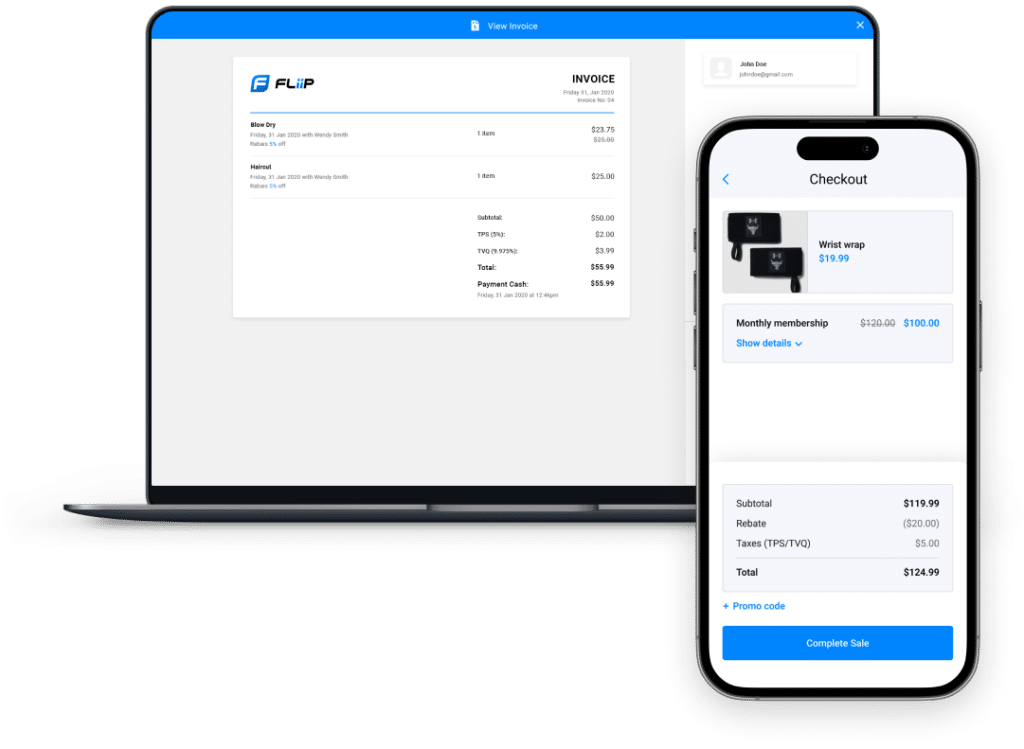
3. Branded Receipts, Invoices, and Member Portals
To create a consistent brand experience, a POS system should allow you to customize invoices, receipts, and member portals with your gym’s branding. Adding your logo, colors, and messaging to these touchpoints reinforces your gym’s identity and creates a professional image. Customizing the member portal also enhances the user experience, allowing members to easily manage their accounts, update payment details, and access purchase histories in a personalized environment.
4. Flexible Payment Structures and Discount Offers
A gym POS system should allow you to offer custom discounts, promotions, and loyalty programs. Whether it’s a special discount for new members, seasonal offers, or reward points for frequent customers, the system should be able to handle different payment structures and promotional campaigns. These features allow you to create incentives that encourage more purchases and help retain loyal members.
5. Custom Reporting and Analytics
The ability to customize financial reports is critical for understanding the performance of your gym. A good POS system should offer customizable reports based on the metrics that matter most to your business, whether it’s membership growth, retail sales, or class attendance. Custom reports give you the insights needed to make data-driven decisions and identify areas where improvements or new opportunities exist.
6. Multi-Location Customization
For gyms that operate multiple locations, a POS system should provide multi-location management features that allow you to customize services, memberships, and pricing for each site. This ensures that each location operates according to its specific needs while still allowing you to view consolidated reports and manage data across all branches. Customizable multi-location support helps gym owners scale their businesses while maintaining a tailored approach to each facility.
Customizing your gym POS system ensures it aligns with your gym’s specific needs and enhances both operational efficiency and the member experience. From tailored membership plans to branded member portals, a customizable POS system empowers gym owners to create a seamless, personalized experience that drives satisfaction and revenue.
FLiiP: The Gym POS System That Understands Your Needs
When it comes to gym management, every detail matters. FLiiP is more than just a POS system, it’s designed specifically for gym owners who want to simplify operations while providing an exceptional member experience. Built by fitness professionals, FLiiP is tailored to the unique needs of gyms, from seamless payment processing to inventory management, all while offering flexibility and scalability as your business grows.
Why FLiiP Stands Out as the Ideal Gym POS System:
1. Transparent Pricing with No Hidden Fees
FLiiP offers a pricing structure that’s clear and straightforward. You only pay for the features you need, ensuring your POS system aligns with your budget, without the surprise costs. This means you have full control over your expenses while still benefiting from a powerful, customizable platform.
2. Simplified Membership and Recurring Payments
Automate your membership renewals and ensure consistent cash flow with FLiiP’s recurring billing features. FLiiP makes it easy for members to pay for memberships, classes, and personal training sessions, either in person or through a mobile app. With automated reminders and secure payment processing, you’ll reduce missed payments and increase member satisfaction.
3. Boost Retail Sales and Manage Inventory Efficiently
FLiiP allows you to track and manage retail sales directly from your POS system. Whether it’s gym apparel, supplements, or equipment, FLiiP helps you monitor stock levels in real time, ensuring you never miss a sale or run out of popular items. Plus, the system’s reporting features allow you to see what’s selling and when, helping you optimize your product offerings.
4. Mobile-Friendly, On-the-Go Solutions
FLiiP is built for today’s mobile-first world, allowing you to manage transactions from anywhere in your gym. Whether it’s processing payments at the front desk, selling retail items on the gym floor, or handling membership signups, FLiiP’s mobile-friendly interface ensures smooth operations wherever you are. Plus, members can manage their accounts and purchases through a branded mobile app, enhancing convenience and boosting engagement.
5. Customizable to Fit Your Gym’s Unique Needs
FLiiP understands that no two gyms are the same. That’s why it offers a high level of customization, allowing you to tailor membership plans, pricing, promotions, and even branded member portals to reflect your gym’s identity. This flexibility ensures you can provide a personalized experience to your members while managing operations efficiently.
6. Powerful Reporting and Insights
Make data-driven decisions with FLiiP’s comprehensive reporting features. Get real-time insights into sales, member activity, and overall gym performance. These reports help you track growth, optimize offerings, and make informed business decisions that contribute to long-term success.
7. Seamless Integration
FLiiP integrates with other essential tools like accounting software, payment gateways, and CRM systems, creating a streamlined experience that reduces manual work and keeps your operations running smoothly. From automated payments to inventory tracking, FLiiP connects all aspects of your business for seamless management.
FLiiP is the all-in-one solution built with gym owners in mind. Whether you’re looking to streamline transactions, boost retail sales, or improve member satisfaction, FLiiP offers the tools and support you need to grow your gym effortlessly.
Ready to take your gym to the next level? Book a free demo today and discover how FLiiP can help you enhance your operations and improve your bottom line.
Conclusion
A gym POS system is more than just a tool for processing payments, it’s a comprehensive solution that integrates payment processing, membership management, retail operations, and financial reporting into one seamless platform. With robust security features, integration capabilities, and customizable options, a POS system can streamline your gym’s operations, reduce administrative workload, and improve the overall member experience.
From automated billing and inventory tracking to launching a branded mobile app, a well-implemented gym POS system can help your business grow, increase revenue, and maintain a smooth operational flow. Whether you’re running a small fitness studio or managing multiple gym locations, investing in the right POS system provides the infrastructure necessary for long-term success.
Ready to take your gym’s operations to the next level? A gym POS system can empower you to manage transactions, boost retail sales, and offer your members a convenient, modern experience, all while ensuring the security and efficiency your business needs.