What is a Gym Membership Software?

Gym membership software is a digital tool designed to help fitness centers and gyms manage their members, streamline daily operations, and improve customer experience. It serves as the central hub for tracking member information, payments, class bookings, and communication.
Whether you're running a large fitness chain or a boutique studio, gym membership software makes it easier to oversee essential functions without the chaos of manual tracking or outdated systems.
What Does a Gym Membership Software Do?
Gym membership software is designed to automate and simplify a wide range of tasks that gyms, fitness studios, and wellness centers need to handle daily. By integrating various essential functions into one platform, gym membership software helps gym owners streamline operations, save time, and deliver a better experience to their members. Here’s a closer look at what gym membership software does and how it benefits both gym owners and their members:
Member Management
At the core of any gym membership software is its ability to efficiently manage members’ information. The software stores detailed profiles for every member, which typically include:
- Personal information (name, contact details, and emergency contacts)
- Membership type (monthly, yearly, or special plans)
- Sign-up and renewal dates
- Attendance history
- Notes on preferences or personal details relevant to gym activities (e.g., preferred classes or trainers)
This centralized database allows gym staff to access critical member information with ease. It eliminates the need for spreadsheets or paper-based systems and reduces the risk of lost or inaccurate records. Additionally, gym membership software enables tracking of individual member activity, making it easier to identify patterns such as high engagement or declining attendance.
Automated Billing & Payment Processing
One of the most time-consuming tasks for gyms is managing payments and renewals. Gym membership software automates this process by handling:
- Recurring membership payments: Payments for memberships are processed automatically on a set schedule (e.g., monthly or annually), reducing the need for manual billing.
- One-time purchases: Members can use the platform to buy additional services like personal training sessions, classes, or retail products (e.g., supplements or merchandise).
- Payment reminders and overdue notifications: The software sends automated reminders for upcoming renewals or overdue payments, helping reduce missed payments.
- Payment method updates: Members can easily update their payment methods or credit card information through the platform, ensuring that their accounts stay current.
Class Scheduling and Booking
Managing class schedules and bookings is a crucial function of gym membership software, especially for fitness centers offering group classes, personal training, or other time-based services. The platform typically provides:
- Class scheduling tools: Gym owners and trainers can create and organize class schedules, set class size limits, and even assign specific trainers to each class.
- Member booking system: Members can view class availability and reserve spots through an online portal or mobile app. This feature offers flexibility by allowing them to book classes at their convenience without needing to call or visit the front desk.
- Waitlists and cancellations: The software often supports waitlists for popular classes that reach capacity. If a spot opens up, it automatically notifies the next member on the list. Members can also easily cancel their bookings, freeing up space for others.
- Trainer and room scheduling: Beyond member-facing booking, gym owners can manage internal logistics by scheduling trainers and rooms for classes, avoiding double bookings or conflicts.
Member Self-Service Portal
A well-designed gym membership software typically includes a self-service portal where members can:
- Manage their profile: Update personal details like addresses, contact information, or emergency contacts.
- View their membership status: Members can see when their membership is set to expire, track their payment history, and renew their memberships directly through the portal.
- Book and cancel classes: As mentioned earlier, members have direct access to class schedules and can easily manage their bookings.
- Track attendance and progress: Some systems allow members to track their gym visits and view their progress toward fitness goals.
Reporting and Analytics
Gym membership software often includes robust reporting and analytics features that give gym owners insights into their business performance. These reports can be customized to track a wide range of metrics, such as:
- Membership growth and retention: See how many new members have signed up, how many have canceled, and overall retention rates.
- Class attendance: Determine which classes are most popular and which may need adjustments based on attendance data.
- Revenue tracking: Track revenue streams from memberships, class bookings, retail sales, and other sources.
- Member engagement: Understand how frequently members are visiting and whether they are using the services offered. This data helps gym owners create more personalized offers and increase retention.
Access Control Integration
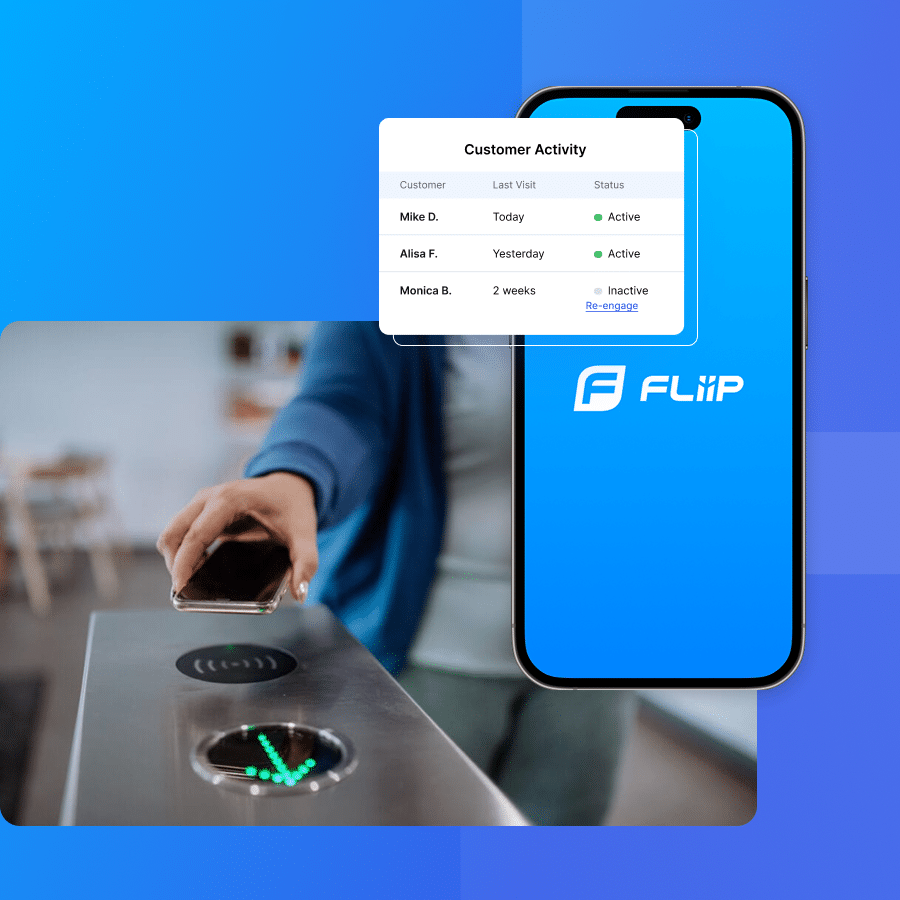
Many gym membership software systems offer integration with access control systems. This allows gym owners to automate entry for members using:
- Keycards or key fobs: Members can swipe their card or fob at the door to gain access to the gym.
- Biometric entry systems: Some advanced systems use fingerprint or facial recognition for access.
- Mobile app check-ins: Members can check in using a barcode or QR code on their mobile device.
Communication Tools
Effective communication is key to maintaining member engagement, and gym membership software includes built-in tools for reaching out to members. These tools allow gym owners to:
- Send automated emails or SMS: For reminders about upcoming payments, class schedules, or special promotions.
- Target specific member groups: Segment members based on activity levels, preferences, or class attendance and send personalized messages to those groups.
- Create newsletters and announcements: Share gym updates, new services, or holiday hours with the entire membership base.
Member Retention and Engagement
Ultimately, one of the key roles of gym membership software is to improve member retention. It does this by:
- Streamlining the member experience: Simplifying tasks like booking classes, renewing memberships, and making payments.
- Providing personalized engagement: Using data to offer personalized promotions or messages, making members feel more connected to the gym.
- Automating follow-ups: Ensuring members receive timely reminders for upcoming classes, payments, or renewals, keeping them engaged with the gym.
What Doesn’t a Gym Membership Software Do?
While gym membership software is a powerful tool for managing various aspects of a gym or fitness studio, it doesn't cover everything. Here are some areas where it typically falls short or requires additional tools:
Equipment Maintenance Tracking
Most gym membership software does not include features for tracking equipment maintenance schedules or handling repair requests. While it efficiently manages members and payments, it doesn’t usually monitor the condition of treadmills, weights, or other equipment. This means gym owners need a separate system to track when machines require service, repairs, or replacements to avoid downtime and ensure safety.
Marketing and Campaign Creation
Although gym membership software often includes basic communication tools like email or SMS notifications, it generally lacks advanced marketing capabilities. For example, it won’t create full marketing campaigns, design promotional materials, or perform deep segmentation for targeted advertising. For more complex marketing efforts, such as social media ads, lead generation campaigns, or email marketing automation, gyms typically need to integrate with external marketing platforms like Mailchimp, HubSpot, or Google Ads.
Personalized Workout Programs
Gym membership software can track member activity and attendance, but it doesn’t usually provide tools for creating individualized workout plans or tracking specific fitness goals. Personal trainers might still need to use separate fitness apps or manual systems to design and monitor custom workout routines for their clients.
Member Retention Strategies
Although gym membership software can help with retention by automating reminders for renewals or promoting engagement through notifications, it won’t develop a full member retention strategy alone. Retaining members often requires a combination of excellent customer service, personalized attention, and ongoing communication, tasks that require human effort alongside the technology. For example, the software won’t analyze why certain members are leaving or create personalized retention plans without additional input from gym staff.
Is Gym Membership Software a Good Investment for a Gym or Fitness Studio?
Absolutely, investing in gym membership software can be a game-changer for any gym or fitness studio. At its core, this software automates routine tasks like membership management, billing, and class scheduling, freeing up time for gym owners and staff to focus on what really matters, providing an exceptional member experience. The reduction in manual work alone makes it a valuable asset, as it significantly reduces administrative errors and ensures a more seamless operation.
Moreover, gym membership software helps drive revenue growth. Automating payments and sending timely renewal reminders reduces the risk of missed payments and ensures steady cash flow. It also makes it easy to track member engagement, helping gyms identify opportunities to upsell services like personal training or specialized classes. These small enhancements can lead to significant improvements in overall profitability.
Perhaps the most important benefit is its impact on member retention. With features like automated check-ins, personalized communication, and self-service options, the software helps gyms maintain a stronger connection with their members. When members find managing their bookings, payments, and interactions with the gym easy, they’re more likely to stay loyal. Retaining existing members is always more cost-effective than constantly acquiring new ones, making gym membership software a smart investment that pays off both in the short and long term.
In a competitive fitness market, standing out is crucial. Gym membership software equips your business with the tools to operate more efficiently, engage members more effectively, and scale as needed. For gyms looking to streamline operations and boost member satisfaction, the return on investment can be both immediate and substantial.
When Buying a Gym Membership Software, What Features Should You Look For?
Choosing the right gym membership software is crucial for the smooth operation and growth of your gym or fitness studio. Not all software solutions are created equal, so knowing which features to prioritize ensures you make a smart investment that meets your business needs. Here are the essential features to look for when selecting gym membership software:
1. Ease of Use
A user-friendly interface is non-negotiable. Both staff and members need to navigate the software easily, without extensive training or technical know-how. If the software is too complicated or requires too much effort to use, it can frustrate both your team and your members, leading to wasted time and poor member experience. A clean, intuitive interface will make everything from managing bookings to handling payments more seamless.
2. Automated Billing and Payment Processing
One of the biggest time-savers a gym membership software offers is automated billing and payment processing. Look for software that supports multiple payment methods, including credit cards, direct debit, and mobile payment options. Automated billing ensures that memberships renew on time, late payments are reduced, and revenue flows smoothly. Plus, built-in features like payment reminders, automatic retries for failed transactions, and easy member access to update their payment information can eliminate manual billing headaches.
3. Class and Schedule Management
If your gym offers group classes, personal training, or any scheduled services, class and schedule management tools are critical. The software should allow members to easily view class availability, book spots, join waitlists, and cancel bookings if needed, all from their smartphones or computers. On the backend, you’ll need to manage class capacities, instructor availability, and real-time attendance data. Having an efficient scheduling system will keep your classes organized and help prevent overbookings or cancellations.
4. Member Portal and Self-Service Options
Members today expect convenience, and a self-service portal is a must. The portal should allow them to manage their own accounts, updating personal details, booking classes, checking payment history, and even tracking their attendance or fitness progress. This not only enhances their experience but also reduces the workload on your staff. Look for software that offers mobile-friendly access, as many members will want to handle these tasks on the go.
5. Reporting and Analytics
Data is power when it comes to growing and improving your business. Comprehensive reporting and analytics features should be a top priority in gym membership software. The software should provide insights into key metrics such as:
- Membership growth: Tracking new sign-ups, cancellations, and renewals.
- Revenue: Understanding where your income is coming from, whether it’s from memberships, personal training, or product sales.
- Attendance trends: Knowing which classes or services are the most popular and when peak usage times occur.
6. Member Engagement and Communication Tools
Keeping members engaged is key to retention, and communication features within your gym membership software can help with this. Look for software that allows you to send automated emails or SMS notifications for key actions like booking confirmations, payment receipts, and upcoming membership renewals. Ideally, the system should also enable targeted communication, allowing you to send personalized messages or offers based on individual member behavior, preferences, or attendance patterns.
7. Access Control Integration
Integration with access control systems is essential for gyms with 24-hour access or restricted entry. The software should work with keycards, fobs, or biometric systems (like fingerprint or facial recognition) to grant or deny access based on the member's status. This ensures that only active members can access the facility, enhancing security while tracking attendance data. This feature is invaluable for gyms with multiple entry points or 24/7 operations.
8. Customizable Membership Plans
Not all gyms offer one-size-fits-all memberships. The software should allow you to create various membership types, such as monthly, annual, class-based, or pay-as-you-go plans. It’s also important that it can handle promotional offers, discounts, and family or group memberships. The more flexibility you have with customizing memberships, the better you can serve different types of customers and create pricing options that suit their needs.
9. Mobile App Integration
Many gym members want to manage their fitness experience through their mobile devices. Whether it's booking a class, updating payment details, or checking in for a workout, having mobile-friendly software or a dedicated mobile app enhances the user experience. If the software doesn’t come with its own mobile app, ensure it is optimized for mobile browsers so members can easily interact with the system.
10. Customer Support and Scalability
No matter how intuitive a software system is, issues may arise. Ensure that the gym membership software provider offers reliable customer support, whether through live chat, phone, or email. Additionally, as your gym grows, so should your software. Look for a solution that can scale with your business, whether that means adding new locations, handling an increasing number of members, or integrating new services over time.

What Are the Pros and Cons of a Gym Membership Software?
Pros:
- Efficiency: Automates time-consuming tasks like billing, class bookings, and renewals, freeing up staff.
- Improved Member Experience: Members can book classes, make payments, and track their attendance with ease.
- Better Reporting: Gives gym owners insights into attendance trends, membership growth, and financial performance.
- Increased Retention: Automated payment reminders and engagement tools help keep members loyal.
Cons:
- Cost: For smaller gyms, the subscription fee may feel like a significant investment.
- Learning Curve: Staff and members might need time to adjust to the software, particularly if it’s feature-rich.
- Potential Over-reliance: If your software goes down or encounters bugs, it could disrupt your operations temporarily.
What is the Cost of a Gym Membership Software?
The cost of gym membership software can vary significantly depending on the size of your gym, the features you need, and the software provider. Generally, pricing models fall into one of three categories: flat monthly fees, member-based pricing, or feature-based pricing. Here’s a breakdown of what you can expect:
Small Gyms or Studios
Basic gym membership software usually costs between $50 and $150 per month for small gyms or boutique fitness studios. This typically includes essential features like member management, automated billing, and class scheduling. For smaller businesses with fewer members and simpler operations, this price range is often sufficient to cover their needs without breaking the bank.
Mid-Sized Gyms
Medium-sized gyms or studios that need more advanced features, such as reporting tools, mobile app integration, or access control, can expect to pay between $200 to $400 per month. These solutions often come with more robust functionality and can handle larger member databases, more complex class schedules, and a wider range of payment options. Some systems in this price range also offer customer support, data analytics, and more personalized features.
Large Gyms or Chains
For large gyms, fitness centers with multiple locations, or franchises, pricing can go beyond $500 to $1,000+ per month. These software packages usually include advanced tools such as multi-location management, deeper analytics, custom reporting, premium integrations (like CRM and marketing platforms), and dedicated customer support. At this level, the software often scales to meet the demands of a growing business, handling thousands of members across different branches, and ensuring a seamless experience for both the gym and its customers.
Additional Costs
Some software providers may charge additional fees beyond the monthly subscription. These can include:
- Setup or implementation fees: For initial installation, training, or migrating data from existing systems. These fees can range from a few hundred to a few thousand dollars, depending on the complexity.
- Transaction fees: Some software charges a percentage per transaction for processing payments, often around 1-3%.
- Add-on features: You may also pay extra for specific features, like a custom mobile app, advanced marketing tools, or integrations with other systems like accounting software.
Free or Freemium Options
Some free or freemium options are available for very small gyms or those just starting out. These typically offer limited features and are best suited for gyms with very basic needs. However, it’s important to note that freemium options often come with significant limitations.
Many of these platforms may not include critical features like automated billing, advanced reporting, or integration with other systems. Support is often minimal or unavailable, leaving you to resolve technical issues on your own. As your gym grows, you may quickly outgrow these free plans and find that the cost of switching to a paid platform, or migrating your data, can be a hassle. While free solutions might work for the short term, they often lack the scalability and reliability needed for long-term growth.
Why FLiiP Might Be the Best Option for Your Gym
FLiiP is the all-in-one gym membership software designed to simplify your operations, automate billing, and enhance the member experience. With easy class scheduling, real-time reporting, and seamless mobile access, FLiiP gives you the power to focus on growing your gym.
With an impressive 4.8-star rating from gym owners, FLiiP has earned a reputation as the go-to solution for gym management.
Discover how FLiiP’s powerful tools can transform your business. Book a demo today and see firsthand how we can take your gym to the next level!
Conclusion
Investing in the right gym membership software can transform how your gym or fitness studio operates. From automating administrative tasks like billing and member management to enhancing the overall experience with features like class scheduling and self-service portals, this software is an essential tool for modern gyms. It not only saves time and reduces human error but also provides valuable insights into member behavior and business performance, helping you make data-driven decisions to grow your business.
While there are different pricing options, from basic, low-cost solutions to more advanced systems designed for larger gyms, it’s crucial to choose software that aligns with your gym’s needs. Be sure to consider key features like ease of use, automated billing, reporting tools, and mobile integration to ensure a smooth and efficient operation. And while freemium options may be tempting for startups, their limitations often make them less viable for long-term growth.
Ultimately, gym membership software is a worthwhile investment that can streamline operations, boost member retention, and support business scalability. By carefully selecting the right platform, you’ll be better equipped to offer a top-tier experience to your members while running a more efficient and profitable gym.