What is a Gym CRM Software?
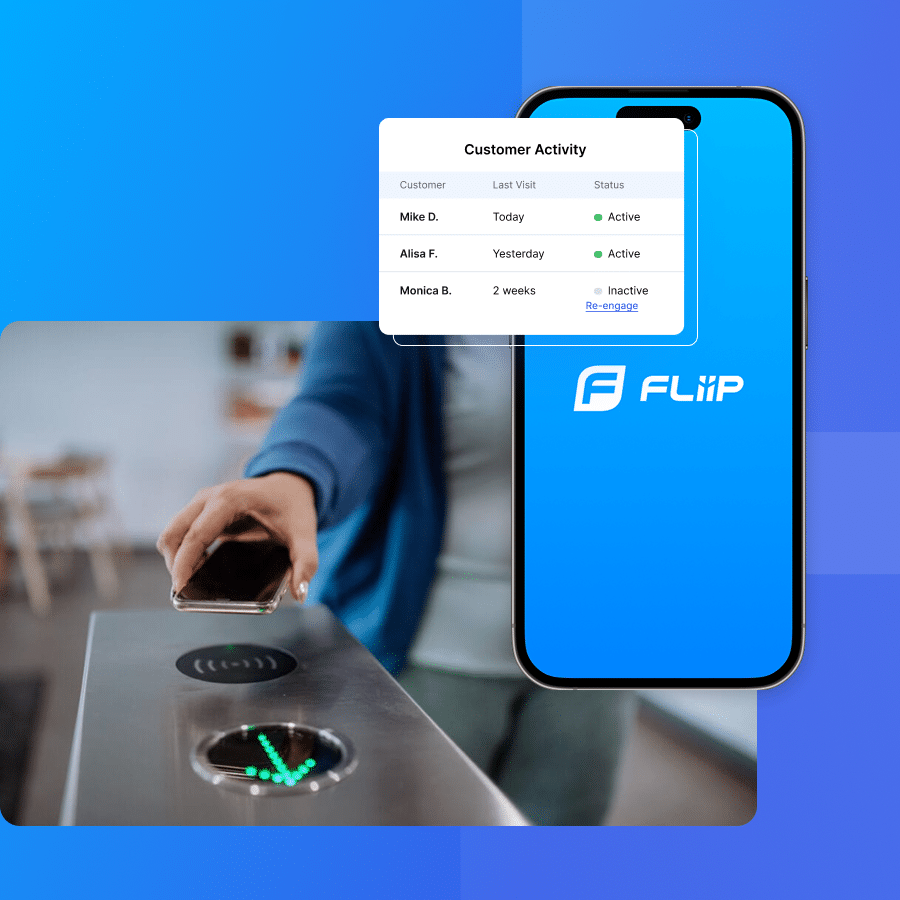
Gym CRM software, short for Customer Relationship Management software, is a powerful tool designed for fitness businesses like gyms, studios, and personal training centers. It helps manage all aspects of customer relationships, from lead generation and onboarding to engagement and retention.
Here's a breakdown of what a gym CRM can do:
Lead Management
- Capture leads: Collect information about potential clients through website forms, social media, referrals, or in-person interactions.
- Nurture leads: Automate personalized email campaigns and communication sequences to engage leads and guide them toward joining.
- Track lead progress: Monitor lead engagement and follow-up activity and track their journey through the sales funnel.
Member Management
- Centralized database: Store member details, including personal information, workout history, goals, and payment information.
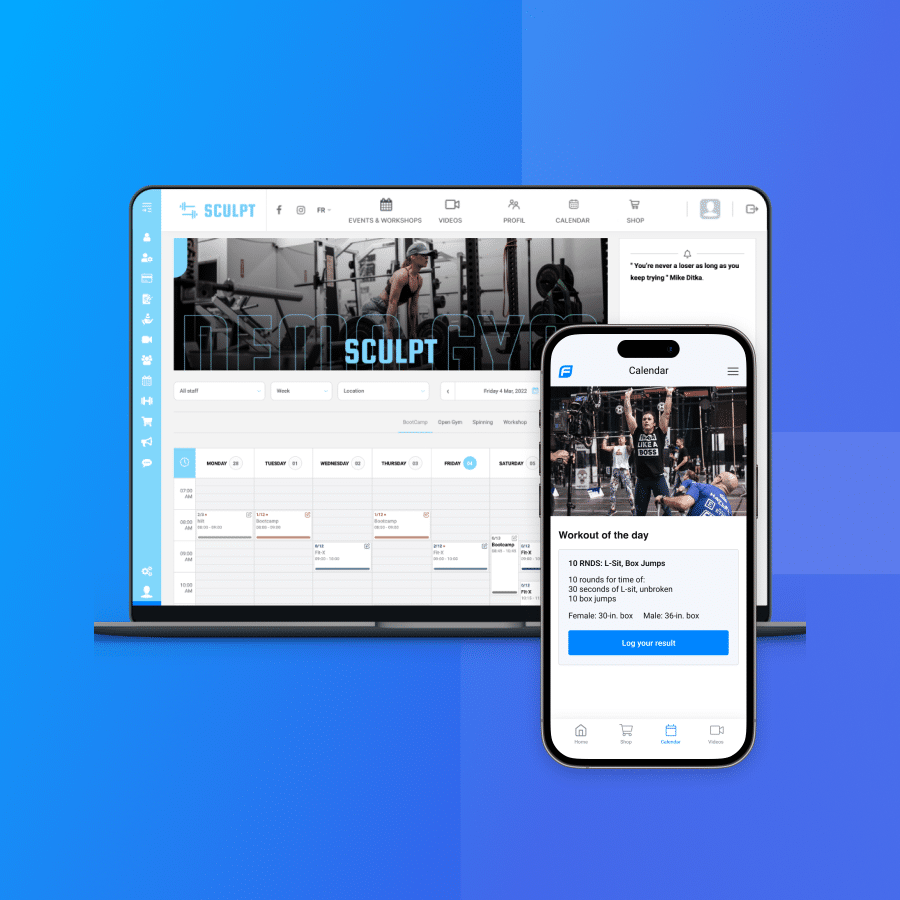
- Automated scheduling: Members can book classes, sessions, and appointments online, simplifying scheduling and reducing manual effort.
- Membership management: Track membership details, payments, renewals, and manage membership tiers.
- Personalized communication: Send targeted messages, reminders, and promotions based on individual member data and preferences.
Engagement & Retention
- Class and session management: Organize schedules, manage instructors, and monitor class attendance.
- Performance tracking: Enable members to track their progress and achievements using various metrics.
- Community building: Facilitate member interaction through forums, group messaging, or social media integration.
- Customer feedback: Collect feedback through surveys and reviews to understand member needs and improve services.
- Retention strategies: Identify at-risk members, implement personalized outreach, and offer incentives to encourage continued engagement.
Reporting & Analytics
- Track key metrics: Gain insights into member acquisition, retention, revenue, and overall gym performance.
- Analyze trends: Identify popular classes, peak times, member demographics, and more to inform business decisions.
- Generate reports: Create customized reports to track progress, understand customer behavior, and make data-driven adjustments.
Benefits of Using a Gym CRM
- Improved member experience: Personalized communication, streamlined scheduling, and convenient access to information enhance member satisfaction.
- Increased member retention: Targeted outreach, performance tracking, and community building foster stronger member relationships.
- Streamlined operations: Automated processes, central data management, and efficient communication save time and resources.
- Data-driven decision-making: Insights from reports and analytics empower gym owners to optimize services and strategies.
- Increased revenue: Effective lead management, membership management, and member retention drive business growth.
Popular Gym CRM Software Options
- FLiiP: The easiest fitness management software for gym owners. Save hours every week compared to other popular fitness club management software on the market.
- Mindbody: A comprehensive solution offering online booking, membership management, and marketing tools.
- Glofox: Focuses on studio management with features for class scheduling, staff management, and member engagement.
- Trainerize: A specialized CRM for personal trainers, offering workout programming, client tracking, and communication tools.
- GymSales: A robust solution with comprehensive features for lead generation, member management, and marketing automation.
Learn more: 15 Best CRM Gym Software for Gyms and Fitness Studios
The best gym CRM for your business depends on your specific needs and budget. Hence, it's essential to research different options, compare features, and choose a platform that can help you achieve your business goals.
What does a Gym CRM software do?
Gym CRM software is specifically designed to help fitness businesses manage their customer relationships and streamline operations. Here's a breakdown of its key functions:
Customer Management
- Centralized Database: Stores all customer information in one place, including contact details, membership plans, workout history, attendance records, payment details, and preferences.
- Lead Capture & Management: Tracks leads, captures information, and allows for automated follow-up to convert them into members.
- Segmentation & Targeting: Groups customers based on factors like membership type, workout goals, demographics, and activity levels for targeted marketing and personalized communication.
Operations & Marketing
- Membership Management: Manages membership plans, renewals, cancellations, and billing processes.
- Class Scheduling & Booking: Allows members to book classes online, manage their schedules, and receive reminders.
- Automated Communication: Sends personalized emails, SMS messages, and push notifications for class reminders, promotions, and other relevant information.
- Marketing Automation: Creates targeted email campaigns, loyalty programs, and referral schemes to boost engagement and retention.
- Social Media Integration: Connects with social media platforms to promote events, share content, and engage with customers.
Performance & Analysis
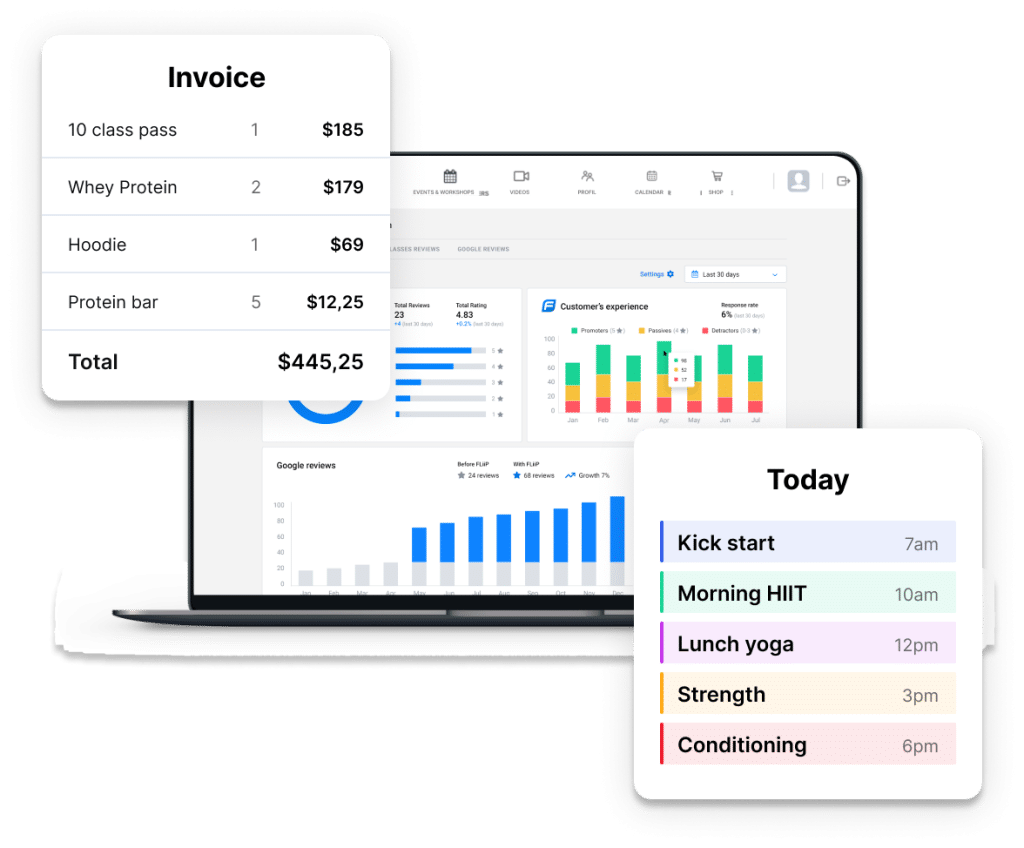
- Analytics & Reporting: Provides insights into customer behavior, class attendance, membership trends, and marketing campaign effectiveness.
- Sales & Revenue Tracking: Tracks sales, revenue, and key performance indicators (KPIs) for business insights and decision-making.
Other Features
- Point of Sale (POS) Integration: Processes payments, manages inventory, and provides real-time sales data.
- Staff Management: Helps manage staff schedules, track performance, and communicate important information.
Benefits of Using a Gym CRM
- Improved Customer Experience: Personalized communication, convenient booking, and tailored recommendations enhance customer satisfaction.
- Increased Revenue & Retention: Targeted marketing, effective lead nurturing, and improved customer engagement drive revenue and reduce churn.
- Streamlined Operations: Automation of tasks like booking, scheduling, and billing frees up staff time and improves efficiency.
- Data-Driven Decisions: Real-time insights into customer behavior and business performance enable informed decision-making.
- Competitive Advantage: Gym CRMs help fitness businesses stay ahead of the curve by leveraging technology to enhance customer experiences and optimize operations.
Overall, gym CRM software is a valuable tool for fitness businesses of all sizes to manage customer relationships, streamline operations, and drive growth.
What Doesn't a Gym CRM Software Do?
While gym CRM software offers a vast range of features to streamline gym operations, there are some things it generally doesn't do:
Directly manage gym equipment
CRM software focuses on member and business data. It doesn't control or monitor gym equipment, such as treadmills or weight machines. For that, you'd need separate equipment management systems.
Provide live fitness instruction
While CRMs can help schedule classes and manage trainers, they don't deliver live fitness instruction. You'll need human trainers for that.
Offer nutritional counseling
While some CRMs might have features to track dietary information, they don't provide professional nutritional advice. You would need a qualified nutritionist for that.
Manage financial accounting
While CRMs can handle membership fees and other payments, they are not full-fledged accounting software. You would need separate accounting software to manage your gym's finances comprehensively.
Facilitate online workout plans
Some CRMs may have features to create workout plans, but they typically don't offer interactive platforms for members to complete those plans online. For that, you would need a dedicated workout app or platform.
Control access to the gym
While some CRMs can integrate with access control systems, they don't directly control access to the gym. This requires separate hardware and software solutions.
Provide medical diagnosis or treatment
CRMs are not designed to provide medical advice. You should always consult a healthcare professional for any medical concerns.
Automate marketing campaigns
While CRMs can help with targeted marketing efforts, they don't automate all aspects of marketing campaigns. You would still need to create content, manage social media, and handle other marketing tasks.
It's important to remember that gym CRM software is a tool to manage your gym business effectively, not a complete solution for everything. Therefore, you should consider what other software or services might be needed to fill the gaps in your gym's operations.
What Are Some Examples of How a Gym CRM Software Works?
1. Managing Memberships
- Automating membership renewals: The CRM automatically sends renewal reminders and processes payments, reducing manual work and increasing retention.
- Tracking membership types: The software tracks different membership tiers, their features, and pricing, enabling easy management of memberships and promotions.
- Managing member data: It stores member information like contact details, payment history, fitness goals, and workout schedules. This helps personalize communication and offers.
2. Scheduling & Class Management
- Booking and scheduling: Members can book classes, sessions, and appointments directly through the CRM, reducing administrative tasks for staff.
- Class availability & waitlist: Members can see available slots and join a waitlist for full classes, ensuring convenient access and maximizing class attendance.
- Managing instructors & staff: The CRM schedules instructor availability, tracks their performance, and facilitates communication between staff and members.
3. Communication & Engagement
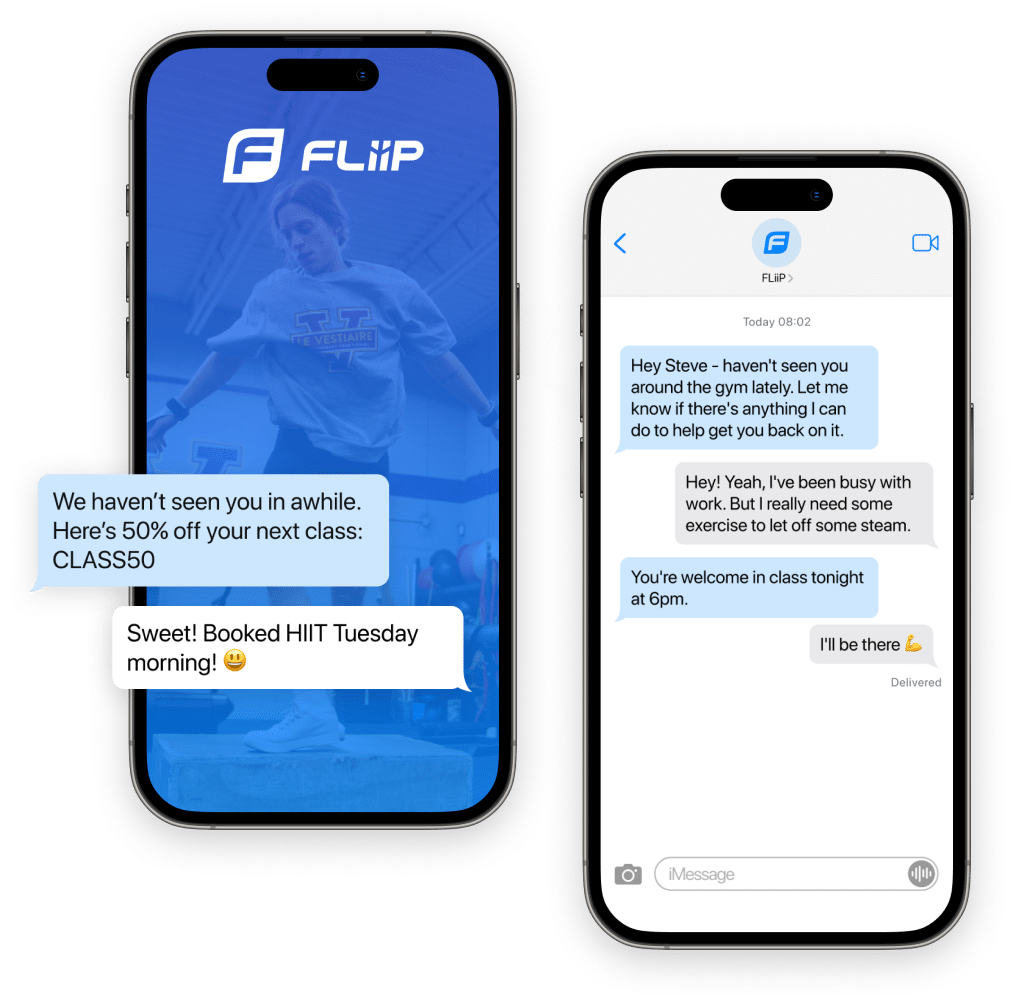
- Personalized emails and SMS: The CRM enables targeted communication based on member data, such as birthday greetings, fitness milestones, or class recommendations.
- Automated notifications: Members receive reminders about appointments, class cancellations, or important announcements, enhancing engagement and reducing missed sessions.
- Social media integration: The CRM integrates with social media platforms to share content, promote events, and encourage community building.
4. Marketing & Sales
- Lead generation & tracking: The CRM captures leads through website forms or social media, tracks their journey, and prioritizes follow-ups for conversion.
- Targeted campaigns: It allows the creation of personalized marketing campaigns based on demographics, interests, or fitness goals, driving engagement and sales.
- Analyzing results & reporting: The CRM provides insights into marketing campaign performance, member engagement, and overall business growth.
5. Analytics & Reporting
- Member behavior & engagement: The CRM tracks member attendance, class participation, and other metrics to understand usage patterns and improve offerings.
- Financial performance & revenue: It generates reports on membership revenue, class sales, and overall business profitability, supporting informed decision-making.
- Customer satisfaction & feedback: The CRM gathers member feedback and reviews, providing valuable data for improving customer service and enhancing the gym experience.
Here are some specific examples of how Gym CRM software can be used:
- A gym owner can track member churn rate and identify the reasons behind it. This information can help them create targeted retention campaigns and improve member satisfaction.
- A fitness instructor can use the CRM to communicate with their clients, schedule appointments, and track their progress. This allows them to personalize training plans and provide better support.
- The gym can use the CRM to send out promotional emails to new leads, offer discounts to existing members, and announce new classes or equipment. This helps to attract new customers, increase revenue, and build brand loyalty.
Overall, gym CRM software helps streamline operations, improve customer engagement, and grow your business effectively.
Is Gym CRM Software a Good Investment for a Gym or Fitness Studio?
Yes, gym CRM software is a very good investment for a gym or fitness studio for a variety of reasons:
Benefits of Gym CRM Software:
Improved Customer Relationships
- Centralized Data: A CRM system collects all client data in one place, including contact information, workout history, goals, preferences, and payment details. This gives you a holistic view of each client.
- Personalized Communication: You can tailor your communication to each client's needs and preferences. This can include automated emails, SMS messages, and personalized offers.
- Increased Engagement: CRM software can help you stay in touch with clients and keep them engaged with your gym. This can include appointment reminders, new class updates, and personalized workout plans.
Streamlined Operations
Enhanced Marketing & Sales
- Targeted Marketing: CRM systems allow you to segment your client base and target your marketing campaigns based on specific demographics, interests, and goals. This can lead to higher conversion rates and better ROI.
- Lead Management: You can track potential clients, nurture their interest, and move them through the sales funnel more effectively.
- Analyze Client Data: CRM software gives you insights into client behavior, allowing you to identify trends and make data-driven decisions about your marketing strategies.
Increased Revenue:
- Higher Retention Rates: By providing excellent customer service and personalized experiences, you can reduce churn and increase customer lifetime value.
- Cross-Selling & Upselling: You can leverage CRM data to offer relevant services or products to your clients, increasing revenue opportunities.
- New Client Acquisition: By tracking lead generation and marketing campaigns, you can identify what works best for your business and optimize your strategies to attract more clients.
Before Investing:
- Consider your needs: Different CRMs offer varying features and price points. Determine what functionalities are essential for your gym or studio.
- Research and compare: Explore different options and read reviews.
- Choose a CRM that integrates with your existing systems: This will make managing your data and operations easier.
Overall, gym CRM software can be a game-changer for your business. It can help you improve customer relationships, streamline operations, enhance marketing efforts, and ultimately increase revenue.
When Buying a Gym CRM Software, What Features Should You Look For?
When choosing gym CRM software, it's crucial to consider features that align with your business goals and cater to your specific needs. Here's a comprehensive breakdown of essential features to look for:
Core Features:
Lead Management
- Lead Capture: Ability to capture leads from various sources like website forms, social media, and referrals.
- Lead Qualification: Tools to assess lead quality (e.g., fitness goals, budget, availability).
- Lead Nurturing: Automated email sequences and follow-up processes to keep leads engaged.
Membership Management
- Membership Plans & Pricing: Flexible options for creating various membership packages with tiered pricing.
- Automated Billing & Payments: Secure integration with payment gateways for seamless online payments and recurring subscriptions.
- Member Retention: Tools to identify at-risk members and personalize communication to encourage retention.
Communication & Engagement
- Email Marketing: Personalized email campaigns to announce promotions, events, and member updates.
- SMS Marketing: Instant communication for reminders, appointment confirmations, and targeted promotions.
- Mobile App Integration: Member-friendly app for booking classes, tracking progress, and accessing gym information.
Scheduling & Class Management
- Online Class Booking: Easy booking system for members to reserve classes and manage their schedules.
- Class Capacity & Waitlist: Manage class size limits and create waitlists for popular sessions.
- Trainer Scheduling: Integrate trainer availability and assign clients to specific instructors.
Reporting & Analytics
- Sales & Revenue Tracking: Monitor membership growth, revenue trends, and profitability.
- Member Activity & Engagement: Analyze member activity, class attendance, and retention rates.
- Marketing Campaign Performance: Track the effectiveness of marketing campaigns and adjust strategies accordingly.
Advanced Features (Consider based on your needs):
- Integration with Other Tools: Connect with popular fitness apps (e.g., Strava, MyFitnessPal), accounting software, and social media platforms.
- Personal Training Management: Track client progress, create customized workout plans, and manage sessions.
- POS (Point of Sale) System: This system manages product inventory, sales transactions, and inventory control for gyms with retail offerings.
- Website Integration: Seamless integration with your gym website for online registration, membership sign-up, and booking.
- Data Security & Privacy: Ensure the CRM platform prioritizes data security with encryption and compliance with relevant regulations.
- Customer Support & Training: Reliable customer support and training resources for using the software effectively.
Tips for Choosing the Right Gym CRM
- Identify your specific needs and priorities.
- Compare features and pricing of various options.
- Read user reviews and testimonials.
- Request a free demo or trial period.
- Consider scalability for future growth.
- Ensure compatibility with your existing technology stack.
Choosing the right Gym CRM software can significantly streamline your operations, boost member engagement, and improve your overall business performance. Certainly, carefully evaluating the features and functionalities will help you select a solution that enables you to achieve your goals and grow your gym business.
What Are the Key Components of a Gym CRM Software?
1. Member Management
- Centralized Database: Store all member information, including contact details, demographics, membership plans, payment history, attendance records, fitness goals, and workout history.
- Membership Management: Manage memberships, billing, renewals, cancellations, and special offers.
- Automated Communication: Send personalized communication to members like welcome emails, birthday wishes, appointment reminders, and newsletters.
- Customizable Member Profiles: Allows for detailed profiles with notes, preferences, and progress tracking.
2. Lead Management
- Lead Capture: Collect lead information from various sources like website forms, social media, referrals, and walk-ins.
- Lead Nurturing: Automate follow-ups, provide valuable content, and nurture leads through the sales funnel.
- Lead Scoring: Rank leads based on their potential to convert into members.
- Lead Assignment: Assign leads to specific sales representatives for personalized interactions.
3. Sales and Marketing
- Campaign Management: Create and manage targeted marketing campaigns for different segments of your audience.
- Email Marketing: Send customized emails to promote new classes, special offers, events, and fitness challenges.
- Social Media Integration: Connect your gym's social media accounts to share updates and promotions.
- Marketing Automation: Automate email sequences, social media posting, and other marketing tasks.
4. Class Scheduling and Management
- Class Scheduling: Create and manage class schedules, including class types, instructors, capacity, and registration.
- Online Booking: Allow members to book classes online, view real-time availability, and manage their schedules.
- Waitlist Management: Manage waiting lists for popular classes and notify members when spots become available.
- Instructor Management: Track instructor availability, schedule classes, and communicate with them.
5. Reporting and Analytics
- Detailed Reports: Track key metrics such as member acquisition, retention, class attendance, revenue, and marketing performance.
- Customizable Dashboards: Monitor progress, identify trends, and gain insights into member engagement.
- Business Intelligence: Analyze data to optimize operations, improve member experience, and drive growth.
6. Integrations
- Payment Gateways: Integrate with popular payment processors for seamless membership payments.
- Website Integrations: Connect the CRM to your gym's website for online bookings, membership sign-ups, and lead capture.
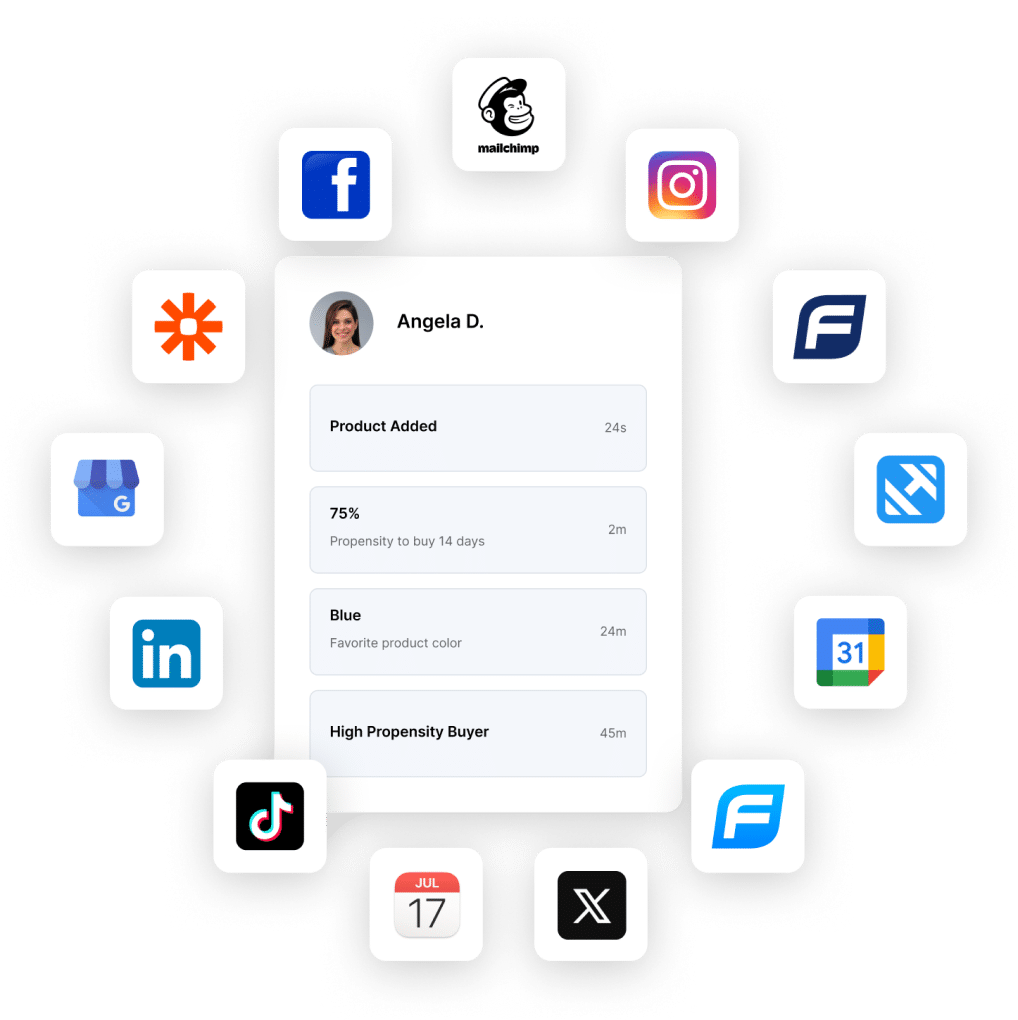
- Marketing Tools: Platforms like Mailchimp enable automated email campaigns to keep members engaged with your latest classes, promotions, and updates.
- Automation Tools: Tools like Zapier can connect your scheduling software to other systems, automating tasks like member communications, appointment reminders, or syncing data between platforms.
- Business Management: Google My Business integration helps manage your gym’s online presence, ensuring class schedules, hours, and updates are reflected in search results and maps.
- Check-in and Access Control: Systems like Passport Technologies streamline member check-ins, provide secure access control, and can be tied to your scheduling and membership management software for a seamless experience.
7. Additional Features
- Personal Training Management: Track personal training sessions, client progress, and payment.
- Equipment Tracking: Manage gym equipment inventory, maintenance schedules, and repair requests.
- Customer Support: Offer live chat, email support, and a knowledge base to answer member questions.
Using gym CRM software with these components, gyms can streamline their operations, improve member engagement, and achieve their business goals.
What Are the Pros and Cons of Gym CRM Software?
Pros of a Gym CRM Software:
For Gym Owners and Managers
- Improved Customer Retention: Track member attendance, engagement, and satisfaction to identify at-risk members and intervene before they cancel.
- Enhanced Communication: Send personalized emails, SMS, and push notifications for reminders, promotions, and updates.
- Automated Marketing: Develop targeted campaigns based on member data to drive sales, promote classes, and increase engagement.
- Streamlined Operations: Automate tasks like scheduling, billing, and membership management, freeing up time for strategic initiatives.
- Data-Driven Insights: Gain valuable insights into member demographics, preferences, and trends to optimize services and marketing efforts.
- Improved Lead Generation: Capture and nurture leads through online forms, social media integration, and website landing pages.
- Increased Revenue: Boost membership sales, class bookings, and other revenue streams through targeted marketing and effective member retention.
For Members
- Personalized Experience: Receive relevant communication and offers tailored to their fitness goals and preferences.
- Convenient Access: Easily manage memberships, schedule appointments, and access fitness trackers.
- Enhanced Motivation: Stay motivated with progress tracking, goal-setting tools, and community engagement features.
- Improved Communication: Stay updated on gym activities, special events, and class schedules through personalized notifications.
Cons of a Gym CRM Software:
- Cost: Gym CRM software can be costly, especially for smaller gyms with limited budgets.
- Implementation: Implementing a CRM system can be time-consuming and require technical expertise.
- Data Security: Ensuring data privacy and security is crucial, especially with sensitive member information.
- Learning Curve: Users may need to invest time and effort to learn the software's features and functionality.
- Integration Challenges: Integrating the CRM with existing systems like accounting software or fitness trackers can be challenging.
- Lack of Personal Touch: Over-reliance on automation may result in a less personal experience for members.
What is the Cost of Gym CRM Software?
Generally, the price varies wildly depending on many factors, including:
- Features: The number and complexity of features, like membership management, scheduling, marketing automation, payment processing, etc., directly impact the price.
- Number of users: The more users you have, the higher the price will be.
- The scale of your gym: A small, independent gym will need a different type of CRM than a large chain.
- Customization: The level of customization you need will also affect the cost.
- Support and training: Some providers offer ongoing support and training, which will increase the cost.
- Subscription plans: Most CRMs use a subscription model with different tiers and pricing options.
Common Pricing Structures:
- Monthly subscription fees: This is the most common model, with fees varying based on the abovementioned factors.
- Per-user pricing: Some CRMs charge per user, which can be a good option if you have a large team.
- One-time purchase: Some CRMs offer a one-time purchase option, but these are often less feature-rich and require more manual setup.
To get accurate pricing information:
- Identify your needs: What features do you absolutely need in a CRM? How many users do you have?
- Research different providers: Check out popular Gym CRM providers like Mindbody, Glofox, GymMaster, and more.
- Contact providers directly: Get personalized quotes from the providers that best fit your needs.
- Compare prices and features: Create a table to compare the different providers' pricing and feature sets.
FLiiP is proudly recognized by Capterra in the Capterra Value Report: A Price Comparison Guide for Gym Management Software. This report highlights the top gym management software products based on user reviews, including each product’s starting price and functionality details.
Conclusion
Gym CRM software offers a powerful tool for managing operations, improving customer engagement, and driving revenue. Before choosing a solution, consider the costs, implementation challenges, and potential downsides. Lastly, the right CRM software should enhance the member experience, streamline operations, and help your gym grow.